US Iran Cargo Ship Seizure: Rising Tensions in a Fragile Ceasefire
The US Iran cargo ship seizure has rapidly escalated tensions in an already volatile Middle East, raising fears of a broader regional conflict. The incident, involving the interception of an Iranian-flagged vessel near the Strait of Hormuz, comes at a critical moment when diplomatic efforts were already hanging by a thread.
As both Washington and Tehran exchange accusations, the situation is evolving into one of the most dangerous flashpoints of 2026.
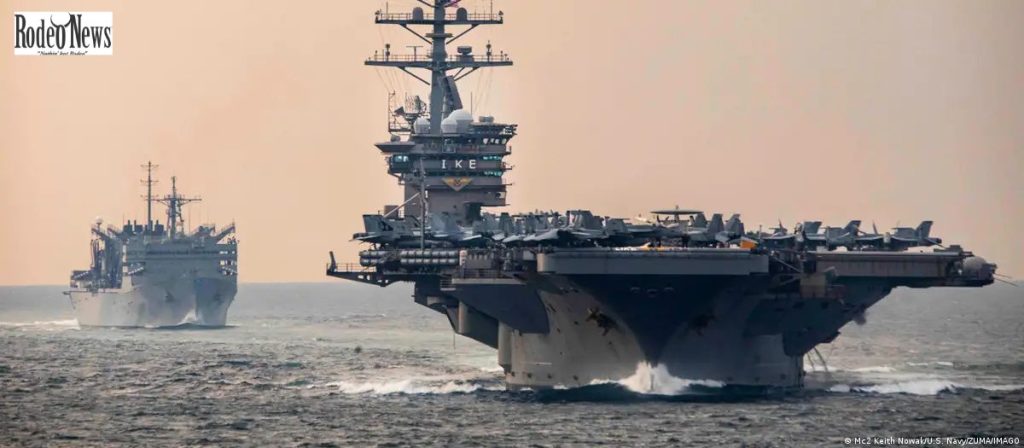
What Happened in the US Iran Cargo Ship Seizure
The US Iran cargo ship seizure occurred when American naval forces intercepted and took control of an Iranian-flagged cargo vessel navigating near the strategically vital Strait of Hormuz.
According to US officials, the vessel was allegedly attempting to bypass restrictions imposed under a naval blockade targeting Iran. Military personnel reportedly boarded the ship after disabling it, securing control without immediate reports of casualties.
However, Iran has strongly rejected the US version of events. Officials in Tehran described the action as an unlawful act of aggression and labeled it “piracy,” signaling that the consequences could be severe.
Why the Strait of Hormuz Matters
The location of the US Iran cargo ship seizure is critical. The Strait of Hormuz is one of the world’s most important energy corridors, with roughly 20% of global oil supply passing through it daily.
Any disruption in this narrow waterway can have immediate global consequences. Following the incident, oil markets reacted sharply, with prices surging amid fears of supply interruptions.
Moreover, the strategic importance of the strait means that even minor military actions can trigger disproportionate geopolitical reactions.
Iran’s Response: Strong Words and Possible Retaliation
Iran’s leadership responded swiftly to the US Iran cargo ship seizure, warning of retaliation. Officials argued that the seizure violates international maritime law and undermines ongoing diplomatic negotiations.
While Iran has not yet taken direct military action, the rhetoric suggests a high probability of escalation. Analysts note that Tehran may respond asymmetrically, potentially targeting shipping routes or regional US interests.
Meanwhile, Iran has hinted that it may withdraw from ongoing peace talks, further complicating efforts to de-escalate the situation.
Impact on Ceasefire Negotiations
The US Iran cargo ship seizure comes at a particularly sensitive time. A temporary ceasefire agreement between the two sides was already under strain, with key issues unresolved.
This latest development threatens to derail negotiations entirely. Diplomats fear that mutual distrust could deepen, making it significantly harder to return to the negotiating table.
Furthermore, international mediators now face increased pressure to prevent a full collapse of diplomatic efforts.
Global Economic Consequences
One of the most immediate effects of the US Iran cargo ship seizure is its impact on global markets. Oil prices have already shown volatility, reflecting investor concerns about supply disruptions.
Higher energy costs could ripple across global economies, affecting transportation, manufacturing, and consumer prices. Countries heavily dependent on imported energy are particularly vulnerable.
In Asia, where energy demand remains high, the consequences could be especially significant. Economists warn that prolonged instability in the region could slow economic growth.
Military Risks and Regional Stability
The US Iran cargo ship seizure also raises serious military concerns. The presence of naval forces from multiple countries in a confined area increases the risk of miscalculation.
Even a minor incident could escalate into a broader confrontation. Military analysts emphasize that both sides are operating under heightened alert, which further increases the danger.
Additionally, regional actors may become involved, either directly or indirectly, amplifying the scope of the conflict.
International Reactions and Diplomatic Pressure
Global reactions to the US Iran cargo ship seizure have been mixed. Some countries have called for restraint and adherence to international law, while others have expressed concern about the precedent set by such actions.
International organizations are urging both sides to de-escalate and resume dialogue. However, achieving consensus on the next steps remains a challenge.
Diplomatic pressure is mounting, but whether it will be enough to prevent further escalation remains uncertain.
What Happens Next?
The future of the US Iran cargo ship seizure crisis depends on several key factors. First, Iran’s next move will be critical. Any form of retaliation could trigger a rapid escalation.
Second, the role of international mediators will be essential in restoring dialogue. Without effective diplomatic intervention, the risk of conflict will continue to grow.
Finally, global economic pressures may influence decision-making on both sides. Rising oil prices and market instability could create incentives for de-escalation.
Conclusion: A Dangerous Turning Point
The US Iran cargo ship seizure represents more than just a single maritime incident. It is a pivotal moment that could shape the trajectory of US-Iran relations and broader Middle East stability.
While there is still a window for diplomacy, that window is narrowing. The coming days will be crucial in determining whether this crisis leads to renewed negotiations or a deeper and more dangerous conflict.
For now, the world watches closely as tensions rise in one of the most strategically important regions on the planet.