Trump AI Meeting Shock: 5 Key Facts Revealed
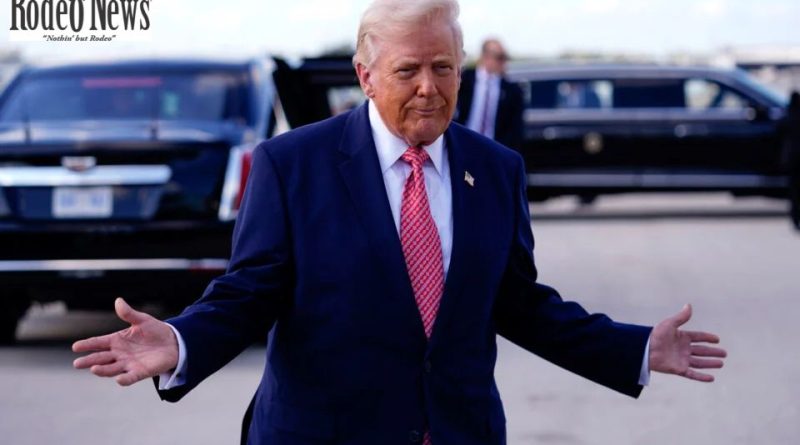
The Trump AI meeting controversy has ignited fresh debate over leadership, artificial intelligence policy, and communication gaps inside the U.S. government. The situation escalated after President Donald Trump appeared unaware of a high-level White House meeting with Anthropic CEO Dario Amodei—responding simply, “Who?” when questioned by reporters.
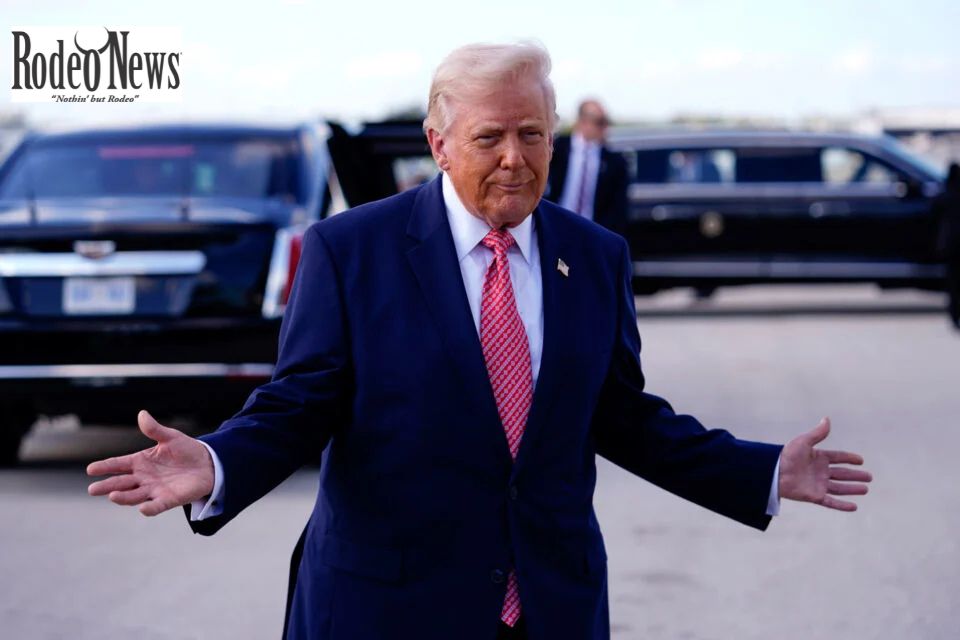
The moment, first highlighted in recent reports, has raised serious questions about coordination within the administration as AI rapidly becomes one of the most critical geopolitical and technological issues of the decade.
What Happened During the Trump AI Meeting Controversy
The controversy stems from a real meeting that took place between Anthropic CEO Dario Amodei and senior White House officials, including Chief of Staff Susie Wiles.
According to multiple reports, the meeting focused on artificial intelligence, cybersecurity risks, and potential collaboration between the U.S. government and private AI companies. Officials described the discussion as “productive and constructive,” signaling a possible shift toward cooperation after months of tension.
However, shortly after the meeting, Trump was asked whether he was aware of it. His response—indicating he had “no idea”—sparked widespread attention and criticism.
This disconnect lies at the heart of the Trump AI meeting controversy.
1. Why the Meeting Was So Important
The meeting was not routine. It came at a critical moment when the U.S. government is racing to understand and regulate advanced AI systems.
Anthropic’s latest model, known as Mythos, has drawn intense scrutiny due to its powerful capabilities. Experts warn it could dramatically improve cybersecurity—but also potentially enable sophisticated cyberattacks.
Government officials are particularly concerned about how such technologies could impact national security, financial systems, and global competition.
In this context, the Trump AI meeting was a high-stakes discussion about the future of AI governance.
2. Ongoing Conflict Between Trump Administration and Anthropic
The background to this meeting is a deep and ongoing conflict.
Earlier in 2026, the Trump administration attempted to block federal agencies from using Anthropic’s AI systems after disputes over military applications. The company had refused to allow its technology to be used for certain controversial purposes, including autonomous weapons and domestic surveillance.
This led to:
- Government restrictions on Anthropic
- Legal challenges from the company
- Broader tensions with the Pentagon
Despite this, both sides have recently shown signs of reconciliation, making the meeting even more significant.
The Trump AI meeting was widely seen as a step toward repairing that relationship.
3. Trump’s “Who?” Response Sparks Criticism
What transformed a routine policy meeting into a headline-grabbing controversy was Trump’s reaction.
When asked about the meeting, Trump reportedly responded with confusion, saying he did not know about it or who Dario Amodei was.
This response has triggered criticism from analysts and commentators who argue that AI is too important for such gaps in awareness.
Observers say the incident highlights:
- Possible communication breakdowns within the administration
- A lack of centralized oversight on AI policy
- Growing complexity in managing emerging technologies
Some experts warn that such disconnects could weaken the U.S. position in the global AI race.
4. The Rising Importance of AI in National Security
Artificial intelligence is no longer just a tech industry issue—it is a national security priority.
Governments around the world are investing heavily in AI capabilities, viewing them as essential for:
- Cyber defense
- Military operations
- Economic competitiveness
The U.S. is particularly focused on staying ahead of rivals like China. This urgency has intensified discussions with companies like Anthropic, which are developing cutting-edge systems.
The Trump AI meeting was part of a broader effort to balance innovation with safety—ensuring powerful tools are used responsibly while maintaining a strategic advantage.
5. What This Means for the Future of AI Policy
The Trump AI meeting controversy may have lasting implications.
First, it underscores the need for clearer coordination between political leadership and technical experts. AI policy is complex, fast-moving, and deeply consequential.
Second, it highlights the growing influence of private companies in shaping national strategy. Firms like Anthropic are not just tech players—they are now central to global security discussions.
Finally, the incident raises questions about leadership readiness in the AI era. As technologies become more advanced, decision-makers must stay informed and engaged.
Broader Context: AI, Power, and Global Competition
The situation also reflects a larger shift in how power is distributed.
Traditionally, governments led technological development. Today, private companies often move faster, creating tools that governments must then regulate or adopt.
Anthropic’s Mythos model is a clear example. Its ability to identify vulnerabilities in software systems could transform cybersecurity—but also introduce new risks if misused.
This dual-use nature of AI makes policymaking especially difficult.
Internal vs External Pressures on the White House
The Trump AI meeting controversy also reveals competing pressures inside the administration.
On one hand, there is a push to collaborate with leading AI firms to maintain U.S. dominance. On the other, there are concerns about safety, ethics, and control—especially when companies resist government demands.
This tension has played out in disputes with Anthropic, particularly over military use of AI.
The recent meeting suggests a possible shift toward compromise—but the president’s apparent lack of awareness complicates that narrative.
Expert Reactions and Industry Concerns
Industry experts have responded with a mix of concern and caution.
Some argue that Trump’s reaction reflects a broader issue: the gap between political leadership and highly technical subjects like AI.
Others point out that such moments can undermine confidence in policymaking, especially when dealing with technologies that evolve rapidly.
At the same time, some analysts note that internal delegation is common in large governments—and that meetings like this are often handled by senior staff rather than the president directly.
Still, the optics of the situation have fueled ongoing debate.
Conclusion: A Defining Moment in AI Governance
The Trump AI meeting controversy may seem like a brief political moment, but it carries deeper significance.
It highlights:
- The urgency of AI policy
- The complexity of government-tech relationships
- The importance of informed leadership
As artificial intelligence continues to reshape industries and global power structures, moments like this will become increasingly consequential.
The key question moving forward is whether governments can adapt quickly enough to keep pace with innovation—while maintaining oversight, accountability, and strategic clarity.
For now, the Trump AI meeting serves as a striking example of how even a single response—“Who?”—can spark a global conversation about the future of technology and leadership.