Iran Hormuz Crisis Intensifies as Trump Weighs Bold Moves
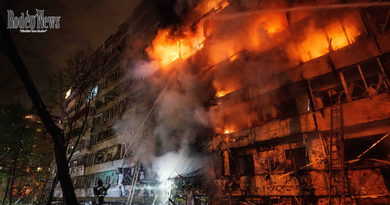
The Iran Hormuz crisis is entering a critical phase as the Trump administration considers aggressive strategies to reopen one of the world’s most important oil transit routes. The Strait of Hormuz, a narrow waterway vital to global energy supply, has become the focal point of rising geopolitical tension.
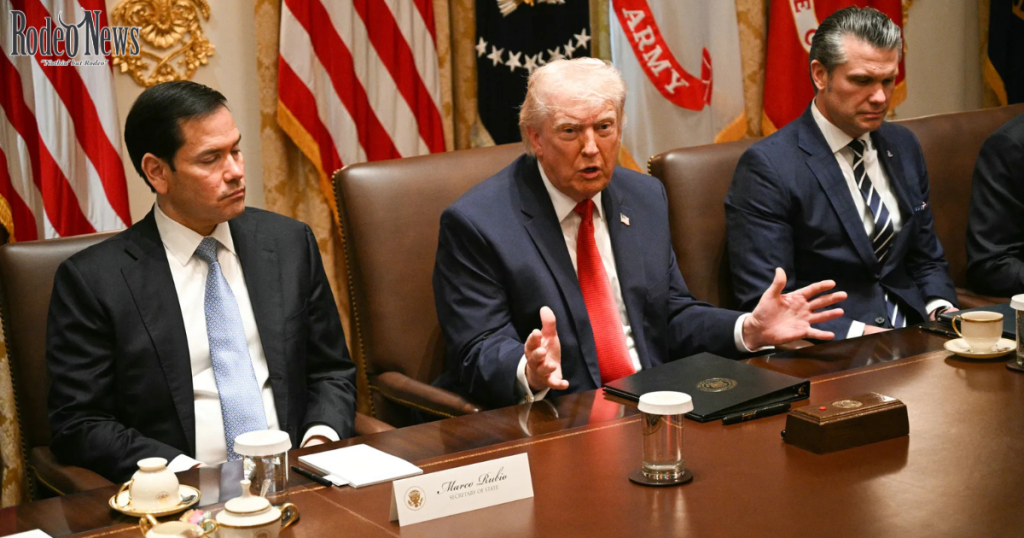
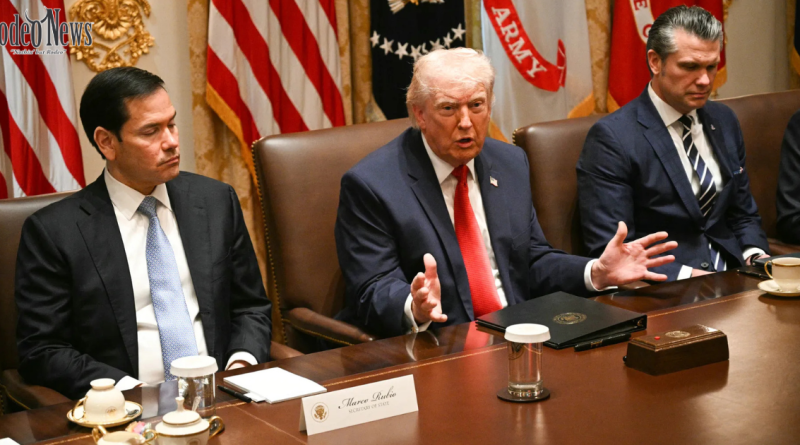
According to reports, the White House is evaluating several high-risk options, including direct military action targeting key Iranian infrastructure. These deliberations highlight the growing urgency to restore shipping flows and stabilize global markets.
🛢️ Why the Strait of Hormuz Matters So MuchThe Strait of Hormuz is not just another shipping lane—it is a global economic lifeline.
- Around 25% of the world’s oil trade passes through it
- It also carries roughly 20% of liquefied natural gas shipments
- Any disruption can trigger worldwide price spikes and economic instability
As tensions escalate, shipping activity has slowed dramatically, raising concerns about supply shortages and rising fuel costs.
⚠️ Trump’s High-Stakes Options on the Table
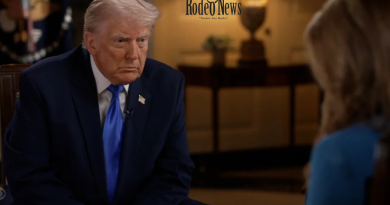
At the center of the Iran Hormuz crisis is a series of bold—and risky—options being considered by Donald Trump and his advisers.
1. Seizing or Blockading Kharg Island
One of the most striking proposals involves targeting Kharg Island, a critical hub for Iran’s oil exports.
- The island handles about 90% of Iran’s crude exports
- U.S. officials believe controlling it could pressure Iran economically
- However, success is far from guaranteed
Sources indicate the administration is considering occupation or blockade scenarios to force Iran into reopening the strait.
2. Military Ultimatums
Trump has also issued direct warnings to Iran:
- A 48-hour ultimatum to reopen the strait
- Threats to strike critical infrastructure if demands are not met
This aggressive posture signals a willingness to escalate if diplomatic efforts fail.
3. Building an International Coalition
Another approach involves assembling a coalition of allied nations to secure the waterway.
- Several countries have expressed support in principle
- However, commitments remain limited
- Military participation is still uncertain
This highlights the difficulty of coordinating a unified global response.
🧠 Strategic Dilemma: Escalation vs Exit
Despite the tough rhetoric, the administration is also exploring ways to de-escalate the conflict.
Trump has suggested he may consider “winding down” the war, even if the Strait of Hormuz issue remains unresolved.
At the same time:
- Officials are discussing potential peace talks with Iran
- Advisors are laying groundwork for future diplomacy
This dual-track strategy reflects the complexity of the situation—balancing military pressure with diplomatic options.
🔥 Risks of Military Action
While aggressive strategies may offer leverage, they come with significant risks.
🚨 Regional Escalation
Any direct attack on Iranian assets could trigger:
- Retaliatory missile strikes
- Attacks on U.S. bases and allies
- Wider regional conflict
⚡ Threats to Global Energy Supply
If tensions escalate further:
- Oil prices could surge dramatically
- Supply chains could be disrupted
- Inflation could rise globally
Markets have already shown extreme sensitivity to developments in the region.
🪖 Military Vulnerability
Operations such as seizing Kharg Island would expose U.S. forces to:
- Drone attacks
- Missile strikes
- Logistical challenges in confined spaces
This makes any ground operation highly risky.
📊 Economic Shockwaves Already Emerging
The Iran Hormuz crisis is not just a geopolitical issue—it is already impacting the global economy.
- Oil prices have surged during peak tensions
- Shipping routes have been disrupted
- Countries dependent on imports are feeling pressure
In some regions, fuel prices have risen sharply, forcing governments to intervene and stabilize domestic markets.
🌐 Global Reactions and Pressure
International responses to the crisis have been mixed:
🇪🇺 Europe
European nations are concerned about energy security but remain cautious about military involvement.
🇯🇵 Asia
Major importers like Japan are pushing for stability, given their reliance on Middle Eastern oil.
🌍 Global South
Developing countries face the greatest risk, as rising energy costs strain already fragile economies.
❗ Why This Crisis Is Different
The current Iran Hormuz crisis stands out for several reasons:
1. Scale of Economic Impact
Few geopolitical flashpoints have such a direct impact on global energy supply.
2. Speed of Escalation
Events have unfolded rapidly, with military, diplomatic, and economic developments happening simultaneously.
3. Strategic Complexity
The U.S. must balance:
- Military objectives
- Economic stability
- Diplomatic relations
This makes decision-making especially challenging.
🔮 What Happens Next?
The next phase of the crisis will depend on several key factors:
🔍 Iran’s Response
Will Iran reopen the strait under pressure, or escalate further?
🏛️ U.S. Decision-Making
Will the U.S. pursue military action, or shift toward diplomacy?
📉 Market Reactions
Oil prices and stock markets will continue to act as real-time indicators of risk.
🌐 International Involvement
Will allies step up, or remain on the sidelines?
🔗 External Reference
👉 https://www.axios.com/2026/04/18/iran-trump-white-house-hormuz
🔗 Internal Link Example
👉 Read more global crisis analysis on yourwebsite.com/geopolitics
🧾 Conclusion: A Defining Moment for Global Stability
The Iran Hormuz crisis represents one of the most consequential geopolitical challenges of the moment. With global energy supply at stake, decisions made in the coming days could shape markets, economies, and international relations for years to come.
While the Trump administration explores bold strategies, the risks remain high. Military action could bring quick results—or trigger wider conflict. Diplomacy offers a safer path but may take longer to achieve meaningful outcomes.
For now, the world is watching closely as one of the most critical chokepoints in global trade becomes the center of a high-stakes geopolitical showdown.