Measles Hospitalization Oregon: First Case Signals Growing Crisis
Oregon has reported its first measles hospitalization of 2026, marking a concerning milestone as the number of infections continues to rise across the state. Health officials confirm that at least 20 measles cases have been identified so far this year, raising alarms about a potential wider outbreak and renewed public health risks.
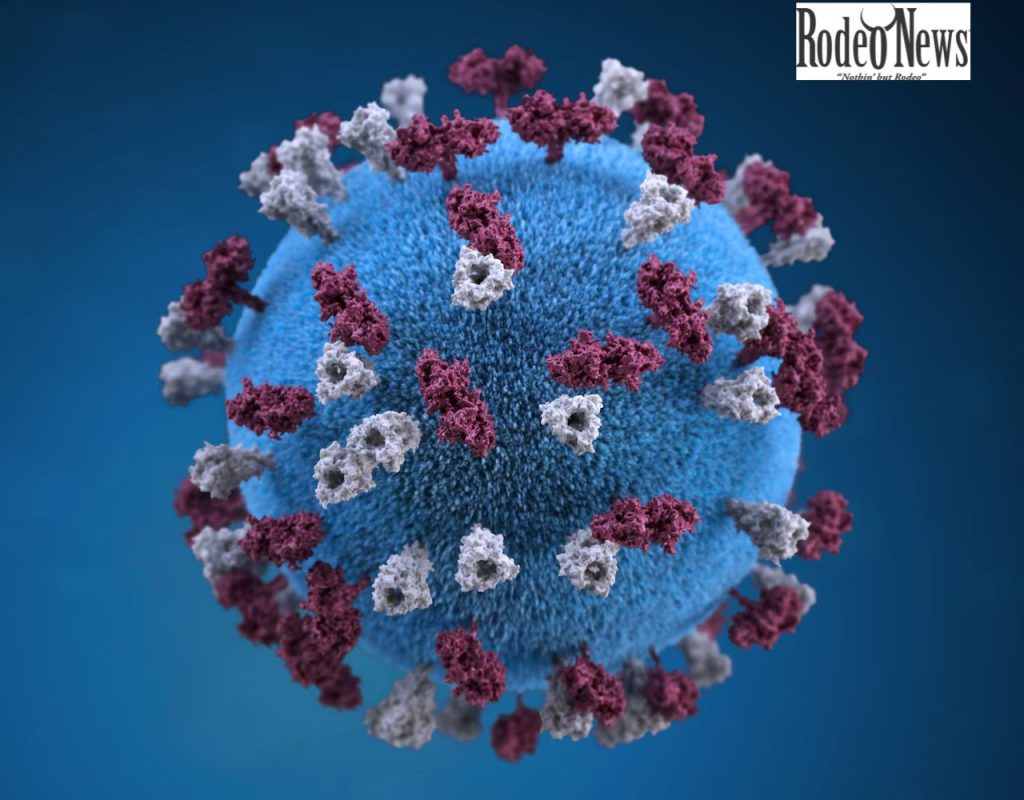
The development underscores growing concerns among epidemiologists that measles—once considered eliminated in the United States—may be making a troubling comeback. The situation in Oregon reflects a broader national trend, with measles cases increasing sharply in multiple states.
First Hospitalization Raises Urgency
The first confirmed measles hospitalization in Oregon involved a patient who has since been discharged and is recovering. While the individual’s condition improved, health authorities stress that the hospitalization itself is a warning sign.
Medical experts note that measles is not a harmless childhood illness. It can lead to severe complications, especially in vulnerable populations such as young children, pregnant individuals, and those with weakened immune systems.
According to health officials, hospitalization often occurs when complications like pneumonia or dehydration arise. In rare but serious cases, measles can also cause brain inflammation, which can be life-threatening.
Cases Climb to 20—and Likely Higher
As of mid-April 2026, Oregon has confirmed 20 measles cases, though experts believe the real number may be significantly higher.
Officials warn that many infections go unreported because some individuals do not seek medical care, allowing the virus to spread silently within communities. This underreporting complicates containment efforts and increases the likelihood of further transmission.
Evidence of community spread has already been observed, particularly in Multnomah and Clackamas counties, where multiple exposure sites have been identified. These include schools, healthcare facilities, and public venues—locations where the virus can spread rapidly.
Why Measles Spreads So Easily
Measles is widely recognized as one of the most contagious diseases in the world. The virus spreads through respiratory droplets and can linger in the air for up to two hours after an infected person leaves an area.
Public health experts emphasize that up to 90% of unvaccinated individuals exposed to measles may become infected.
This high transmission rate makes outbreaks particularly difficult to control, especially in communities with lower vaccination coverage.
Vaccination Rates Under Scrutiny
One of the key factors driving the outbreak is declining vaccination rates. In Oregon, approximately 6% of kindergarteners have exemptions from the measles vaccine, leaving thousands of children unprotected.
Health officials say these gaps in immunity create pockets where the virus can spread quickly. Schools, in particular, have become hotspots for transmission due to close contact among students.
The measles, mumps, and rubella (MMR) vaccine remains highly effective. A single dose provides strong protection, while two doses offer nearly complete immunity.
Despite this, vaccine hesitancy continues to challenge public health efforts.
Exposure Sites Expand Across Communities
In recent weeks, multiple exposure locations have been identified across Oregon, including:
- A middle school
- A community college
- An urgent care facility
These sites highlight how quickly measles can move through everyday environments. Once introduced, the virus can spread before symptoms even become obvious.
Health authorities are urging anyone who may have been exposed to monitor for symptoms and seek medical advice promptly.
Symptoms and Risks to Watch
Measles typically begins with flu-like symptoms, including:
- High fever
- Cough
- Runny nose
- Red, watery eyes
Within a few days, a distinctive rash appears, starting on the face and spreading downward.
Complications occur in about 30% of reported cases, ranging from ear infections to severe respiratory issues.
Young children are particularly at risk. Studies show that 1 in 20 children with measles develops pneumonia, one of the leading causes of measles-related deaths globally.
National Surge Adds to Concern
The situation in Oregon is part of a larger national surge. In 2026 alone, the United States has reported over 1,700 confirmed measles cases across 30+ states.
Public health experts warn that the country is on track to exceed previous years’ totals, reversing decades of progress in controlling the disease.
The resurgence is largely attributed to declining vaccination rates and increased international travel, which can reintroduce the virus into communities.
Schools at the Center of Transmission
Schools have emerged as critical points of concern in the Oregon outbreak. When an unvaccinated student is exposed to measles, they are typically required to stay home for several weeks to prevent further spread.
Repeated exposures can disrupt education and social development, creating ripple effects for families and communities.
Health officials caution that without stronger vaccination coverage, outbreaks in schools may become more frequent.
No Cure—Only Prevention
Unlike some viral infections, measles has no specific antiviral treatment. Doctors can only provide supportive care to manage symptoms and prevent complications.
This makes prevention through vaccination essential.
Experts stress that even a single vaccine dose can significantly reduce the risk of infection and transmission. Achieving high vaccination coverage—typically above 95%—is key to maintaining herd immunity.
Public Health Response Intensifies
In response to the rising cases, Oregon health officials are:
- Increasing public awareness campaigns
- Expanding contact tracing efforts
- Urging vaccination for unprotected individuals
- Monitoring wastewater for early signs of spread
Officials are also encouraging those who choose not to vaccinate to take extra precautions, such as isolating when sick and notifying healthcare providers before visiting clinics.
A Wake-Up Call for Communities
The first measles hospitalization in Oregon serves as a stark reminder that the disease remains a serious threat. While the majority of residents are protected through vaccination, even small gaps in coverage can lead to significant outbreaks.
Health experts emphasize that the current situation is still manageable—but only with swift action.
“Prevention is absolutely critical,” one medical expert noted, highlighting the importance of vaccination in stopping the virus before it spreads further.
What Happens Next?
Looking ahead, the trajectory of the outbreak will depend largely on public response. Increased vaccination rates, early detection, and community cooperation will play crucial roles in containing the virus.
Without these measures, experts warn that Oregon could see:
- More hospitalizations
- Larger outbreaks
- Increased strain on healthcare systems
For now, the message from health officials is clear: measles is preventable, but only if communities act quickly and decisively.
Conclusion
The rise in cases and the first measles hospitalization in Oregon highlight a growing public health challenge that cannot be ignored. With 20 confirmed cases and signs of wider transmission, the state faces a critical moment.
Vaccination remains the most effective defense. As officials work to contain the outbreak, the responsibility also falls on individuals and communities to take preventive measures seriously.
The coming weeks will determine whether Oregon can curb the spread—or face a more severe resurgence of a disease once thought to be under control.