Nexstar Tegna Merger Halted: What Happened and Why It Matters
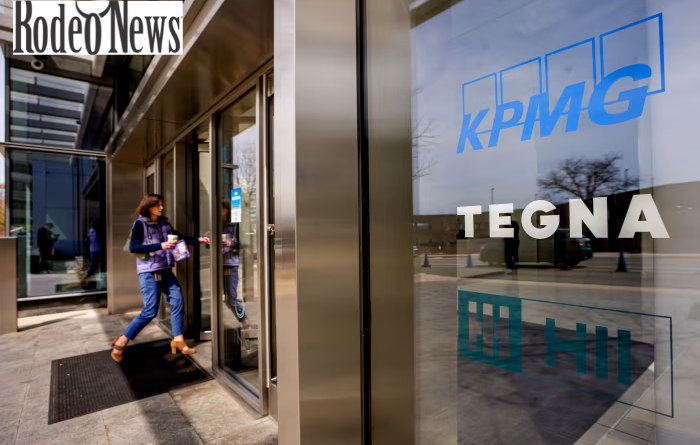
The Nexstar Tegna merger halted by a U.S. federal judge has sent shockwaves through the American media industry, raising serious questions about competition, consumer costs, and the future of local journalism.
In a landmark decision, U.S. District Judge Troy Nunley issued a preliminary injunction stopping the $6.2 billion merger between Nexstar Media Group and Tegna. The ruling came after a coalition of eight states and satellite provider DirecTV challenged the deal on antitrust grounds.
This unexpected development not only disrupts one of the largest media consolidations in recent years but also signals a broader shift in how courts may approach future mergers in the broadcasting industry.
Why the Nexstar Tegna Merger Was Halted
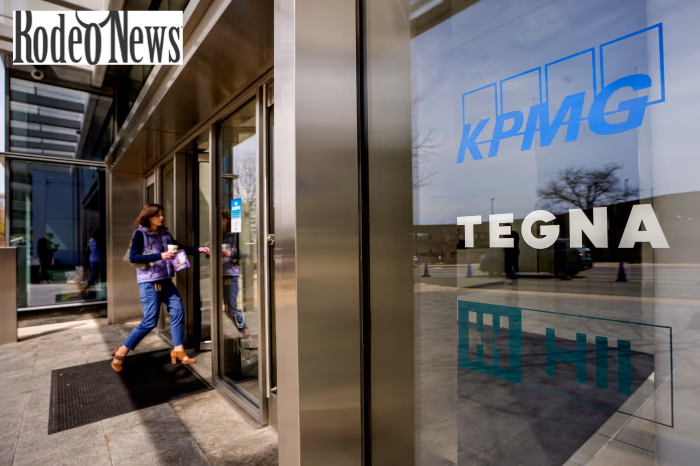
At the center of the case is a critical concern: market dominance and reduced competition.
Judge Nunley concluded that the merger is likely to violate U.S. antitrust laws, particularly the Clayton Act, which prohibits deals that could substantially lessen competition.
If completed, the combined entity would have controlled hundreds of television stations across the United States, reaching a significant portion of American households. Critics argued that such dominance could lead to:
- Higher pay-TV subscription costs
- Reduced competition in local markets
- Declining quality of local news coverage
The court agreed that these risks were substantial enough to justify halting the merger—at least temporarily.
A Deal Already Completed—but Now Frozen
Interestingly, the merger had already been finalized prior to the ruling. However, the court’s injunction forces both companies to operate separately while the legal battle continues.
This means:
- Tegna must remain an independent company
- Nexstar cannot integrate operations
- Strategic synergies from the merger are effectively paused
The injunction is set to take effect shortly, ensuring that Tegna continues functioning as a viable competitor in the marketplace.
The Role of States and DirecTV
The lawsuit against the merger was led by a coalition of eight U.S. states, including California, New York, and Colorado, alongside DirecTV.
Their argument was straightforward: the merger would create excessive concentration in local television markets, harming both consumers and the media landscape.
DirecTV, in particular, warned that a larger Nexstar could demand higher retransmission fees—costs that would likely be passed on to consumers.
Meanwhile, state attorneys general emphasized the broader societal impact, arguing that fewer independent newsrooms could weaken local journalism and reduce diverse viewpoints.
Regulatory Approval vs Judicial Intervention
One of the most controversial aspects of the case is that the merger had already received approval from federal regulators, including the Federal Communications Commission (FCC) and the Department of Justice.
However, Judge Nunley’s ruling effectively challenges that approval.
The court suggested that regulatory clearance does not override antitrust concerns raised in court. This creates a rare situation where judicial authority supersedes prior regulatory decisions.
The FCC had even granted a waiver allowing Nexstar to exceed the typical ownership cap of 39% of U.S. television households—a move that drew criticism from lawmakers and industry observers.