Meloni vs Trump: Shocking Iran War Rift Explained
The Meloni vs Trump political rift has emerged as one of the most surprising geopolitical developments of 2026, signaling a major shift in transatlantic alliances. Once considered close ideological allies, Italian Prime Minister Giorgia Meloni and U.S. President Donald Trump are now openly clashing over the escalating Iran war and a controversial dispute involving Pope Leo XIV.
This growing divide is not just a personal disagreement—it reflects deeper fractures in Western unity, rising domestic pressures, and conflicting visions of global leadership.
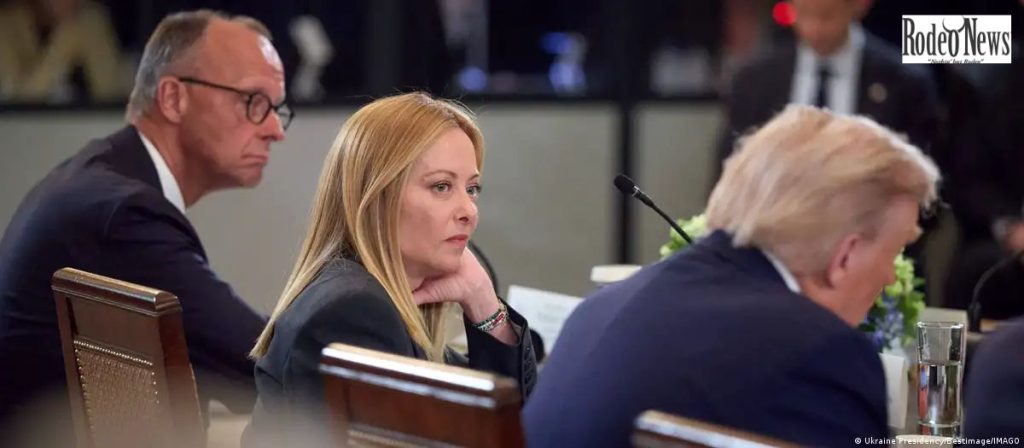
A Once-Strong Alliance Begins to Crack
For years, Meloni and Trump shared political alignment rooted in nationalism, conservative values, and skepticism toward global institutions. Meloni was widely viewed as one of Trump’s strongest European allies.
However, that relationship has dramatically deteriorated.
The turning point came as tensions escalated in the Middle East, particularly surrounding the 2026 Iran conflict. Trump pushed for aggressive military measures, while Meloni began signaling hesitation.
According to reports, Meloni refused to fully support U.S.-led military actions and even distanced Italy from certain defense commitments.
This marked a sharp departure from her previous alignment with Washington.
The Iran War: A Major Breaking Point
At the core of the Meloni vs Trump conflict is a fundamental disagreement over the Iran war.
Trump has taken a hardline stance, framing the conflict as necessary to counter nuclear threats and regional instability. His administration has pressured allies to support military operations and strategic blockades.
Meloni, however, has adopted a more cautious approach.
Italy has refrained from deeper military involvement, reflecting both strategic concerns and domestic pressure. Rising energy prices and economic uncertainty—linked to disruptions like tensions in the Strait of Hormuz—have made the war unpopular among Italian voters.
As a result, Meloni has prioritized stability and diplomatic balance over direct military alignment.
Trump responded harshly, publicly accusing Meloni of lacking “courage” and failing to support Western security interests.
This public criticism further deepened the divide.
The Pope Controversy: A Political Flashpoint
If the Iran war created tension, the conflict involving Pope Leo XIV ignited it.
The pope has been a vocal critic of the war, emphasizing peace, humanitarian concerns, and the moral consequences of military escalation.
Trump, however, responded aggressively.
He criticized the pope, calling him “weak on crime” and dismissing his stance on global conflicts. In a move that sparked widespread outrage, Trump also shared controversial imagery portraying himself in religious terms.
Meloni’s reaction was swift and unusually direct.
She condemned Trump’s remarks as “unacceptable,” defending the pope’s authority and moral position.
In a deeply Catholic country like Italy, this was more than symbolic—it was politically essential.
Why the Pope Issue Matters So Much in Italy
To understand the Meloni vs Trump rift, it’s crucial to recognize the importance of the Catholic Church in Italian society.
Italy is home to Vatican City and has long-standing cultural, political, and religious ties to the papacy. Any perceived attack on the pope resonates strongly with the public.
Meloni, as Italy’s leader, faced immediate pressure to respond.
Failing to defend the pope could have damaged her credibility domestically. Supporting him, however, meant directly confronting Trump.
She chose the latter.
This decision highlights how domestic politics can shape international diplomacy in unexpected ways.
Domestic Pressure and Political Survival
Meloni’s shift is not happening in a vacuum.
Polls indicate that a significant portion of the Italian public views Trump negatively and is wary of involvement in foreign wars.
At the same time, economic concerns are mounting:
- Rising fuel costs
- Trade disruptions
- Energy insecurity
These issues are directly linked to the Iran conflict and broader geopolitical instability.
Meloni is also facing internal political challenges, including electoral setbacks and criticism from opposition parties.
In this context, distancing herself from Trump may be as much about political survival as foreign policy.
A Wider European Shift Away from Trump
The Meloni vs Trump fallout is part of a broader trend across Europe.
Several right-wing and populist leaders who once supported Trump are now reconsidering their positions. The reasons include:
- Concerns over aggressive U.S. foreign policy
- Economic fallout from global instability
- Political backlash from voters
Trump’s popularity has declined significantly across Europe, with many citizens viewing his leadership negatively.
This shift is forcing European leaders to recalibrate their alliances.
Meloni’s move may be one of the most visible examples of this broader realignment.
The Unusual Nature of the Conflict
What makes this situation particularly unique is the intersection of politics, religion, and war.
Conflicts between political leaders are common. Disputes between governments and religious authorities also occur.
But a three-way clash involving:
- A U.S. president
- A European prime minister
- The pope
is highly unusual.
Analysts describe the ongoing tensions between the U.S. and the Vatican as one of the most unprecedented modern diplomatic rifts.
This adds another layer of complexity to an already volatile situation.
Strategic Implications for Global Politics
The consequences of the Meloni vs Trump divide could be far-reaching.
1. Weakening of Western Unity
Disagreements among allies may reduce coordination on global security issues.
2. NATO Tensions
Trump has already criticized several allies for not fully supporting military efforts, raising concerns about alliance cohesion.
3. Shift Toward Independent European Policy
European nations may pursue more independent foreign policies rather than aligning closely with Washington.
4. Increased Role of Public Opinion
Domestic voters are playing a larger role in shaping international decisions, particularly in democratic countries.
Is This a Permanent Break?
Despite the sharp rhetoric, it may be premature to call this a complete break.
Meloni has not fully severed ties with Trump or the United States. Italy remains a key NATO member and continues to cooperate with Western allies.
However, the relationship has clearly changed.
Rather than unconditional alignment, Meloni is drawing boundaries—particularly on issues involving:
- Religious authority
- Military intervention
- Domestic political risk
This suggests a more pragmatic and flexible approach moving forward.
Conclusion: A Defining Moment in Global Politics
The Meloni vs Trump conflict represents more than a diplomatic disagreement—it marks a turning point in global politics.
It highlights:
- The limits of ideological alliances
- The power of domestic pressure
- The growing complexity of modern geopolitics
As the Iran war continues and tensions evolve, the relationship between these two leaders will remain a key indicator of broader shifts in the international order.
Whether this rift deepens or stabilizes, one thing is clear:
the era of automatic alignment between the U.S. and its European allies is no longer guaranteed.