Sub-1nm Chips Revealed: Apple’s 2029 Breakthrough
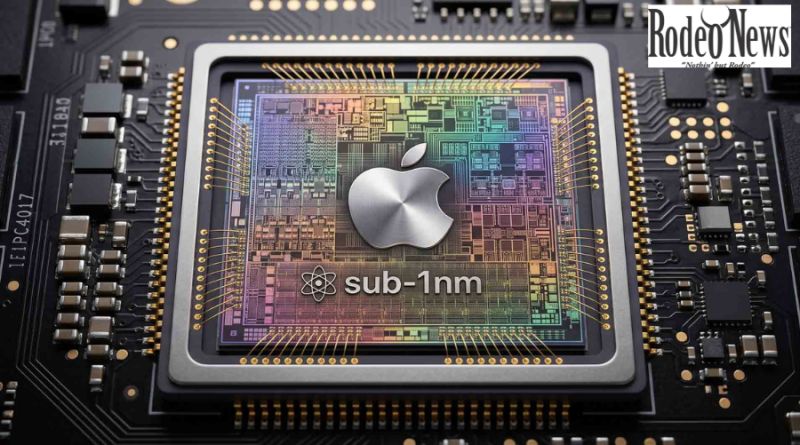
The global semiconductor race is entering a new era as sub-1nm chips move from theory to reality. According to recent industry reports, Taiwan Semiconductor Manufacturing Company (TSMC) is preparing to begin trial production of these ultra-advanced processors by 2029, with Apple expected to be one of the first adopters.
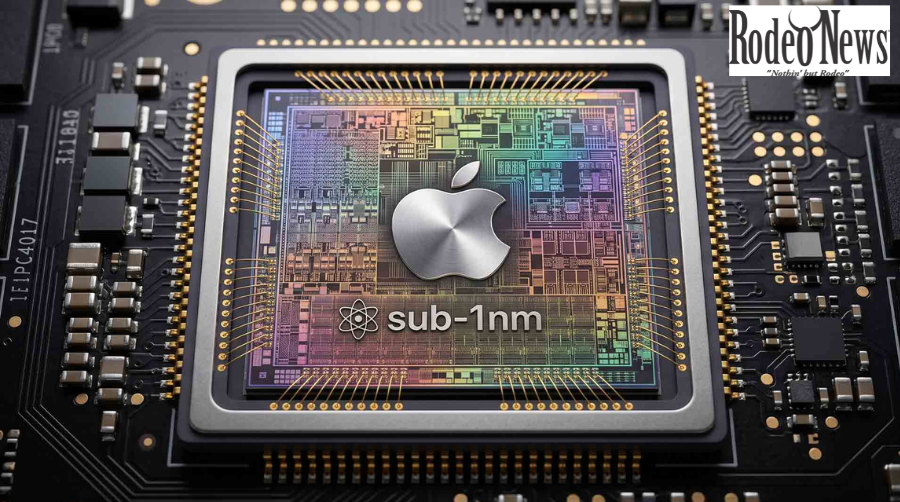
This development signals a major leap forward in computing power, efficiency, and miniaturization—one that could reshape everything from smartphones to artificial intelligence systems over the next decade.
The Roadmap to Sub-1nm Chips
The journey toward sub-1nm chips is not happening overnight. Instead, it is part of a carefully structured roadmap led by TSMC, the world’s largest contract chipmaker.
From 2nm to Sub-1nm
- 2nm chips: Expected to power next-generation devices like future iPhones in the near term
- 1.6nm and 1.4nm nodes: Scheduled for development and mass production between 2026 and 2028
- Sub-1nm chips: Trial production targeted for 2029
The 1.4nm process, also known as A14, is expected to deliver up to a 30% improvement in both performance and energy efficiency compared to previous nodes.
Once that milestone is achieved, TSMC will push even further into the sub-1nm territory, marking one of the most ambitious engineering challenges in semiconductor history.
What “Sub-1nm Chips” Really Mean
Despite the name, sub-1nm chips are not literally built with features smaller than one nanometer. In modern chipmaking, the “nanometer” label is more of a marketing and generational indicator rather than a precise physical measurement.
What truly matters is:
- Higher transistor density
- Improved energy efficiency
- Faster processing speeds
In simple terms, smaller nodes allow engineers to pack more computing power into a smaller space, enabling devices to run faster while consuming less power.
Why Apple Is Central to This Breakthrough
Apple has long been TSMC’s most important customer, relying exclusively on the company for its custom-designed chips used in iPhones, iPads, and Macs.
Strategic Partnership
This deep partnership gives Apple a critical advantage:
- Early access to cutting-edge chip technology
- Ability to optimize hardware and software together
- Consistent performance leadership over competitors
Because of this relationship, Apple is widely expected to be among the first companies to adopt sub-1nm chips, continuing its tradition of leading mobile chip innovation.
The Power of Sub-1nm Chips in Future Devices
When sub-1nm chips eventually reach consumer devices, the impact could be transformative.
1. Massive Performance Gains
Future devices could see significant improvements in:
- Processing speed
- Graphics performance
- AI capabilities
This could enable real-time AI processing directly on smartphones, reducing reliance on cloud computing.
2. Better Battery Life
Smaller, more efficient chips consume less energy, meaning:
- Longer battery life for smartphones
- Reduced heat generation
- More sustainable device usage
3. Advanced AI and Machine Learning
The rise of artificial intelligence is one of the main drivers behind this push. Sub-1nm chips could power:
- Advanced on-device AI assistants
- Real-time language translation
- Complex image and video processing
The Challenges Ahead
While the promise of sub-1nm chips is exciting, the path forward is filled with obstacles.
Manufacturing Complexity
Producing chips at such a microscopic scale is extremely difficult. Even current 2nm processes face challenges with:
- Yield rates (how many usable chips are produced)
- Production costs
- Technical limitations
Industry reports suggest that yield issues could delay widespread adoption, especially for early production runs.
Rising Costs
Advanced chip manufacturing requires:
- Multi-billion-dollar facilities
- Cutting-edge equipment
- Extensive research and development
As a result, early sub-1nm chips will likely appear only in premium devices due to their high cost.
The Role of AI Demand
The push toward sub-1nm chips is not just about smartphones—it is also driven by the explosive demand for AI computing.
TSMC is already struggling to meet demand for advanced chips used in:
- Data centers
- AI training systems
- High-performance computing
This demand is accelerating innovation and forcing companies to move faster toward smaller and more powerful chip designs.
What This Means for the Smartphone Industry
The arrival of sub-1nm chips could reshape the competitive landscape.
Premium Devices Will Lead First
Initially, only flagship devices—such as high-end iPhones—will feature these chips due to cost and limited supply.
Wider Gap Between Devices
A growing divide may emerge between:
- Ultra-premium devices with cutting-edge chips
- Mid-range devices using older technology
This trend is already visible with current chip generations and is likely to intensify.
Timeline: When Will Consumers See Sub-1nm Chips?
Although 2029 is the target for trial production, consumers should temper expectations.
Expected Timeline
- 2029: Trial production begins
- 2030–2031: Possible early adoption in flagship devices
- Beyond 2031: Wider availability
In other words, sub-1nm chips are still several years away from becoming mainstream.
The Bigger Picture: The Future of Computing
The development of sub-1nm chips represents more than just a technical milestone—it reflects the broader evolution of computing.
Moore’s Law Is Slowing—but Not Dead
While traditional scaling is becoming harder, innovations like:
- New transistor architectures
- Advanced materials
- AI-driven design
are keeping progress alive.
Entering the Angstrom Era
The move below 1nm is often referred to as entering the “angstrom era,” a new phase of chipmaking that pushes the limits of physics and engineering.
Conclusion
The race toward sub-1nm chips marks one of the most ambitious chapters in semiconductor history. With TSMC targeting trial production in 2029 and Apple likely leading adoption, the next decade could bring unprecedented advances in performance, efficiency, and AI capabilities.
However, significant challenges remain, from manufacturing complexity to rising costs. While consumers may need to wait until the early 2030s to see these chips in everyday devices, the groundwork being laid today will define the future of technology.
In the end, sub-1nm chips are not just about smaller numbers—they represent a bold step toward a faster, smarter, and more connected world.