Strait of Hormuz Crisis: Global Tensions Reach a Dangerous Turning Point
The Strait of Hormuz crisis has rapidly evolved into one of the most dangerous geopolitical flashpoints of 2026, with the United States and Iran locked in a high-stakes confrontation that threatens global energy supply, financial stability, and regional peace.
The narrow waterway, which connects the Persian Gulf to global markets, has become the center of escalating military actions, economic pressure, and strategic maneuvering. As tensions intensify, analysts warn that the situation could spiral into a broader conflict with far-reaching consequences.
Why the Strait of Hormuz Crisis Matters
The Strait of Hormuz is not just another shipping lane—it is one of the most critical chokepoints in the global economy. Roughly 20% of the world’s oil supply passes through this route, making it essential for energy security worldwide.
However, since the outbreak of conflict between the United States and Iran in early 2026, traffic through the strait has collapsed dramatically. Shipping activity has dropped by more than 90%, severely disrupting oil flows and triggering widespread uncertainty in global markets.
As a result, the Strait of Hormuz crisis is no longer a regional issue—it is a global economic threat.
The US Blockade Strategy Explained
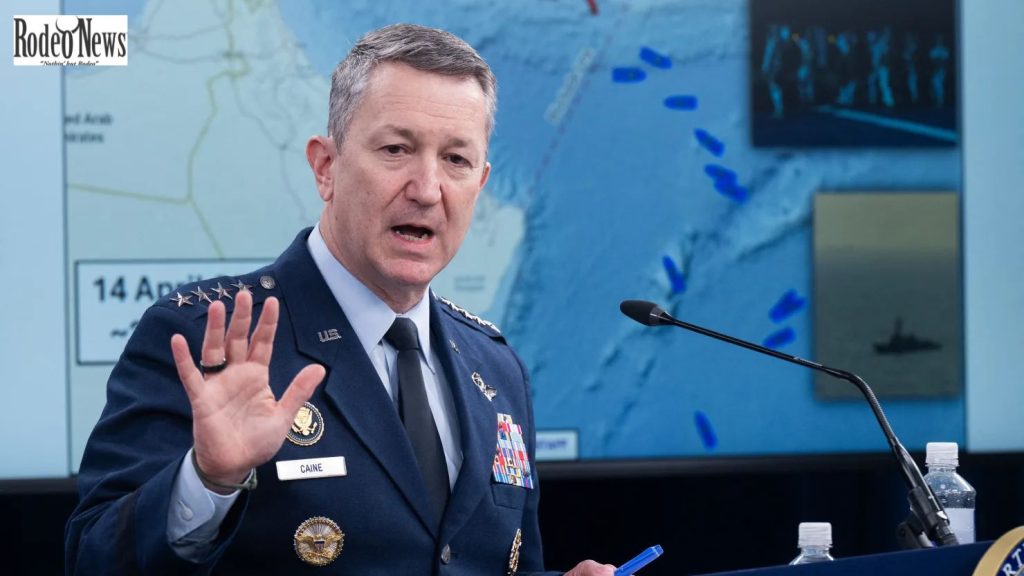
Following failed diplomatic talks, the United States initiated a naval blockade targeting Iranian ports and shipping activities. The move was designed to cripple Iran’s economy by cutting off its oil exports without fully shutting down international shipping.
According to U.S. Central Command, the blockade specifically targets vessels entering or leaving Iranian ports, rather than closing the entire strait.
More than 10,000 U.S. personnel, supported by warships and aircraft, are enforcing the blockade.
This strategy allows global shipping to continue in theory, while placing intense economic pressure on Iran. However, in practice, the situation is far more unstable.
Iran’s Response: Mines, Threats, and Control
Iran has responded aggressively to the blockade, taking steps that have significantly escalated the Strait of Hormuz crisis.
Key actions include:
- Deploying naval mines across the strait
- Threatening to attack unauthorized vessels
- Attempting to assert full control over the passage
Reports indicate that Iran has used advanced naval mines designed to evade detection, making the waters extremely dangerous for commercial shipping.
Additionally, Iran has warned that any foreign military presence could be treated as a violation of ceasefire agreements, raising the risk of direct confrontation.
A De Facto Shutdown of Global Oil Flows
Although the strait has not been officially closed, the reality on the ground tells a different story.
Shipping companies are increasingly unwilling to risk sending vessels through the area. Hundreds of ships remain stranded, and many have rerouted or canceled voyages altogether.
In practical terms, this has created a de facto shutdown of one of the world’s most important energy corridors.
Meanwhile, global oil flows have been severely disrupted, with millions of barrels per day effectively removed from the market.
This disruption has already begun to ripple across industries, from transportation to manufacturing.
Oil Prices Surge and Markets React
One of the most immediate impacts of the Strait of Hormuz crisis has been a sharp rise in oil prices.
Physical oil prices have surged as high as $120–$150 per barrel, reflecting the sudden supply shock caused by the disruption.
However, futures markets have shown a more muted response, creating a dangerous disconnect between real-world supply conditions and financial expectations.
This mismatch has led to:
- Increased market volatility
- Uncertainty in energy pricing
- Higher risks for global investors
Economists warn that if the crisis continues, it could trigger inflation, slow economic growth, and potentially lead to a global recession.
Military Escalation: “Locked and Loaded”
The military dimension of the Strait of Hormuz crisis cannot be ignored.
U.S. officials have stated that forces are “locked and loaded” and prepared to take further action if Iran does not comply with demands.
Potential escalation scenarios include:
- Airstrikes on Iranian infrastructure
- Expanded naval operations
- Direct military confrontation
At the same time, Iran has signaled its readiness to retaliate, creating a highly volatile standoff where even a minor incident could trigger a wider conflict.
The Collapse of Diplomacy
Efforts to resolve the crisis through diplomacy have so far failed.
Talks between U.S. and Iranian officials in Islamabad ended without agreement, leading directly to the implementation of the blockade.
Despite ongoing communication, both sides remain deeply divided on key issues, including:
- Iran’s nuclear program
- Economic sanctions
- Regional military presence
Without a breakthrough, the likelihood of prolonged conflict remains high.
Global Impact: Beyond Oil
While energy markets are at the center of the crisis, the consequences extend far beyond oil.
The disruption has affected:
- Global supply chains
- Food production (due to fertilizer shortages)
- Industrial manufacturing
- Shipping and insurance costs
In fact, the current situation has been described as one of the largest supply disruptions in modern history, with ripple effects across multiple sectors.
Countries heavily dependent on Middle Eastern energy—such as China and India—are particularly vulnerable.
What Happens Next?
The future of the Strait of Hormuz crisis remains uncertain, but several possible scenarios are emerging:
1. Diplomatic Breakthrough
A negotiated agreement could de-escalate tensions and restore stability to global markets.
2. Prolonged Standoff
The current situation could persist, with ongoing disruptions and economic fallout.
3. Full-Scale Conflict
A direct military confrontation could lead to a broader regional war, with devastating consequences.
At present, the situation appears to be leaning toward a prolonged standoff, with both sides unwilling to back down.
Conclusion: A Crisis with Global Stakes
The Strait of Hormuz crisis is not just another geopolitical dispute—it is a defining moment for global stability in 2026.
With energy supplies disrupted, markets shaken, and military tensions rising, the world is watching closely as events unfold.
Whether this crisis leads to diplomatic resolution or escalates into full-scale conflict will depend on decisions made in the coming days and weeks.
For now, one thing is clear: the Strait of Hormuz remains the most dangerous flashpoint in the world—and its impact is being felt far beyond the Middle East.