
Iran War Clash Revealed: Trump vs Pope Leo Shock
The Iran War Trump vs Pope Leo conflict is rapidly becoming one of the most striking political and moral confrontations of 2026. What began as a geopolitical crisis has now evolved into a deeper clash between political authority and religious leadership. As tensions rise, the disagreement between former U.S. President Donald Trump and Pope Leo XIV is drawing global attention.
This situation is not just about war strategy. Instead, it reflects a broader divide over morality, leadership, and the role of faith in global decision-making. Meanwhile, Vice President JD Vance finds himself navigating a complicated middle ground.
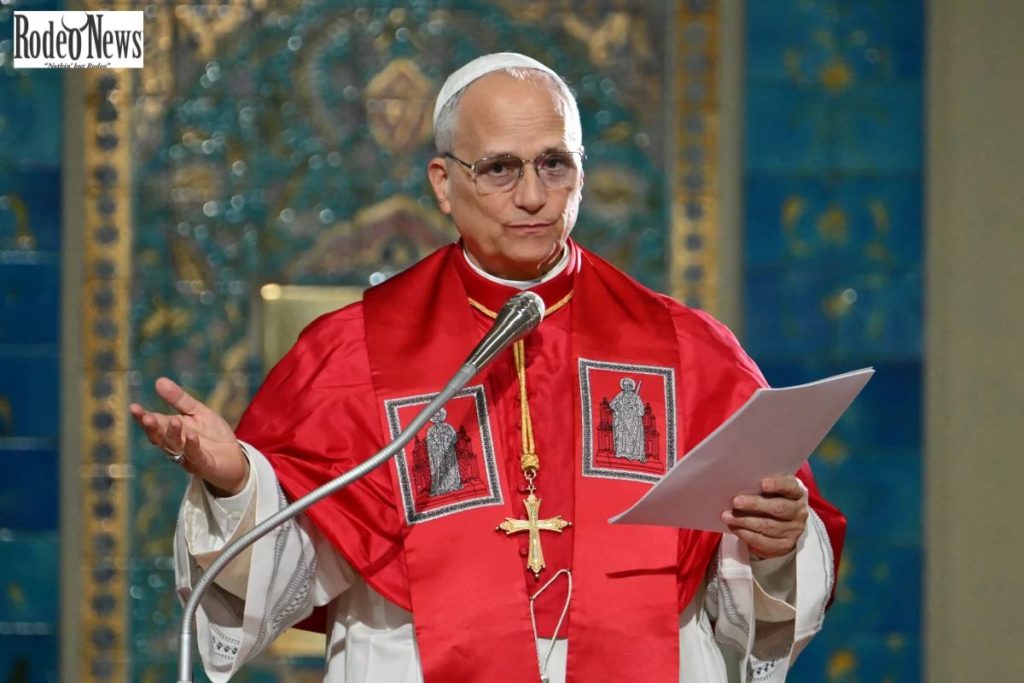
Iran War Trump vs Pope Leo: A Rare Global Dispute
The Iran War Trump vs Pope Leo situation stands out because it is highly unusual. Historically, disagreements between world leaders and religious figures have existed. However, they are rarely this public or personal.
Donald Trump has openly defended military action against Iran. He argues that strong intervention is necessary to prevent nuclear escalation and ensure global security. On the other hand, Pope Leo XIV has taken a firm stance against the war, emphasizing peace and diplomacy.
As a result, the conflict has grown beyond politics. It has entered the realm of moral authority.
Why Trump Supports the Iran War
Trump’s position on the Iran conflict is rooted in national security concerns. According to his administration’s narrative, Iran poses a serious threat due to its nuclear ambitions and regional influence.
He has repeatedly stated that:
- Military action is necessary to prevent nuclear weapons development
- Strong leadership deters global instability
- Diplomatic efforts alone are insufficient
Therefore, Trump frames the war as a preventive and strategic necessity. He believes that failing to act would result in greater danger later.
Moreover, his rhetoric often highlights strength and decisiveness. This approach resonates with supporters who prioritize security over diplomatic caution.
Pope Leo’s Moral Opposition to War
In contrast, Pope Leo XIV has strongly criticized the conflict. His stance is grounded in long-standing Catholic teachings that emphasize peace, human dignity, and ethical responsibility.
The Pope argues that:
- War represents a failure of diplomacy
- Violence leads to long-term suffering
- Global leaders must prioritize peaceful solutions
Furthermore, he has warned that modern warfare risks escalating beyond control. According to his perspective, the consequences of war extend far beyond immediate political goals.
Because of this, his criticism is not limited to one country. Instead, it reflects a broader concern about global trends toward militarization.
JD Vance: Caught Between Faith and Politics
Vice President JD Vance plays a crucial role in the Iran War Trump vs Pope Leo narrative. As a practicing Catholic, he is expected to respect the Pope’s moral authority. However, as a political leader, he must also support the administration’s policies.
This creates a delicate balancing act.
Vance has attempted to:
- Support Trump’s national security decisions
- Acknowledge the Pope’s moral concerns
- Avoid direct confrontation with religious leadership
However, this middle-ground approach has not fully satisfied either side. Some critics argue that it reflects internal tension within the administration.
A Historical Pattern Repeating Itself
The Iran War Trump vs Pope Leo conflict is not entirely new in historical terms. Throughout history, religious leaders have often opposed war, while political leaders have justified it.
For example:
- Religious institutions frequently advocate for peace
- Governments prioritize national interest and security
- Conflicts arise when these priorities clash
However, what makes this situation unique is its visibility. Modern media and political polarization have amplified the disagreement.
As a result, the debate is no longer confined to diplomatic circles. It is now part of public discourse worldwide.
Impact on Global Politics
The clash between Trump and Pope Leo is influencing more than just U.S. policy. It is shaping global perceptions of leadership and morality.
Several key effects are emerging:
1. Division Among Allies
Some international allies are aligning with the Pope’s call for peace. Others support Trump’s security-driven approach.
2. Religious Influence in Politics
The situation highlights the ongoing influence of religion in political decision-making. It raises questions about how much weight moral authority should carry.
3. Public Opinion Shifts
Citizens around the world are increasingly divided. Some view the war as necessary, while others see it as unjustifiable.
Media and Public Reaction
The media has played a significant role in amplifying the Iran War Trump vs Pope Leo debate. Coverage has focused on the personal nature of the conflict, as well as its broader implications.
Meanwhile, public reaction has been mixed:
- Supporters of Trump emphasize strength and security
- Supporters of the Pope highlight morality and peace
- Neutral observers express concern about escalation
Social media platforms have further intensified the discussion. Opinions spread quickly, often deepening divisions.
The Role of Religion in Modern Conflict
This situation raises an important question: what role should religion play in modern warfare?
On one hand, religious leaders provide ethical guidance. On the other hand, political leaders must make decisions based on national interests.
The Iran War Trump vs Pope Leo conflict illustrates this tension clearly.
Religious perspectives often focus on:
- Human suffering
- Long-term consequences
- Moral responsibility
Political perspectives, however, prioritize:
- Immediate threats
- Strategic advantage
- National security
Balancing these viewpoints remains a challenge.
Potential Future Outcomes
Looking ahead, several scenarios could unfold:
1. Continued Escalation
If tensions persist, the conflict between political and religious leaders may deepen.
2. Diplomatic Breakthrough
There is still a possibility that negotiations could reduce hostilities.
3. Internal Political Shifts
Domestic pressure may influence future decisions, especially as public opinion evolves.
Each outcome carries significant implications for global stability.
Conclusion: A Conflict Beyond War
The Iran War Trump vs Pope Leo situation is more than a disagreement over military action. It represents a fundamental clash between two powerful forms of authority.
On one side stands political power, focused on security and strategy. On the other stands moral authority, emphasizing peace and ethics.
As the world watches, this conflict continues to shape discussions about leadership, responsibility, and the future of global relations.
Ultimately, the outcome will not only affect the Iran war. It will also influence how future conflicts are understood and addressed.