Measles Exposure Portland: Health Alert at Middle School Raises Concern
Health officials in Oregon have issued a serious warning following a confirmed Measles Exposure Portland incident at a middle school in southeast Portland. The development has intensified concerns about the spread of a highly contagious disease that had once been largely eliminated in the United States.
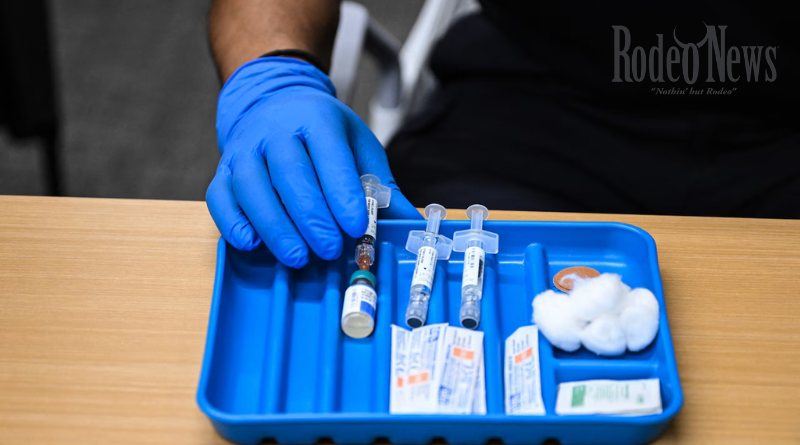
Authorities say the exposure occurred at a local school, potentially putting students, staff, and families at risk. The alert is part of a growing pattern of measles-related incidents across the region, signaling what experts fear could be a wider resurgence.
Meanwhile, public health officials are urging vigilance, especially among unvaccinated populations.
What Happened at the Portland Middle School?
According to local health authorities, an individual infected with measles was present at a middle school in southeast Portland, creating a potential exposure environment for hundreds of people.
Measles spreads through airborne particles, meaning individuals can become infected even without direct contact. The virus can linger in the air for up to two hours after an infected person leaves the area.
As a result, anyone who was in the school during the exposure window may be at risk. Officials are now conducting contact tracing and advising those potentially exposed to monitor symptoms closely.
Why Measles Exposure Portland Is So Concerning
The Measles Exposure Portland case is not an isolated event. Oregon has seen a steady rise in measles cases in recent months, with multiple exposure sites reported across the Portland metro area.
So far in 2026, at least a dozen confirmed cases have been recorded in Oregon, with many more potential exposures.
Experts warn that the actual number of infections could be higher, as not all cases are diagnosed or reported. This underreporting increases the risk of silent spread within communities.
Understanding Measles: A Highly Contagious Threat
Measles is one of the most contagious viruses known to humans. A single infected person can spread the disease to up to 90% of unvaccinated individuals they come into contact with.
The illness is caused by a virus that attacks the respiratory system and spreads through coughing and sneezing.
Common Symptoms Include:
- High fever
- Persistent cough
- Runny nose
- Red, watery eyes
- A distinctive red rash that spreads across the body
Symptoms typically appear 10 to 14 days after exposure, making it difficult to identify and contain early transmission.
How the Virus Spreads So Easily
One of the most alarming aspects of measles is how easily it spreads. Unlike many other diseases, measles does not require close contact.
For example:
- The virus can remain airborne for hours
- People are contagious before symptoms become obvious
- Early symptoms resemble a common cold
Therefore, individuals may unknowingly spread the virus in public places such as schools, grocery stores, and healthcare facilities.
This explains why exposure sites in Oregon have included schools, restaurants, and even emergency rooms in recent weeks.
Vaccination: The Most Effective Protection
Health experts emphasize that vaccination remains the most effective defense against measles.
The measles, mumps, and rubella (MMR) vaccine provides:
- About 93% protection with one dose
- About 97% protection with two doses
Despite this, vaccination rates in some communities have declined, creating pockets of vulnerability.
In Oregon, for instance:
- About 1 in 15 kindergartners are completely unvaccinated
- About 1 in 10 have received only one dose
These gaps in immunity make it easier for the virus to spread when introduced.
Who Is Most at Risk?
While measles can affect anyone, certain groups face higher risks:
High-Risk Groups:
- Children under 5 years old
- Pregnant women
- Individuals with weakened immune systems
- Unvaccinated individuals
Complications can be severe, including pneumonia, brain inflammation, and even death in rare cases.
In fact, about 1 in 1,000 children who contract measles may die from complications, highlighting the seriousness of the disease.
What To Do If You Were Exposed
If you believe you were exposed during the Measles Exposure Portland incident, health officials recommend immediate action:
Steps to Take:
- Contact your healthcare provider
- Monitor for symptoms for up to 21 days
- Avoid public places if symptoms develop
- Check your vaccination status
In some cases, receiving the vaccine within 72 hours of exposure can reduce the severity of the illness or prevent it altogether.
A Growing Public Health Concern
The Portland exposure is part of a broader national trend. Across the United States, measles cases have been increasing, driven largely by declining vaccination rates.
Public health experts warn that communities with low immunization coverage are especially vulnerable to outbreaks.
Moreover, the presence of multiple exposure sites in Oregon suggests that the virus may already be circulating more widely than confirmed case numbers indicate.
Why Schools Are High-Risk Locations
Schools are particularly vulnerable environments for measles transmission due to:
- High population density
- Close indoor contact
- Presence of unvaccinated children
The Measles Exposure Portland case underscores how quickly the virus can spread in educational settings.
Even a single infected individual can trigger widespread exposure, forcing health officials to issue alerts and implement containment measures.
Public Health Response and Next Steps
Local health authorities are actively responding to the situation by:
- Notifying potentially exposed individuals
- Conducting contact tracing
- Issuing public health advisories
Meanwhile, schools and communities are being urged to review vaccination records and reinforce preventive measures.
Experts also stress the importance of public awareness in preventing further spread.
The Bottom Line: Stay Alert, Stay Protected
The Measles Exposure Portland incident serves as a stark reminder that vaccine-preventable diseases can still pose serious threats.
Although measles was once declared eliminated in the United States, declining vaccination rates have allowed it to re-emerge in certain areas.
Therefore, staying informed, ensuring vaccination, and responding quickly to exposure alerts are critical steps in protecting public health.
As Oregon continues to monitor the situation, one thing is clear: vigilance and prevention remain the strongest tools against a potential outbreak.