
Tax Refunds 2026: Why Bigger Checks Aren’t Enough
Tax Refunds 2026 have become one of the most talked-about financial topics in the United States this year. On the surface, the numbers look promising. Americans are receiving larger refunds compared to previous years, signaling what policymakers describe as effective tax relief.
However, beneath these encouraging figures lies a deeper issue. Despite increased refunds, a significant portion of Americans still believe they are paying too much in taxes. This growing dissatisfaction highlights a widening gap between economic policy outcomes and public perception.
📊 A Surge in Tax Refunds
The 2026 tax season has delivered noticeably higher refunds for many households. According to recent data, the average refund has risen significantly, offering what appears to be financial breathing room for millions.
This increase is largely tied to updated tax policies introduced under recent reforms. These include:
- Expanded child tax credits
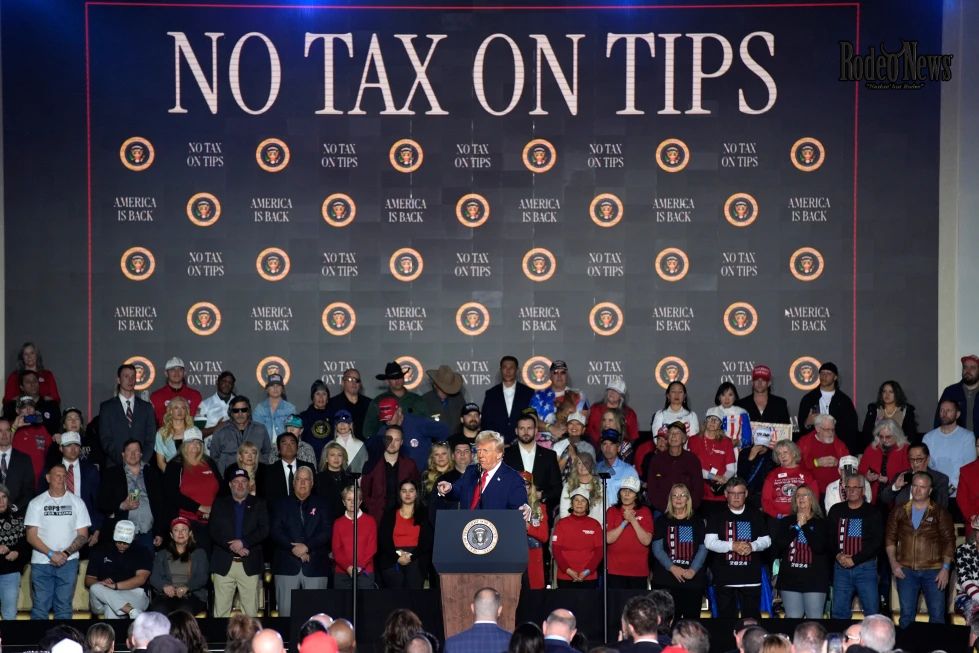
- Tax exemptions on tips and overtime income
- New deductions targeting seniors and middle-income earners
As a result, refund totals have surged compared to previous years. For policymakers, this represents a clear success story.
However, the story doesn’t end there.
😟 Public Sentiment Tells a Different Story
Despite higher payouts, public opinion paints a more complicated picture. Surveys show that a majority of Americans still feel overburdened by taxes.
Many taxpayers report that even with larger refunds, their overall financial situation hasn’t improved. In fact, frustration appears to be increasing rather than declining.
This disconnect raises an important question:
If people are getting more money back, why don’t they feel better off?
💸 The Hidden Impact of Inflation
One of the biggest factors influencing perception is inflation. While refunds have increased, the cost of living has risen sharply as well.
Everyday expenses such as:
- Groceries
- Housing
- Transportation
- Utilities
have all become more expensive. As a result, the extra money from Tax Refunds 2026 is often quickly absorbed by rising costs.
For many households, the refund doesn’t feel like a bonus. Instead, it feels like a temporary offset to ongoing financial pressure.
⛽ Rising Fuel Costs Add Pressure
Another major contributor to dissatisfaction is the increase in fuel prices. Over the past year, global economic tensions have driven up energy costs.
This has had a direct impact on American households, especially those who rely heavily on driving for work or daily activities.
Higher fuel costs can add hundreds—or even thousands—of dollars in annual expenses. When combined with inflation, these costs can easily outweigh any gains from tax refunds.
⚖️ Uneven Distribution of Benefits
While tax reforms have boosted refunds overall, not all groups benefit equally. Critics argue that higher-income households tend to gain more from certain deductions and policy changes.
Meanwhile, middle- and lower-income families may see smaller relative improvements. This perceived imbalance contributes to the belief that the tax system remains unfair.
As a result, even those receiving larger refunds may feel that the system does not work in their favor.
🏛️ The Political Debate Intensifies
The issue of Tax Refunds 2026 has quickly become a focal point in political discussions. Supporters of current tax policies highlight the increased refunds as evidence of success.
They argue that:
- Tax cuts are putting more money back into people’s pockets
- Economic growth will follow over time
- Relief measures are targeted toward working Americans
However, critics counter that these benefits are being overshadowed by broader economic challenges. They point out that:
- Inflation reduces real income gains
- Essential costs continue to rise
- Long-term financial stability remains uncertain
This debate is likely to play a major role in upcoming elections, as voters weigh their personal experiences against official economic data.
📉 Perception vs Reality
The situation surrounding Tax Refunds 2026 highlights a classic economic dilemma: the difference between statistical improvement and lived experience.
From a data perspective:
- Refunds are higher
- Tax relief measures are in place
- Government policy appears effective
From a personal perspective:
- Expenses are rising faster than income
- Financial stress remains high
- Confidence in the system is declining
This gap between numbers and reality explains why dissatisfaction persists despite positive indicators.
🧠 Why Refunds Don’t Equal Wealth
It’s important to understand that a tax refund is not necessarily a sign of increased wealth. In many cases, it simply means that taxpayers overpaid throughout the year.
Receiving a larger refund can feel rewarding, but it does not always reflect improved financial health.
In fact, some financial experts argue that smaller refunds paired with higher take-home pay throughout the year may be more beneficial for long-term budgeting.
This perspective further complicates how people interpret Tax Refunds 2026.
🔮 What Comes Next?
Looking ahead, the future of tax policy will likely depend on how lawmakers address the underlying issues driving dissatisfaction.
Potential areas of focus include:
- Tackling inflation more aggressively
- Adjusting tax policies to ensure fair distribution
- Reducing everyday costs for households
- Improving transparency around tax systems
If these challenges are not addressed, public frustration may continue to grow—even if refunds increase further.
🌐 External Resource
For more details, visit the original report from AP News:
https://apnews.com/article/poll-tax-season-refunds-trump-republicans-costs-7c51405c441d56bcc4d5747fb587742c
🔗 Internal Link Example
Read more insights on economic trends at:
https://yourwebsite.com/economic-analysis-2026
🧾 Final Thoughts
Tax Refunds 2026 tell a story that goes beyond numbers. While larger refunds suggest progress, they do not fully capture the financial realities faced by millions of Americans.
Rising costs, uneven benefits, and ongoing economic uncertainty continue to shape public perception. As a result, many taxpayers remain skeptical, even in the face of seemingly positive developments.
Ultimately, the success of tax policy will not be measured solely by refund amounts—but by whether people genuinely feel more secure in their financial lives.