Trump Iran Troops: 7 Shocking Moves in Hormuz Crisis
The deployment of Trump Iran troops into the Middle East has intensified global attention as tensions surrounding Iran and the strategic Strait of Hormuz reach a critical point. In recent developments, U.S. President Donald Trump has doubled down on military presence while navigating a fragile ceasefire, raising questions about whether the region is heading toward stability—or deeper conflict.
The Strait of Hormuz, a narrow waterway responsible for roughly 20% of the world’s oil shipments, has become the focal point of this geopolitical crisis.
Below are seven shocking developments shaping this rapidly evolving situation.
1. Massive U.S. Troop Deployment Signals Long-Term Strategy
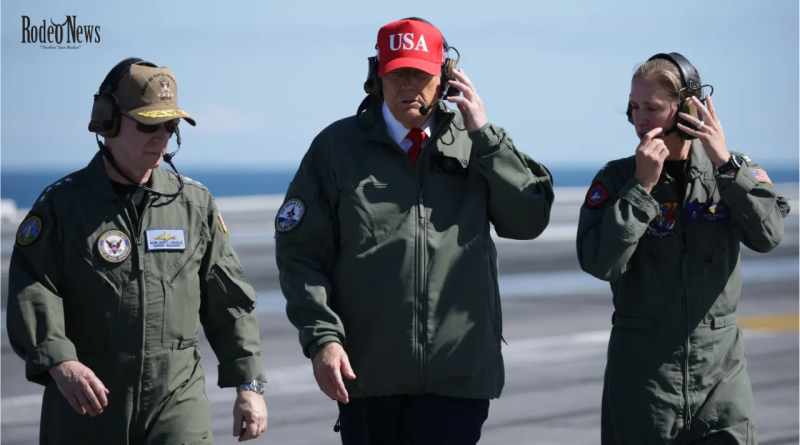
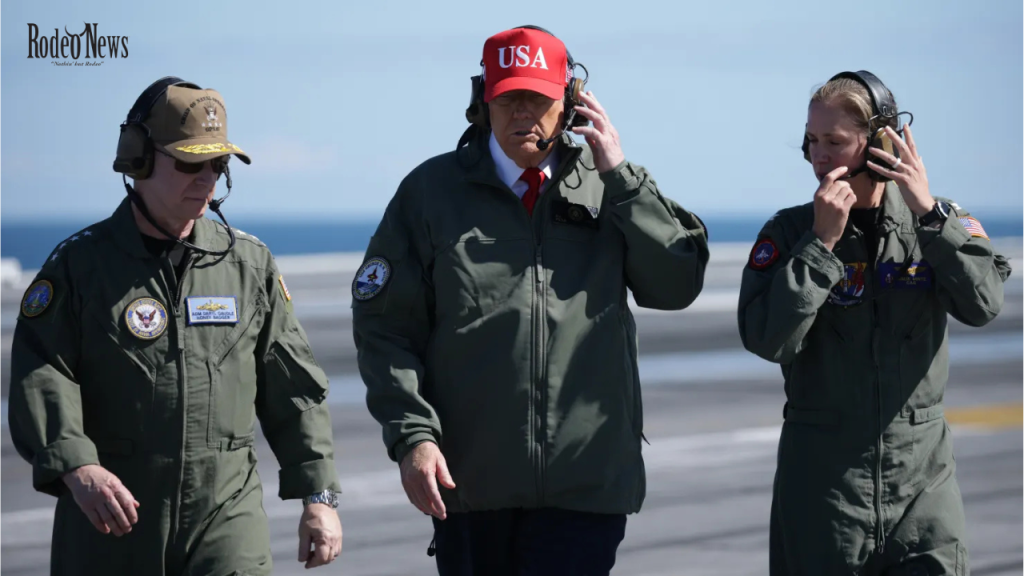
One of the most significant developments is the scale of U.S. military deployment. Thousands of troops, including Marines and elite units, have been sent to the Middle East as part of a broader strategic buildup.
This marks the largest regional military expansion since the Iraq War, signaling that the Trump administration is preparing not just for deterrence—but potentially prolonged engagement.
Military analysts suggest the presence of these troops is meant to:
- Secure critical shipping routes
- Deter Iranian escalation
- Maintain U.S. influence in the region
However, critics argue that such a buildup risks triggering further instability.
2. Strait of Hormuz Becomes Global Flashpoint
At the center of the crisis lies the Strait of Hormuz, a vital chokepoint for global energy supply. During the conflict, Iran effectively restricted access to the strait, disrupting oil shipments and sending shockwaves through global markets.
Iran has even floated the idea of charging tolls for ships, signaling a dramatic shift in how the waterway could be controlled.
This move challenges decades of international norms that treat the strait as open to global navigation.
3. Fragile Ceasefire Raises More Questions Than Answers
A temporary two-week ceasefire between the U.S. and Iran has offered a brief pause in hostilities. However, the agreement remains unclear and highly disputed.
- The U.S. claims success in reopening the strait
- Iran insists it retains control and leverage
- Both sides interpret the deal differently
Experts warn the ceasefire may not hold, especially as negotiations continue under heavy mistrust.
In fact, some analysts argue the agreement could simply delay a larger confrontation.
4. Iran Emerges With Strategic Leverage
Despite heavy damage to infrastructure, Iran appears to have emerged from the conflict with increased geopolitical influence.
According to analysts:
- Iran retains missile and nuclear capabilities
- Regional proxy networks remain intact
- Control over Hormuz strengthens its bargaining power
This outcome complicates Trump’s claim of victory, as Iran now holds leverage over a key global energy route.
For many observers, the war has reshaped—not reduced—Iran’s regional power.
5. Oil Markets Experience Historic Volatility
The Hormuz crisis has triggered extreme volatility in global energy markets.
Following the ceasefire announcement:
- Oil prices plunged dramatically
- Stock markets surged worldwide
- Investors reacted to reduced supply fears
At one point, oil saw its biggest drop since 2020, reflecting how sensitive markets are to developments in the region.
However, experts caution that stability may be temporary, as shipping disruptions continue.
6. Trump’s Strategy Faces Global Criticism
President Trump’s approach to the Iran conflict has drawn both support and criticism.
Supporters argue:
- Strong military pressure forced Iran into negotiations
- U.S. demonstrated dominance in the region
Critics counter:
- Objectives like denuclearization remain unmet
- Messaging has been inconsistent
- Risk of escalation remains high
Some analysts describe the strategy as unpredictable, pointing to shifting positions on ceasefire terms and Hormuz control.
This uncertainty has made it difficult for allies and markets to assess long-term outcomes.
7. Risk of Renewed Conflict Still Looms
Despite the ceasefire, the possibility of renewed conflict remains high.
Key risks include:
- Disagreements over nuclear policy
- Ongoing tensions involving Israel and regional proxies
- Disputes over control of shipping lanes
Negotiations are expected to continue, but deep divisions persist between Washington and Tehran.
Meanwhile, military forces remain on high alert, underscoring how fragile the situation truly is.
The Bigger Picture: A New Middle East Reality
The Trump Iran troops deployment is more than just a military maneuver—it represents a shift in the geopolitical balance of the Middle East.
Several key trends are emerging:
- Energy security is now directly tied to military power
- Regional conflicts are increasingly interconnected
- Global markets react instantly to geopolitical risk
The Strait of Hormuz has effectively become a bargaining chip in a much larger strategic game.
What Happens Next?
Looking ahead, several scenarios could unfold:
1. Diplomatic Breakthrough
Negotiations could lead to a longer-term agreement, stabilizing the region and reopening trade routes fully.
2. Prolonged Stalemate
Tensions may persist without full-scale war, creating ongoing uncertainty for markets and governments.
3. Renewed Military Escalation
Any breakdown in talks could quickly reignite conflict, especially given the heavy military presence on both sides.
Conclusion
The unfolding crisis involving Trump Iran troops highlights the delicate balance between military power and diplomacy in one of the world’s most volatile regions.
While the ceasefire offers temporary relief, underlying tensions remain unresolved. Iran’s strengthened position, combined with continued U.S. military deployment, suggests that the Strait of Hormuz will remain a global hotspot for the foreseeable future.
For now, the world watches closely—because what happens next in the Gulf could reshape global politics, energy markets, and security for years to come.