Haiti Gang Massacre Revealed: A Nation in Crisis
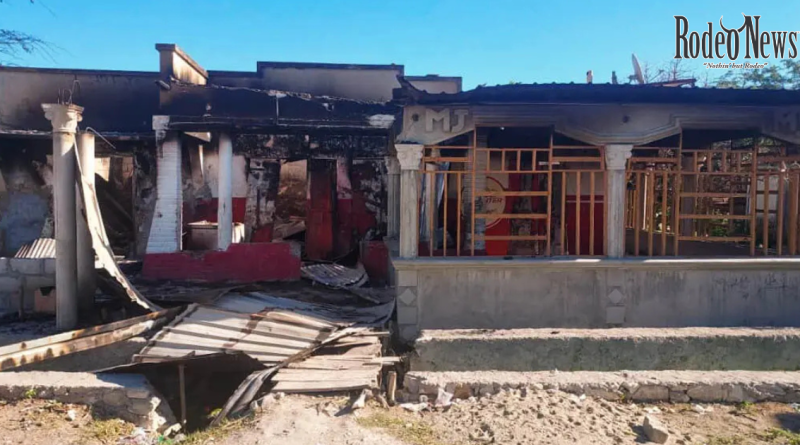
The latest Haiti gang massacre has shocked the world, leaving more than 70 people dead in a brutal attack that underscores the country’s deepening security crisis. The massacre, which occurred in the Artibonite region—often referred to as Haiti’s agricultural heartland—has once again exposed the government’s inability to control heavily armed gangs and protect civilians.
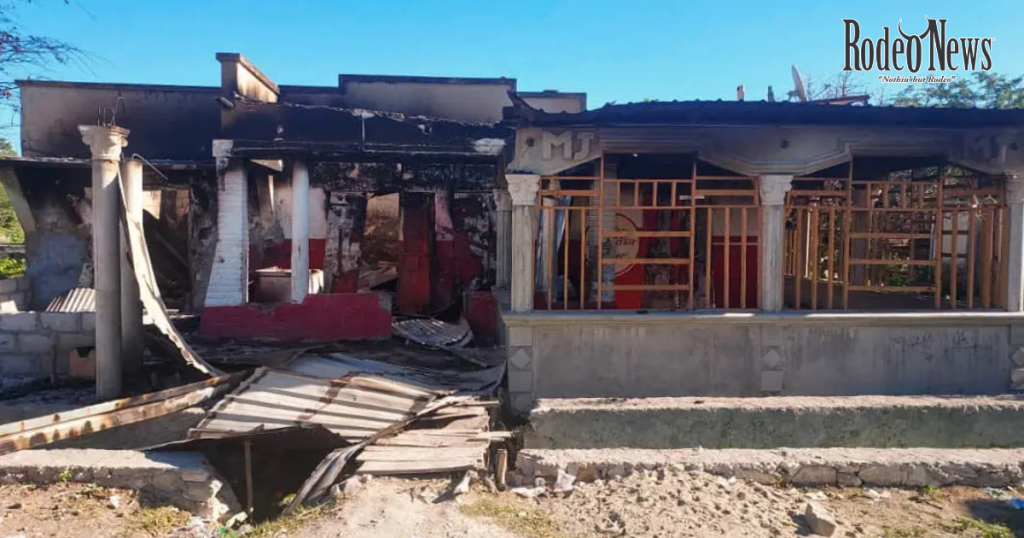
According to multiple human rights organizations and international reports, the attack was carried out by the notorious Gran Grif gang, one of the most powerful criminal groups operating in Haiti today. The violence was not only deadly but also indiscriminate, targeting vulnerable populations including women, children, and the elderly.
What Happened in the Artibonite Region?
The Haiti gang massacre unfolded over the course of several hours, beginning in the early morning and continuing into the next day. Armed men stormed communities near Petite-Rivière-de-l’Artibonite, setting homes ablaze and opening fire on residents.
Local reports indicate that at least 70 people were killed, although official figures initially suggested a much lower death toll of around 16. Human rights groups, however, insist the higher number is accurate, citing on-the-ground investigations and eyewitness accounts.
Dozens more were injured, and at least 6,000 residents were forced to flee their homes as entire neighborhoods were reduced to ashes.
The scale of destruction was immense:
- More than 50 homes burned
- Entire families displaced overnight
- Survivors left without food, shelter, or medical care
This Haiti gang massacre is now considered one of the deadliest incidents in the region in recent years.
Who Is Behind the Haiti Gang Massacre?
The attack has been widely attributed to the Gran Grif gang, a dominant criminal organization in Haiti’s Artibonite department. Known for its extreme violence, the group has been linked to numerous atrocities, including mass killings, kidnappings, and sexual violence.
Gran Grif has gained notoriety for:
- Controlling large rural territories
- Using terror tactics against civilians
- Engaging in organized crime and arms trafficking
In fact, the group has been designated as a terrorist organization by both the United States and the Dominican Republic.
Experts believe the Haiti gang massacre may have been a retaliatory attack against rival factions or local resistance groups.
A Pattern of Escalating Violence
This massacre is not an isolated incident. Instead, it is part of a broader pattern of escalating gang violence that has gripped Haiti for years.
Recent data paints a grim picture:
- Nearly 20,000 people have died from gang violence since 2021
- Over 1.4 million people have been displaced
- Gangs now control large portions of the country, including up to 90% of the capital, Port-au-Prince
The Artibonite region, once considered relatively stable, has increasingly become a battleground for rival gangs seeking to expand their influence.
Why Authorities Failed to Prevent It
One of the most troubling aspects of the Haiti gang massacre is the apparent failure of authorities to prevent or respond effectively to the attack.
Human rights organizations have accused the Haitian government of “revolting passivity,” suggesting that the lack of action amounts to a failure to protect its citizens.
Several factors contributed to this failure:
1. Under-Resourced Police Force
Haiti’s national police are severely understaffed and under-equipped. In many cases, officers lack basic resources such as vehicles, weapons, and communication tools.
2. Overwhelming Gang Power
Gangs in Haiti are often better armed than government forces, with access to illegal firearms and organized networks.
3. Roadblocks and Sabotage
During the attack, gangs reportedly blocked roads, preventing security forces from reaching affected areas in time.
4. Political Instability
Haiti has been in a state of political turmoil for years, with weak governance structures and limited coordination between authorities.
International Response and Criticism
The Haiti gang massacre has drawn widespread international condemnation, but critics argue that global responses have been slow and ineffective.
Amnesty International described the incident as a tragic example of systemic failure, emphasizing the urgent need for sustainable security solutions and accountability.
Meanwhile, a United Nations-backed security mission has struggled to deploy sufficient personnel and resources. Although new international forces have begun arriving in Haiti, their impact remains limited so far.
Critics point to several issues:
- Delays in troop deployment
- Lack of funding and equipment
- Over-reliance on militarized solutions
Humanitarian Impact: Thousands Displaced
Beyond the death toll, the Haiti gang massacre has created a massive humanitarian crisis.
Thousands of survivors have been forced to flee, many with nothing but the clothes on their backs. Temporary shelters are overcrowded, and access to food, clean water, and medical care is severely limited.
The psychological toll is equally devastating. Survivors report:
- Witnessing family members killed
- Losing homes and livelihoods
- Living in constant fear of further attacks
Children, in particular, are among the most vulnerable, facing trauma, displacement, and lack of access to education.
The Bigger Picture: Haiti’s Security Collapse
The Haiti gang massacre highlights a broader collapse of state authority. In many parts of the country, gangs have effectively replaced the government, controlling:
- Transportation routes
- Local economies
- Access to basic services
This has created a parallel system of power, where civilians are often forced to negotiate with or submit to armed groups.
Experts warn that without immediate and coordinated action, Haiti risks descending further into chaos.
What Happens Next?
In the aftermath of the Haiti gang massacre, several urgent questions remain:
Will International Forces Make a Difference?
The arrival of new UN-backed troops could help stabilize certain areas, but success will depend on proper funding, coordination, and long-term strategy.
Can the Government Regain Control?
Rebuilding state authority will require significant reforms, including strengthening the police force and addressing corruption.
Will Justice Be Served?
Human rights groups are calling for investigations and accountability, but past cases suggest that justice may be difficult to achieve.
Conclusion: A Turning Point or Another Tragedy?
The Haiti gang massacre is more than just a single घटना—it is a stark warning about the consequences of prolonged instability, weak governance, and unchecked violence.
With more than 70 lives lost and thousands displaced, the tragedy has once again placed Haiti at the center of global attention. However, attention alone is not enough.
Without decisive action—from both Haitian authorities and the international community—such massacres risk becoming not the exception, but the norm.
For now, the people of Haiti continue to endure a crisis that shows no signs of ending.
Internal Link
Read more global crisis coverage at: https://yourwebsite.com/world-news
External Links
- Reuters coverage on Haiti violence
- Amnesty International report on Haiti crisis