Iran Embassy Strike Damage Revealed: What Really Happened
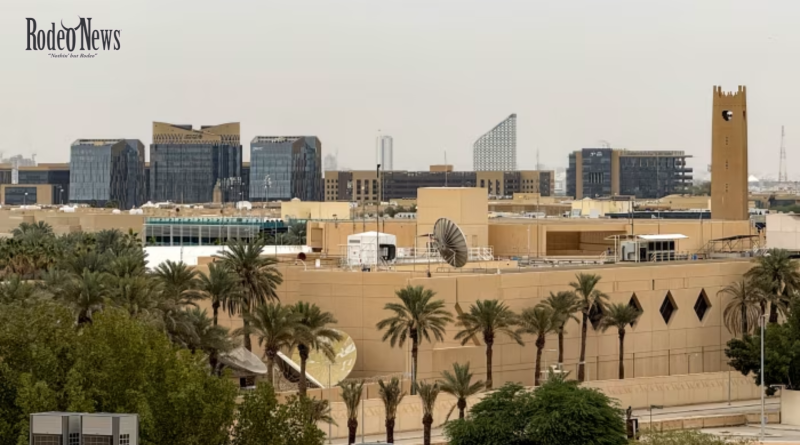
The full extent of the Iran embassy strike damage in Saudi Arabia is now coming to light—and it is far more severe than initially reported. New details from U.S. officials reveal that the attack on the American embassy in Riyadh caused significant destruction, raising concerns about security vulnerabilities and escalating tensions in the Middle East.
The incident, which took place on March 3, 2026, is part of a broader regional conflict involving Iran, the United States, and key allies. While early statements described the damage as minimal, updated assessments suggest a much more serious breach of one of the most secure diplomatic facilities in the region.
Drone Attack Breached High-Security Embassy
According to newly disclosed information, the Iran embassy strike damage was caused by a coordinated drone attack involving at least two unmanned aerial vehicles.
The first drone reportedly struck the embassy compound, creating an opening. Minutes later, a second drone followed through the same breach and detonated inside the structure. This sequence significantly amplified the destructive impact.
U.S. officials say the attack damaged multiple floors within the embassy, including highly sensitive areas. The strike occurred at night, which likely prevented casualties but underscored the potential for a far deadlier outcome.
Reports indicate that the explosion triggered a fire that burned for hours, further worsening the destruction inside the building.
Damage Far Worse Than Official Statements
Initially, Saudi authorities described the attack as causing only minor damage. However, updated U.S. assessments contradict that narrative.
Officials now say parts of the embassy suffered extensive structural damage, with some sections considered beyond repair. The discrepancy between early public statements and later findings has raised questions about transparency and risk communication.
The Iran embassy strike damage highlights a critical issue: even heavily fortified diplomatic compounds are no longer immune to modern drone warfare.
The ability of the second drone to exploit the first strike’s opening demonstrates a new level of precision and tactical planning.
Sensitive Intelligence Areas Hit
One of the most alarming revelations is that the attack impacted areas believed to house intelligence operations.
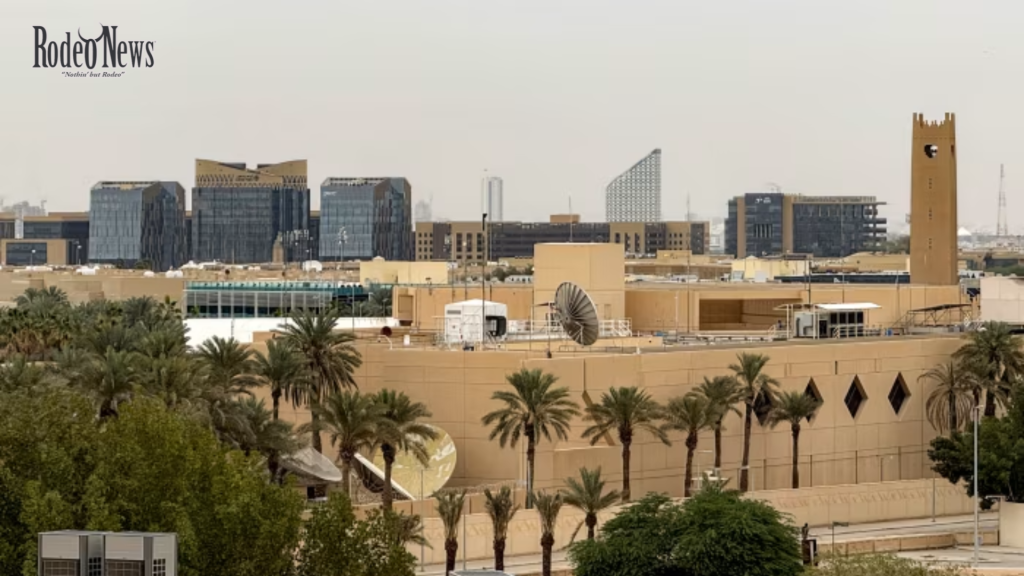
According to reports, the strike may have damaged a section linked to U.S. intelligence activities, increasing concerns about compromised security and operational disruption.
While officials have not confirmed the full extent of intelligence losses, the possibility alone signals a major escalation.
The Iran embassy strike damage is therefore not just structural—it may also have strategic implications affecting intelligence gathering and regional operations.
Part of a Wider Regional Escalation
This attack did not occur in isolation. It is part of a broader wave of Iranian missile and drone strikes targeting U.S. and allied assets across the Middle East.
Recent incidents include:
- Attacks on U.S. military bases in Saudi Arabia
- Missile strikes damaging American aircraft
- Drone attacks on energy infrastructure
In one case, Iranian strikes wounded multiple U.S. troops and damaged refueling aircraft at a Saudi air base.
These developments show a clear pattern: Iran is increasingly targeting high-value strategic assets rather than symbolic ones.
A Shift in Iran’s Military Strategy
The Iran embassy strike damage reflects a broader shift in Iran’s approach to warfare.
Instead of relying solely on proxies or indirect attacks, Iran appears to be conducting more precise and direct operations using drones and missiles.
Key characteristics of this shift include:
- Coordinated multi-drone strikes
- Targeting of diplomatic and intelligence sites
- Use of timing and sequencing for maximum impact
This strategy allows Iran to challenge U.S. presence in the region without deploying conventional forces.
Embassy Security Under Scrutiny
The attack has sparked serious concerns about embassy security worldwide.
U.S. embassies are typically among the most heavily protected civilian facilities, often relying on both local and advanced defense systems. In Riyadh, the embassy is located in a highly secured diplomatic district.
Despite these measures, the drones successfully penetrated defenses, exposing vulnerabilities.
The Iran embassy strike damage raises urgent questions:
- Are current air defense systems sufficient?
- Can embassies adapt to evolving drone threats?
- How can intelligence failures be prevented?
Security experts warn that traditional defense systems may not be fully equipped to handle low-cost, high-precision drone attacks.
Potential Consequences for U.S.-Iran Relations
The revelation of the true extent of the Iran embassy strike damage could have significant geopolitical consequences.
The United States may respond by:
- Increasing military presence in the region
- Enhancing air defense systems
- Expanding retaliatory operations
Meanwhile, Iran’s continued ability to strike high-profile targets suggests that the conflict could intensify further.
Diplomatic efforts to de-escalate tensions remain fragile, with both sides signaling readiness for continued confrontation.
Global Impact and Economic Risks
Beyond the immediate security implications, the Iran embassy strike damage could also affect global markets.
The Middle East is a critical hub for energy production, and instability in the region often leads to:
- Rising oil prices
- Disruptions in supply chains
- Increased global economic uncertainty
Recent attacks on oil facilities and shipping routes have already contributed to market volatility.
As tensions escalate, the risk of broader economic fallout grows.
A Wake-Up Call for Modern Warfare
The Iran embassy strike damage serves as a stark reminder of how warfare is evolving.
Drones—once considered limited threats—are now capable of:
- Penetrating high-security zones
- Causing significant structural damage
- Targeting critical infrastructure
This shift is forcing governments worldwide to rethink defense strategies.
The Riyadh embassy attack demonstrates that even the most secure facilities are vulnerable in the age of advanced drone warfare.
Conclusion: A Turning Point in the Conflict
The newly revealed details about the Iran embassy strike damage mark a turning point in the ongoing Middle East conflict.
What was initially dismissed as a minor incident is now understood to be a significant breach with far-reaching implications.
From exposing security vulnerabilities to escalating geopolitical tensions, the attack underscores the growing risks in the region.
As the situation continues to unfold, one thing is clear: the nature of modern conflict is changing—and the world is watching closely.