
Hegseth Firearms Policy Revealed: A Major Shift in Military Rules
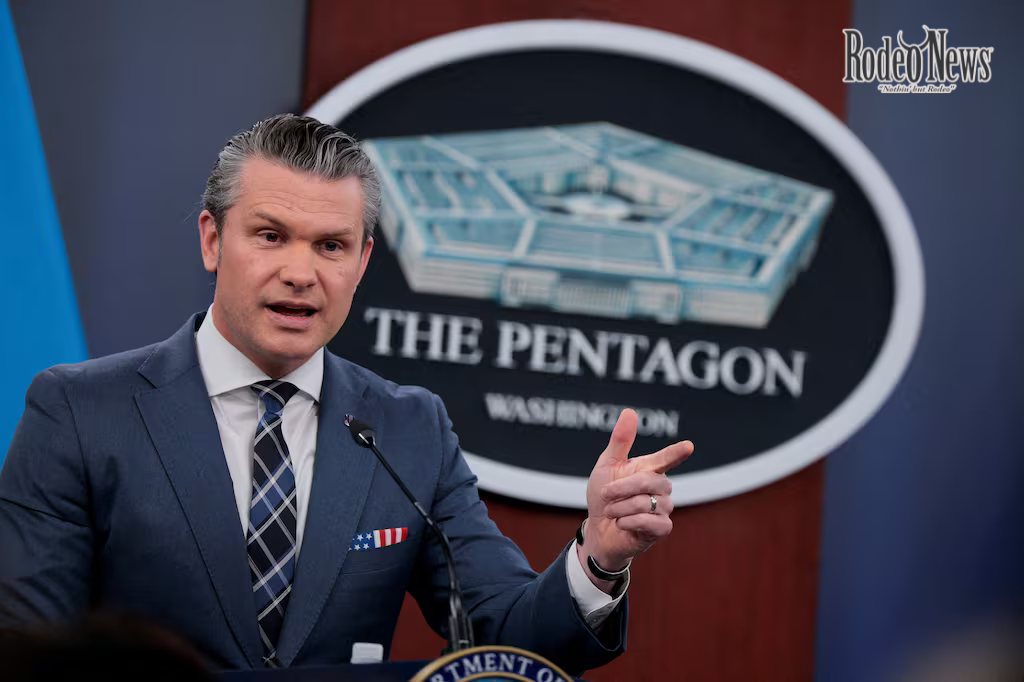
The Hegseth firearms policy is reshaping how weapons are handled across US military installations in 2026. In a controversial move, Defense Secretary Pete Hegseth signed a memo allowing service members to request permission to carry personal firearms on military bases—something that had long been tightly restricted.
The decision marks a dramatic shift in Pentagon policy and has sparked intense debate across political, military, and public safety circles. Supporters argue it enhances protection for troops, while critics warn it could increase risks, including suicide and accidental violence.
This article explores what the Hegseth firearms policy means, why it was introduced, and how it could impact military life moving forward.
What Is the Hegseth Firearms Policy?
The Hegseth firearms policy stems from a newly signed directive that loosens restrictions on privately owned weapons within military installations.
Under the new rules:
- Service members can request permission to carry personal firearms on base
- Commanders are instructed to treat requests with a presumption of approval
- Any denial must be explained clearly in writing
- Firearms must still be registered and securely stored
Previously, military personnel were generally prohibited from carrying personal firearms unless under very specific circumstances, such as training or law enforcement duties.
The new policy effectively reverses that approach, making access easier rather than exceptional.
Why the Policy Was Introduced
1. Response to Rising Security Concerns
A key driver behind the Hegseth firearms policy is concern over past violent incidents on military bases.
Hegseth cited multiple shootings—including incidents at bases in Georgia and New Mexico—as evidence that troops may be vulnerable without immediate access to weapons.
He emphasized that in such situations, “minutes are a lifetime,” suggesting armed personnel could respond faster to threats.
2. Framing Bases as “Gun-Free Zones”
Hegseth argued that existing rules effectively turned military bases into “gun-free zones,” leaving service members exposed.
Under previous regulations:
- Most troops were unarmed outside official duties
- Personal firearms were heavily restricted
- Weapons were often kept in controlled storage
The new policy aims to change that dynamic by allowing trained military personnel to defend themselves if necessary.
3. Second Amendment Argument
Another major justification for the Hegseth firearms policy is constitutional.
Hegseth stated that service members, despite their military roles, should still be able to exercise their Second Amendment rights like any other American.
This framing has resonated strongly with gun rights advocates, who have long pushed for fewer restrictions on firearms.
How the Policy Works in Practice
Presumed Approval System
One of the most significant changes is the introduction of a “presumed approval” system.
Instead of needing strong justification to carry a firearm:
- Requests are expected to be approved
- Commanders must justify any denial
This flips the traditional approval process and could lead to a substantial increase in armed personnel on bases.
Continued Oversight and Rules
Despite the relaxed restrictions, the Hegseth firearms policy still includes safeguards:
- Firearms must be registered with base authorities
- Weapons must be stored in secure containers
- All users must follow existing legal requirements
This ensures that while access is easier, it is not completely unrestricted.
Alignment With State Laws
The policy also requires compliance with state and local gun laws.
This means:
- Permit requirements still apply
- Restrictions on weapon types remain
- Ammunition limits must be respected
As a result, the policy may be implemented differently depending on the location of each military installation.
Supporters Say It Improves Safety
Supporters of the Hegseth firearms policy believe it enhances security and preparedness.
They argue that:
- Service members are already highly trained in weapon use
- Armed personnel can respond faster to threats
- The policy could deter potential attackers
Additionally, some families of victims of past incidents have expressed support, suggesting that armed individuals might have prevented tragedies.
Critics Warn of Serious Risks
Increased Suicide Risk
One of the most significant concerns raised by critics is the potential for increased suicide rates.
Data shows that many military suicides involve personally owned firearms, not military-issued weapons. Expanding access could therefore worsen an already serious issue.
Accidental and Escalated Violence
Opponents also warn that more firearms on base could lead to:
- Accidental discharges
- Escalation of conflicts between personnel
- Increased domestic violence incidents
Military bases are complex environments where stress levels can be high, making firearm access a sensitive issue.
Security Complications
Some experts argue that military bases are already among the most secure locations in the country.
They warn that introducing more personal firearms could:
- Complicate law enforcement responses
- Make it harder to identify threats
- Increase confusion during emergencies
A Break From Decades of Policy
The Hegseth firearms policy represents a major departure from long-standing military rules.
For over two decades:
- Personal firearms were tightly restricted
- Only specific personnel carried weapons
- Bases were designed as controlled environments
The new directive fundamentally changes that philosophy by prioritizing individual access over centralized control.
Political and Cultural Impact
The policy also reflects broader political trends in the United States.
It aligns with:
- Strong support for gun rights
- Efforts to reduce firearm restrictions
- A shift toward individual responsibility for safety
At the same time, it has intensified national debates about the balance between freedom and security.
What Happens Next?
The long-term impact of the Hegseth firearms policy will depend on how it is implemented.
Key questions include:
- How many service members will request to carry firearms
- How often commanders will deny requests
- Whether incidents involving firearms increase
Because the policy allows for local discretion, its effects may vary across different bases.
Conclusion: A Defining Moment for Military Policy
The Hegseth firearms policy is one of the most significant changes to US military regulations in recent years.
Supporters see it as empowering troops and improving safety. Critics warn it could introduce new risks that outweigh the benefits.
As the policy rolls out nationwide, its real-world consequences will shape not only military operations but also the broader conversation about gun rights and public safety in America.