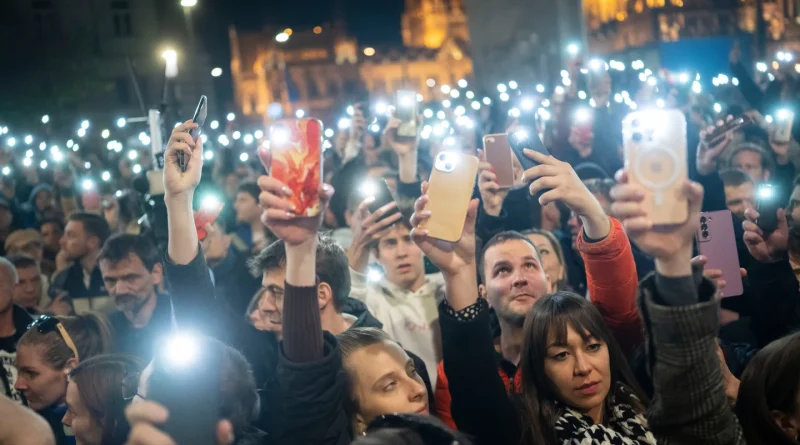
Hungary Election Youth Voters: A Shocking Political Shift
The Hungary Election Youth Voters phenomenon is rapidly transforming the country’s political landscape, posing the most serious challenge to Prime Minister Viktor Orbán in over a decade.
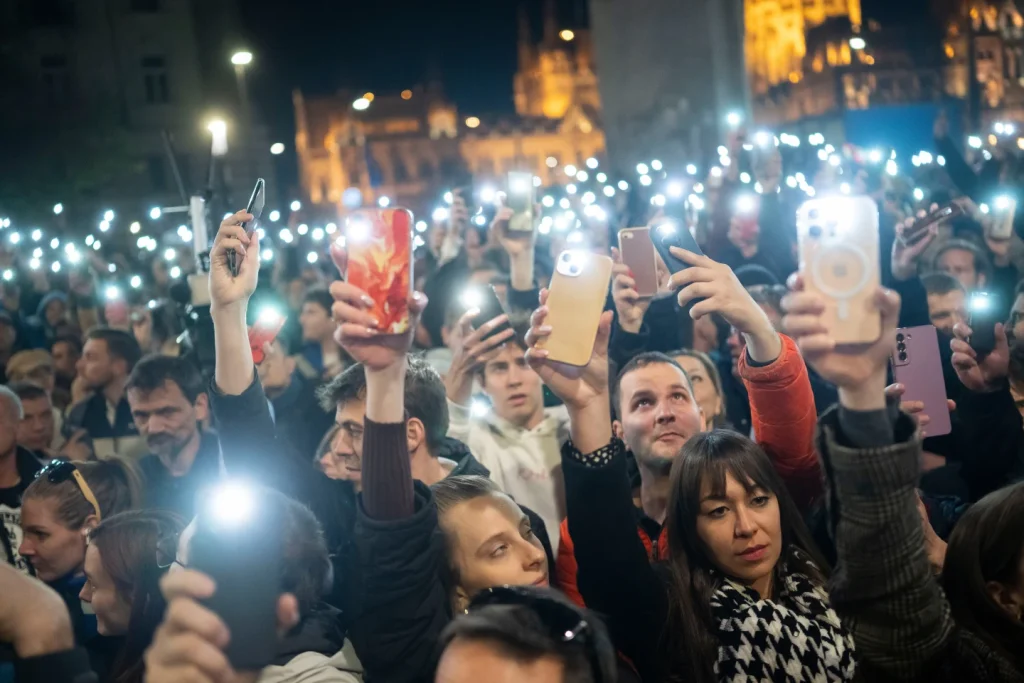
As Hungary approaches its crucial April 12, 2026 parliamentary election, a powerful generational shift is underway. Young voters—many of whom have lived their entire lives under Orbán’s leadership—are now emerging as a decisive political force, reshaping the future of the nation.
This election is no longer just about policies or parties—it is about a generational divide that could redefine Hungary’s political identity.
A 16-Year Rule Under Pressure
Since returning to power in 2010, Viktor Orbán has dominated Hungarian politics through his Fidesz party. His leadership has been marked by nationalist policies, strong central control, and a controversial shift toward what critics describe as “illiberal democracy.”
However, the 2026 election presents his toughest test yet.
According to multiple reports, opposition forces are gaining momentum, particularly among younger voters. Polls indicate that Orbán’s party is trailing behind the rising opposition, signaling a dramatic shift in public sentiment.
This is a stark contrast to previous elections, where Fidesz maintained a strong and stable voter base across the country.
The Rise of a Youth-Driven Opposition
At the center of this transformation is Péter Magyar, a former insider who broke away from Orbán’s political circle and launched the Tisza party.
Magyar has successfully tapped into growing dissatisfaction among Hungary’s youth.
Recent data shows overwhelming support for his movement among voters under 30, with many young Hungarians backing his promise of transparency, reform, and stronger ties with Europe.
This surge is not accidental—it reflects years of underlying frustration.
Young voters are increasingly concerned about:
- Corruption and lack of transparency
- Limited economic opportunities
- Hungary’s strained relationship with the European Union
- Restrictions on media and institutions
For many, this election represents their first real opportunity to challenge a system they have known their entire lives.
A Generational Divide in Hungarian Politics
The Hungary Election Youth Voters trend highlights a growing divide between generations.
Younger Voters
- Strongly support reform and European integration
- Demand accountability and transparency
- Favor economic modernization
Older Voters
- Remain loyal to Orbán’s policies
- Support stability and traditional values
- Benefit from government welfare programs
This divide is reshaping political strategies across the country.
While Orbán continues to focus on policies aimed at retirees and families, these efforts have struggled to resonate with younger citizens.
The Impact of Scandals and Economic Pressures
Several factors have accelerated the youth-driven political shift.
One major turning point was a high-profile political scandal involving a controversial presidential pardon, which triggered widespread protests and mobilized young voters across Hungary.
At the same time, economic challenges have added to the dissatisfaction.
Hungary has faced:
- Rising inflation
- Slowing economic growth
- Reduced access to EU funds
These issues have disproportionately affected younger generations, many of whom are struggling with job opportunities and living costs.
Orbán’s Strategy: Stability vs Change
Despite the growing opposition, Viktor Orbán remains a formidable political figure.
His campaign strategy focuses on:
- National sovereignty
- Anti-immigration policies
- Traditional values
- Stability in uncertain times
Orbán has also leveraged his international alliances, receiving support from prominent right-wing leaders across Europe and beyond.
However, critics argue that his approach no longer resonates with younger voters, who are more globally connected and politically aware.
A Tight and Unpredictable Election
Despite strong momentum for the opposition, the outcome of the election remains uncertain.
Hungary’s political system presents challenges for challengers, including:
- Electoral structures that favor the ruling party
- Strong media influence
- Deep-rooted political networks
Even with a lead in polls, opposition parties must secure a significant margin to win a governing majority.
Analysts warn that this election could be one of the most closely contested in Hungary’s modern history.
Why Youth Voters Matter More Than Ever
The significance of the Hungary Election Youth Voters movement cannot be overstated.
For the first time in years:
- Young voters are highly mobilized
- Political engagement is increasing
- Grassroots movements are gaining traction
This shift represents more than just an election—it signals a long-term transformation in Hungarian politics.
Political experts suggest that even if Orbán retains power, the rise of youth engagement will continue to influence future elections and policy decisions.
The Broader European Impact
Hungary’s election is not just a domestic issue—it has implications for the entire European Union.
A victory for Péter Magyar could:
- Strengthen Hungary’s ties with the EU
- Unlock frozen EU funding
- Shift the country’s foreign policy direction
On the other hand, another term for Viktor Orbán could reinforce Hungary’s current trajectory, including its controversial stance toward Russia and EU policies.
A Turning Point for Hungary’s Future
The 2026 election represents a pivotal moment.
For young voters, it is a chance to redefine their country’s future.
For Orbán, it is a test of whether his long-standing political model can withstand a new generation of challengers.
And for Hungary, it is a crossroads between continuity and change.
Conclusion: The Power of a New Generation
The Hungary Election Youth Voters surge marks one of the most significant political developments in the country’s recent history.
After 16 years of dominance, Viktor Orbán is facing a challenge unlike any before—one driven not by traditional political rivals, but by an energized and determined younger generation.
Whether this movement leads to immediate change or gradual transformation, one thing is clear:
Hungary’s political future will no longer be decided without its youth.