Pope Leo War Message Sparks Global Reaction
Pope Leo war message has sent shockwaves across the world after the pontiff declared that God rejects the prayers of leaders who wage war. Delivered during a major religious gathering at the Vatican, the statement comes at a time of escalating global conflict, particularly in the Middle East.
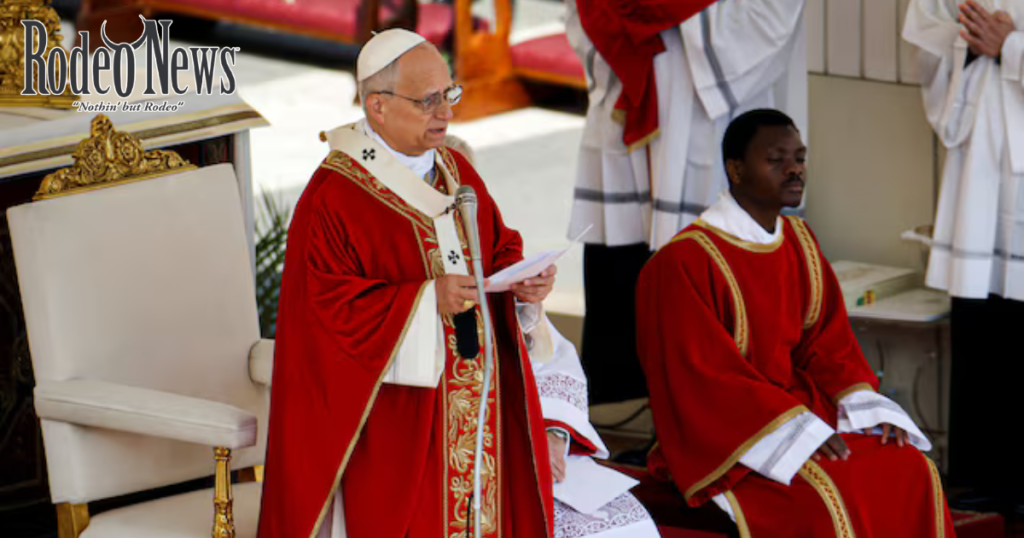
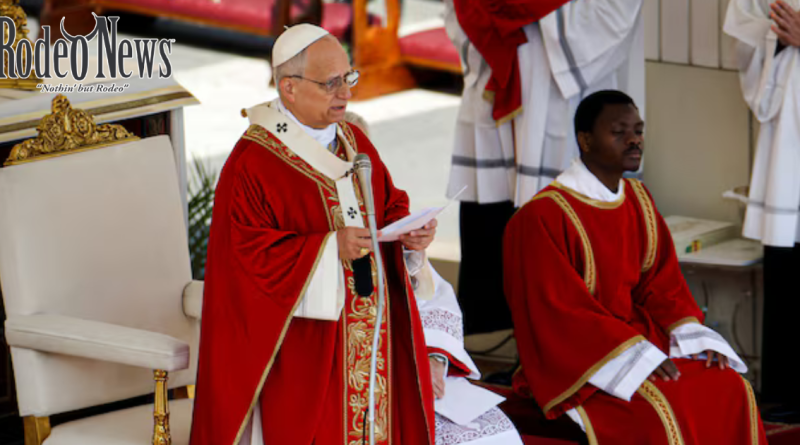
The remarks were unusually direct. Speaking before tens of thousands in St. Peter’s Square during Palm Sunday, Pope Leo condemned ongoing violence and warned against using religion to justify war.
This message is already being interpreted as one of the strongest moral statements against modern warfare from the Vatican in recent years.
A Powerful Statement from the Vatican
The Pope’s message centered on a clear and uncompromising idea: faith cannot be used to legitimize violence. He described God as a “King of Peace” and emphasized that religious belief should never serve as a tool for war.
During his address, Pope Leo referenced scripture to reinforce his point. He warned that prayers from those responsible for violence would not be accepted, especially when their actions cause suffering and death.
Importantly, the Pope did not name specific leaders. However, the timing of his remarks strongly connects them to the ongoing Iran war, which has entered a dangerous phase.
Context: The Escalating Iran War
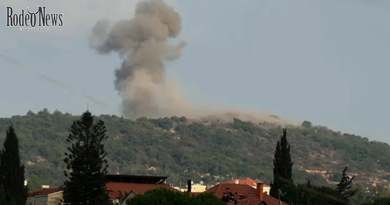
The Pope’s statement comes amid intensifying conflict involving Iran and global powers. The war has already caused widespread destruction, civilian casualties, and rising geopolitical tensions.
Recent military actions, including airstrikes and retaliatory attacks, have increased fears of a broader regional war. As the situation worsens, calls for ceasefire and diplomacy are growing louder.
Pope Leo has consistently expressed concern about the conflict. In previous statements, he described the violence as “atrocious” and urged leaders to pursue peace instead of escalation.
Rejecting Religion as a Justification for War
A central theme of the Pope Leo war message is the rejection of religious justification for violence. This stance directly challenges narratives used by some political leaders who frame military actions in moral or religious terms.
According to the Pope, such interpretations distort the core teachings of faith. Christianity, he emphasized, is rooted in peace, compassion, and sacrifice—not conflict.
This message resonates beyond the Catholic Church. It speaks to a broader global audience concerned about the misuse of religion in political and military contexts.
Impact on Global Leaders and Politics
Although no leaders were mentioned by name, the message carries significant political implications. It indirectly criticizes those who support or initiate military action while invoking religious values.
This includes rhetoric seen in recent conflicts, where leaders have used faith-based language to justify decisions. The Pope’s remarks challenge this approach and call for a re-examination of moral responsibility.
Moreover, the statement highlights the growing role of religious institutions in global discourse. While not directly involved in politics, the Vatican continues to influence public opinion and ethical debates.
Humanitarian Concerns at the Core
Another key aspect of the Pope Leo war message is its focus on human suffering. The pontiff drew attention to the impact of war on civilians, particularly vulnerable communities.
He noted that many people in conflict zones are unable to observe important religious events due to violence. This includes Christians in the Middle East who are facing increasing hardship.
The humanitarian dimension of the conflict adds urgency to the Pope’s call for peace. It shifts the conversation from political strategy to human consequences.
Calls for Immediate Ceasefire
Pope Leo has repeatedly urged for a ceasefire in the ongoing conflict. His latest message reinforces this position, emphasizing the need for immediate action.
He has also criticized indiscriminate military tactics, including airstrikes that affect civilian populations. These concerns align with broader international calls for restraint and dialogue.
Despite these appeals, achieving a ceasefire remains challenging. Political interests, strategic considerations, and mutual distrust continue to hinder progress.
A Broader Vision of Peace
The Pope Leo war message is not just a reaction to a single conflict. It reflects a broader vision of global peace and cooperation.
The pontiff has consistently advocated for dialogue over violence. He believes that lasting solutions can only be achieved through understanding and compromise.
This perspective is particularly relevant in today’s world, where conflicts are increasingly complex and interconnected.
Reactions from Around the World
The Pope’s statement has sparked reactions from various quarters. Religious leaders, political analysts, and the general public have all weighed in on its significance.
Many have praised the clarity and moral authority of the message. Others see it as a necessary reminder of the ethical dimensions of political decisions.
At the same time, some critics argue that such statements have limited practical impact. They point out that geopolitical conflicts are driven by factors beyond moral considerations.
The Role of the Vatican in Modern Conflicts
The Vatican has long played a role in promoting peace and dialogue. While it does not have military or economic power, its influence lies in moral authority.
Pope Leo’s message continues this tradition. By speaking out against war, the Vatican seeks to shape global discourse and encourage peaceful solutions.
This role is particularly important in times of crisis. It provides a voice that prioritizes ethics and humanity over strategic interests.
Challenges in Turning Words into Action
Despite the strength of the Pope Leo war message, translating it into concrete action remains a challenge. Diplomatic efforts are ongoing, but progress is slow.
Conflicts like the Iran war involve multiple actors with competing interests. This makes it difficult to achieve consensus on solutions.
However, moral leadership can still play a role. It can influence public opinion, encourage dialogue, and create pressure for change.
Conclusion: A Message That Resonates Beyond Religion
Pope Leo war message stands as a powerful reminder of the human cost of conflict and the importance of ethical leadership. By declaring that God rejects the prayers of those who wage war, the Pope has taken a clear moral stance.
This message goes beyond religion. It speaks to universal values of peace, compassion, and responsibility.
As the world continues to grapple with conflict and uncertainty, such voices remain essential. They challenge leaders and citizens alike to reconsider the path forward.
Whether this message leads to tangible change remains to be seen. However, its impact on global discourse is undeniable.