Oil Prices Iran Crisis: A Global Energy Shock Unfolds
The oil prices Iran crisis has rapidly become one of the most significant economic stories of 2026, sending shockwaves through global markets and raising fears of a prolonged energy crisis. Triggered by escalating conflict in the Middle East involving Iran and military actions linked to Donald Trump, the situation has disrupted oil supply chains, pushed gas prices higher, and created widespread uncertainty.
In just a matter of weeks, crude oil prices have surged dramatically, with analysts warning that the crisis could rival or even exceed past global energy shocks. The ripple effects are already being felt—from rising fuel costs at the pump to inflationary pressure across economies worldwide.
Why the Oil Prices Iran Crisis Is Happening
The oil prices Iran crisis is rooted in a combination of military escalation, supply disruptions, and geopolitical uncertainty.
1. Conflict Disrupting Energy Infrastructure
Since late February 2026, attacks on oil fields, refineries, and gas facilities have intensified across the region. Key infrastructure has been damaged, reducing production capacity and limiting exports.
In some cases, entire facilities have been forced offline, creating bottlenecks in supply that are difficult to replace quickly.
2. Strait of Hormuz Under Threat
One of the most critical factors driving the oil prices Iran crisis is the instability in the Strait of Hormuz. This narrow waterway handles about 20% of global oil and gas shipments, making it one of the most important energy corridors in the world.
Any disruption—whether through military action or shipping restrictions—can immediately impact global supply and push prices higher.
3. Market Panic and Speculation
Markets react quickly to uncertainty. As tensions rise, traders anticipate shortages and bid up prices. This psychological effect amplifies the actual supply disruption, leading to rapid price spikes.
How Much Oil Prices Have Increased
The oil prices Iran crisis has already caused dramatic increases in energy costs.
- Oil prices have surged 40–60% since the conflict began
- Brent crude has traded above $100–$110 per barrel
- In extreme scenarios, analysts warn prices could reach $150–$200 per barrel if the conflict escalates further
These increases are not just numbers on a chart—they translate directly into higher costs for transportation, manufacturing, and everyday goods.
7 Shocking Impacts of the Oil Prices Iran Crisis
1. Gas Prices Surge Worldwide
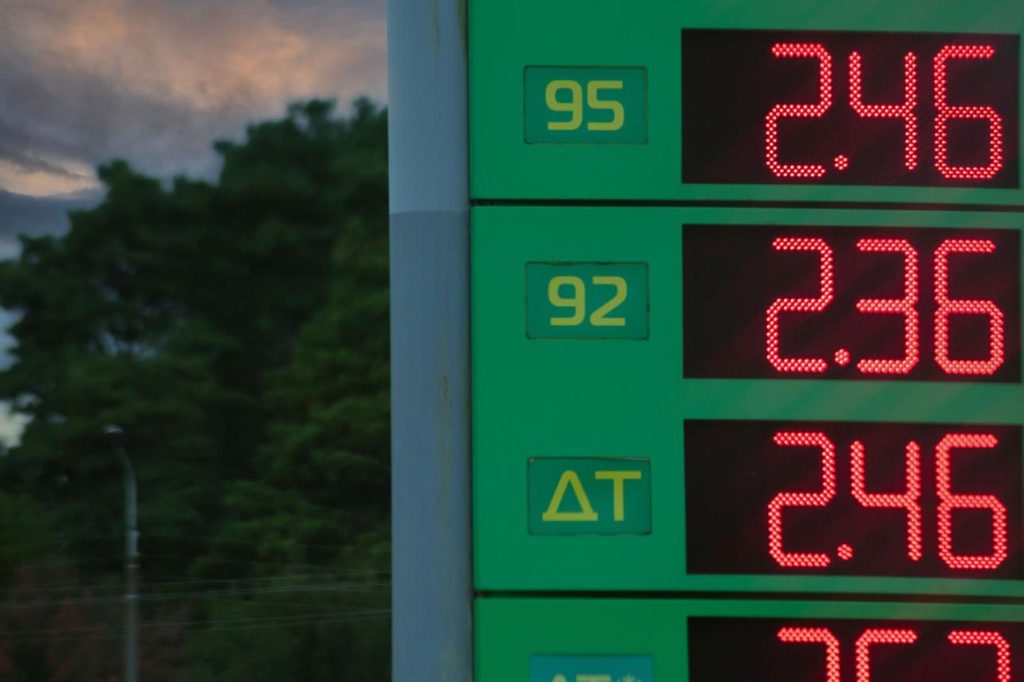
One of the most immediate effects of the oil prices Iran crisis is higher fuel costs.
In the United States, gas prices have climbed close to $4 per gallon, while other countries are seeing even sharper increases.
In some regions, fuel prices have risen by more than 50%, placing pressure on households and businesses.
2. Inflation Is Rising Again
Higher oil prices feed directly into inflation. As fuel becomes more expensive, so do transportation, food, and manufacturing costs.
Economists now expect inflation to rise significantly in 2026, reversing earlier progress in stabilizing prices.
3. Global Markets Are Volatile
Stock markets have reacted sharply to the oil prices Iran crisis.
Major indices have seen significant drops as investors worry about economic slowdown and rising costs.
Meanwhile, energy stocks have surged, reflecting increased profits for oil producers.
4. Supply Shortages Threaten Economies
Disruptions in oil supply are creating shortages in key markets.
Analysts warn that up to 13–14 million barrels per day could be lost if the conflict worsens.
This could lead to rationing, reduced industrial output, and slower economic growth.
5. Asia Faces the Biggest Impact
Asian countries are particularly vulnerable to the oil prices Iran crisis because they rely heavily on Middle Eastern energy imports.
Many nations are already tapping into emergency reserves and implementing energy-saving measures to cope with rising costs.
6. Governments Are Taking Emergency Actions
In response to the crisis, governments around the world are introducing measures such as:
- Releasing strategic oil reserves
- Encouraging reduced energy consumption
- Adjusting work schedules to save fuel
These steps highlight the severity of the situation.
7. Long-Term Energy Uncertainty
Even if the conflict ends soon, the oil prices Iran crisis could have lasting effects.
Damaged infrastructure may take years to repair, keeping supply tight and prices elevated for an extended period.
Short-Term Relief vs Long-Term Risk
Interestingly, oil prices have shown some volatility, occasionally dropping when there are signs of de-escalation.
For example, temporary pauses in military actions have led to short-term declines in prices.
However, experts warn that these dips are fragile. The overall trend remains upward as long as uncertainty persists.
Economic Consequences Beyond Energy
The oil prices Iran crisis is not just an energy issue—it is a global economic challenge.
Impact on Food Prices
Higher fuel costs increase the price of transporting food, leading to rising grocery bills worldwide.
Impact on Industry
Manufacturing and logistics sectors are facing higher operating costs, which could slow production and reduce profits.
Impact on Developing Countries
Emerging economies are particularly vulnerable, as they have less capacity to absorb rising energy costs.
Internal and External Links (SEO Optimization)
For more global economic analysis:
👉 https://yourwebsite.com/global-economy-trends
External references:
- International Energy Agency (iea.org)
- U.S. Energy Information Administration (eia.gov)
These sources provide deeper insights into global energy markets and trends.
The Bigger Picture: A Turning Point for Energy Markets
The oil prices Iran crisis could mark a turning point in global energy dynamics.
Countries may accelerate the transition to renewable energy to reduce dependence on volatile fossil fuel markets. At the same time, geopolitical risks will likely remain a key factor in energy pricing.
Conclusion
The oil prices Iran crisis is a powerful reminder of how interconnected the global economy is. A conflict in one region can quickly ripple across the world, affecting everything from fuel prices to inflation and economic growth.
As the situation continues to evolve, governments, businesses, and consumers must adapt to a new reality of uncertainty and rising costs.
Whether the crisis stabilizes or escalates further will determine the future of global energy markets—but one thing is clear: the impact is already being felt everywhere.