Gold Prices Hold Steady but Head for Deep Weekly Loss as Iran War Shakes Rate Cut Outlook
Gold steadies after volatile week but losses deepen
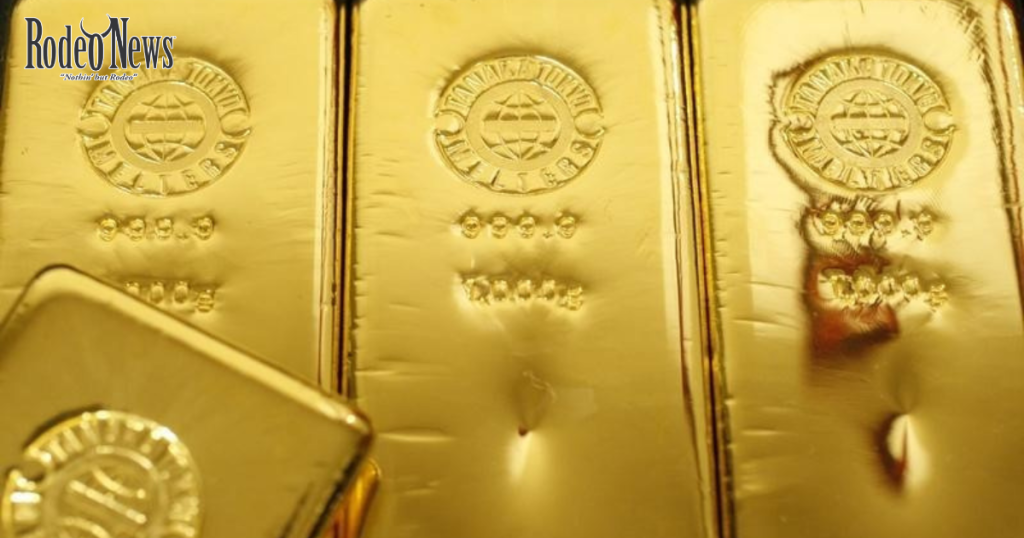
Gold prices steadied on Friday after a turbulent week, yet remained on track for one of their steepest weekly declines in recent months, as geopolitical tensions and shifting monetary policy expectations rattled global markets.
Spot gold hovered near recent lows after falling sharply in previous sessions, with investors reassessing the metal’s traditional role as a safe-haven asset. Despite heightened uncertainty stemming from the ongoing Iran conflict, bullion failed to attract sustained buying interest.
The muted rebound reflects a broader shift in market sentiment, where macroeconomic forces—particularly interest rate expectations—are outweighing geopolitical demand.
Iran conflict reshapes market dynamics
The ongoing conflict involving Iran has sent shockwaves across global commodity markets, particularly through energy channels. Oil prices have surged amid disruptions to supply routes, fueling inflation concerns worldwide.
Rising energy costs are now seen as a key factor dampening expectations for interest rate cuts by major central banks, especially the U.S. Federal Reserve.
Traditionally, gold benefits during times of geopolitical instability. However, the current environment has complicated that narrative. Instead of driving investors toward bullion, the crisis is reinforcing inflation fears—prompting central banks to maintain higher interest rates for longer.
As a result, gold’s appeal as a non-yielding asset has weakened significantly.
Higher-for-longer rate outlook pressures gold
Analysts say the primary driver behind gold’s decline is the shift in expectations around monetary policy.
The Federal Reserve and other central banks have signaled caution, emphasizing that persistent inflation—exacerbated by rising oil prices—may delay or reduce the scale of anticipated rate cuts.
Higher interest rates typically weigh on gold because they increase the opportunity cost of holding non-yielding assets. Investors, in turn, tend to favor yield-bearing instruments such as bonds or dollar-denominated assets.
This dynamic has been further amplified by a stronger U.S. dollar, which makes gold more expensive for buyers using other currencies and reduces global demand.
Recent data shows gold prices have fallen sharply, with some sessions recording drops of over 4%, pushing the metal to its lowest level in more than a month.
Safe-haven demand shifts toward the dollar
Another notable trend this week has been the shift in safe-haven demand away from gold and toward the U.S. dollar.
Historically, gold has been the asset of choice during geopolitical crises. But in the current environment, investors appear to be prioritizing liquidity and yield, both of which favor the dollar.
Market participants are increasingly betting that inflation risks tied to the conflict will keep U.S. monetary policy tighter for longer. This has strengthened the dollar and further pressured gold prices.
Some analysts note that this divergence marks a break from past crises, where gold rallied strongly alongside geopolitical tensions.
Weekly losses highlight changing investor sentiment
Gold is now on track for a significant weekly loss, extending a broader downward trend that began earlier this month.
The metal has fallen sharply from its recent highs, reflecting a combination of profit-taking, stronger currency dynamics, and a recalibration of macroeconomic expectations.
Market data indicates gold has dropped for multiple consecutive sessions, signaling sustained bearish momentum.
This shift suggests that investors are no longer viewing geopolitical risk alone as sufficient justification to hold gold, especially when faced with a higher-rate environment.
Outlook: volatility likely to persist
Looking ahead, analysts expect continued volatility in gold prices as markets navigate the uncertain trajectory of the Iran conflict and global monetary policy.
If energy prices remain elevated, inflation pressures could persist, reinforcing the “higher-for-longer” interest rate narrative. That would likely continue to weigh on gold in the near term.
However, some experts argue that prolonged geopolitical instability could eventually revive safe-haven demand, particularly if financial market stress intensifies.
For now, gold appears caught between two opposing forces: geopolitical risk that typically supports prices, and macroeconomic realities that are pushing them lower.
Conclusion
Gold’s performance this week underscores a shifting landscape in global markets, where traditional safe-haven dynamics are being challenged by inflation and interest rate concerns.
While prices have stabilized in the short term, the broader trend remains under pressure, with investors closely watching central bank signals and developments in the Middle East.
Until clearer direction emerges on both fronts, gold is likely to remain volatile—caught in the crosscurrents of war-driven inflation and monetary policy uncertainty.