Trump Pressures Allies to Secure Strait of Hormuz as Iran War Escalates
U.S. President Donald Trump is intensifying diplomatic pressure on global allies to help secure the strategically vital Strait of Hormuz, warning that the ongoing war with Iran threatens global energy supplies and international trade.
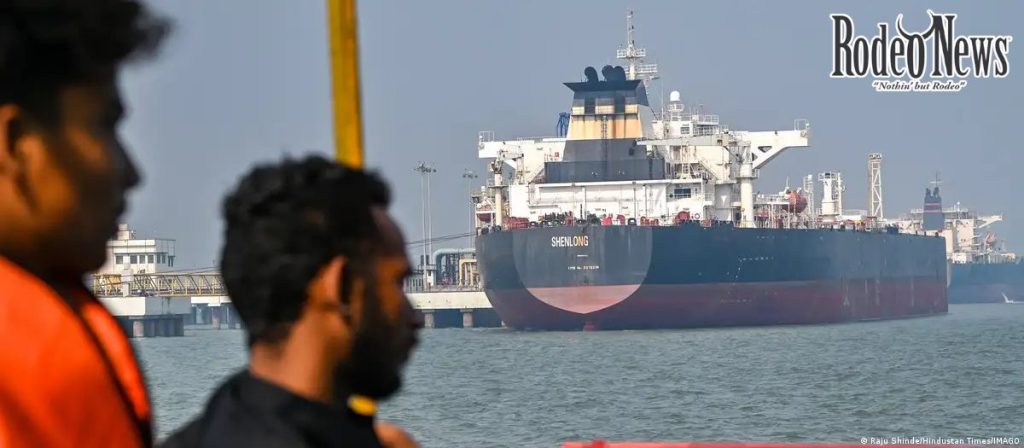
The narrow waterway linking the Persian Gulf to the Arabian Sea has become the focal point of the escalating conflict, with Iran effectively blocking or threatening shipping traffic following U.S. and Israeli strikes on Iranian targets earlier this year. The disruption has triggered sharp increases in oil prices and raised fears of a wider economic shock.
A Strategic Chokepoint for Global Energy
The Strait of Hormuz is one of the most critical maritime routes in the world. Roughly 20% of global oil shipments pass through the strait, making it essential for energy supplies flowing from the Middle East to markets in Asia, Europe, and beyond.
Since the outbreak of the 2026 Iran war, maritime traffic through the strait has plummeted. Many shipping companies have halted operations due to security concerns, while dozens of vessels have been forced to wait outside the area amid threats of attacks and naval mines.
Insurance costs for ships entering the region have also surged dramatically, adding further pressure on global trade.
Trump Calls for a Naval Coalition
Speaking during the third week of the conflict, Trump called on several countries to contribute naval forces to protect the shipping lanes and escort commercial vessels through the Gulf.
Among the countries he has urged to participate are major energy consumers including China, Japan, South Korea, France, and the United Kingdom.
Trump has argued that nations dependent on Middle Eastern oil should take responsibility for safeguarding the route.
According to officials, Washington is seeking a multinational maritime coalition similar to past naval operations that protected shipping in the region during earlier crises.
However, responses from potential partners have been cautious, with several governments weighing the risks of becoming directly involved in the conflict.
Military Escalation in the Gulf
The tensions around the strait have intensified following a series of military strikes and retaliatory attacks.
Earlier in March, the United States carried out a major bombing raid targeting Iranian military facilities on Kharg Island, a key location tied to Iran’s naval operations and oil exports. The strikes reportedly hit more than 90 military targets.
Iran responded by threatening further disruptions to shipping and warning that vessels linked to the United States or its allies could become targets.
The U.S. military has also destroyed Iranian mine-laying vessels in the area and increased its naval presence in the Persian Gulf as tensions continue to rise.
Oil Markets React to the Crisis
The uncertainty surrounding the strait has already had major consequences for global energy markets.
Oil prices have surged above $100 per barrel, fueled by fears that prolonged disruption could cut off a significant portion of the world’s oil supply.
Energy analysts warn that if the strait remains closed or unsafe for shipping, the impact could rival past global energy crises.
Major importers in Asia — including China, Japan, and South Korea — are particularly vulnerable, as much of their oil supply passes through the waterway.
European markets are also feeling the strain, with rising fuel costs adding pressure to already fragile economic conditions.
Diplomatic Pressure Mounts
Trump has warned that allies must contribute more to the effort to reopen the strait, suggesting that the future of military alliances could be affected if countries fail to help secure the region.
At the same time, the White House has been discussing the creation of naval escort missions for commercial tankers, though the details of such operations remain unclear.
Some governments remain reluctant to commit forces, concerned about the risk of direct confrontation with Iran.
A Conflict With Global Consequences
The battle over the Strait of Hormuz underscores how the Iran war has rapidly expanded beyond a regional conflict into a crisis with global implications.
With energy markets on edge and international shipping routes under threat, the next steps taken by Washington, Tehran, and their allies could determine whether the situation stabilizes or escalates further.
For now, the narrow passage between Iran and Oman — only about 34 kilometers wide at its narrowest point — has become one of the most dangerous and strategically significant waterways in the world.
And as fighting continues across the region, the pressure to secure the strait — and prevent a global energy shock — is only growing.