Honor’s Humanoid Robot Steals the Show at MWC 2026 — Dancing, Backflips & AI Vision
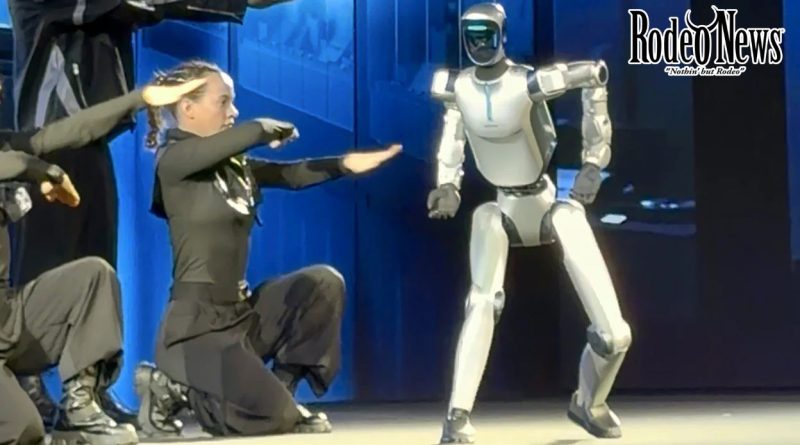
At Mobile World Congress (MWC) 2026 in Barcelona, Chinese tech brand Honor captivated the crowd not just with new smartphones and foldables, but with its first humanoid robot, which performed coordinated dance moves and even executed agile backflips onstage.
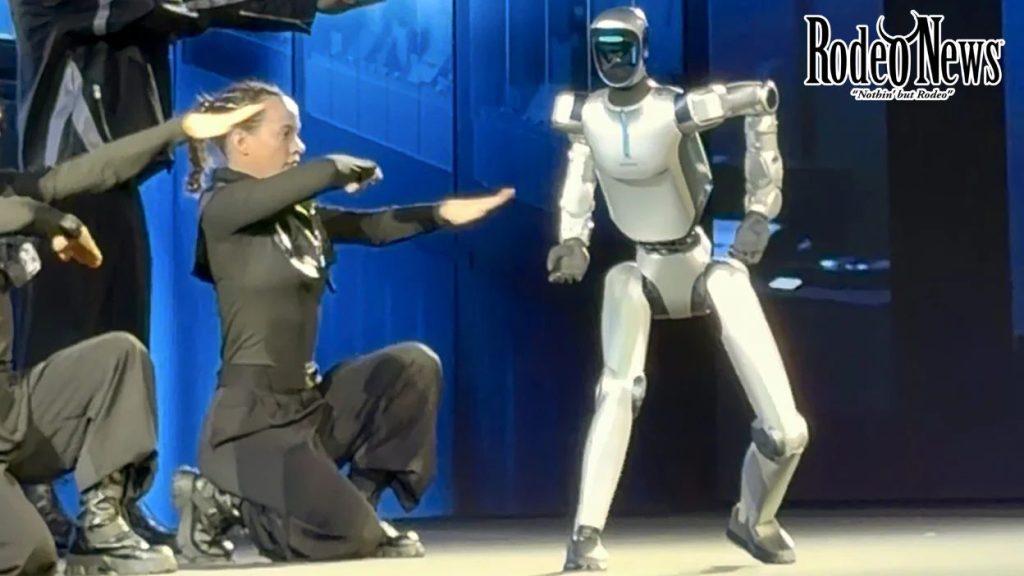
The robot’s lively demonstration — combining physical balance, programmed choreography, and electric movement — drew attention as one of the standout moments at the annual tech showcase. Unlike many robots intended solely for industrial or service roles, Honor’s prototype was presented as an entertaining, expressive embodiment of artificial intelligence and mechanical finesse.
A Robot That Dances and Backflips
During the March 1 demonstration — part of Honor’s larger unveiling of new AI-driven hardware — the humanoid machine showed off a range of moves atypical for early robot concepts. It executed a backflip, performed stylized dance steps reminiscent of a “moonwalk,” and even shared a handshake with a company executive in front of the MWC crowd.
These motions — traditionally challenging for bipedal robots due to the complex balance and coordination involved — highlighted how modern robotic engineering can blend performance with personality. The robot’s robust act signaled not just technical ambition but also an effort to make robotics engaging for wider audiences.
Honor did not announce commercial availability or detailed specifications for the robot during the event. Instead, the reveal served as a strategic statement: the company is expanding beyond smartphones into embodied AI experiences and machine intelligence that interacts with humans in new ways.
Part of a Broader AI Vision
The humanoid robot was just one element of Honor’s larger vision presented at MWC — a strategy termed Augmented Human Intelligence (AHI). Alongside the robot, Honor revealed its Robot Phone, a smartphone with a movable gimbal camera arm capable of expressive gestures and motions directed by AI, and the Magic V6 foldable device, part of a suite that also includes a high-end tablet and laptop.
James Li, Honor’s CEO, underscored that the company views robotics and AI as complementary to its mobile ecosystem, rather than separate ventures. By bringing together physical motion, human-centric AI, and smartphone-based experiences, Honor aims to shift how consumers perceive personal devices and intelligent machines.
The Pressure and Promise of Robotics
While robotic performers and humanoid prototypes have appeared at technology events before, Honor’s display comes at a time when interest in autonomous machines is accelerating. Competitors and researchers worldwide are racing to develop robots that can assist humans not just in factories, but in daily life — from companionship to hands-on help in homes and workplaces.
Yet dancing robots also stir conversation about practical utility. As spectators at MWC pointed out online, choreography and theatrical demonstrations can feel more like spectacle than substance. Critics argue that until robots can perform genuinely useful tasks — such as physical assistance or task automation — the novelty of backflips and moonwalks will remain that: a novelty.
Still, the sheer coordination required to execute dynamic movement programs signals progress. For Honor, this blend of performance, AI, and mechanical engineering is a stepping stone toward devices that might one day combine emotional expressiveness with real-world functionality.
What Comes Next
Honor’s humanoid robot at MWC 2026 sets the stage for further evolution in consumer robotics. While its immediate role is promotional and demonstrative, experts believe such prototypes help accelerate interest and investment in robotic AI at large.
As the year progresses, Honor may reveal additional capabilities or use cases for its robot, possibly alongside commercial hardware like the Robot Phone later in 2026. For now, the dancing and backflipping humanoid stands as a symbol of how far robotics has come — and how far it still has to go before ubiquity outside the presentation floor.