Behind the Scenes: How Trump Chose to Launch War on Iran
By [Your Name], March 1, 2026
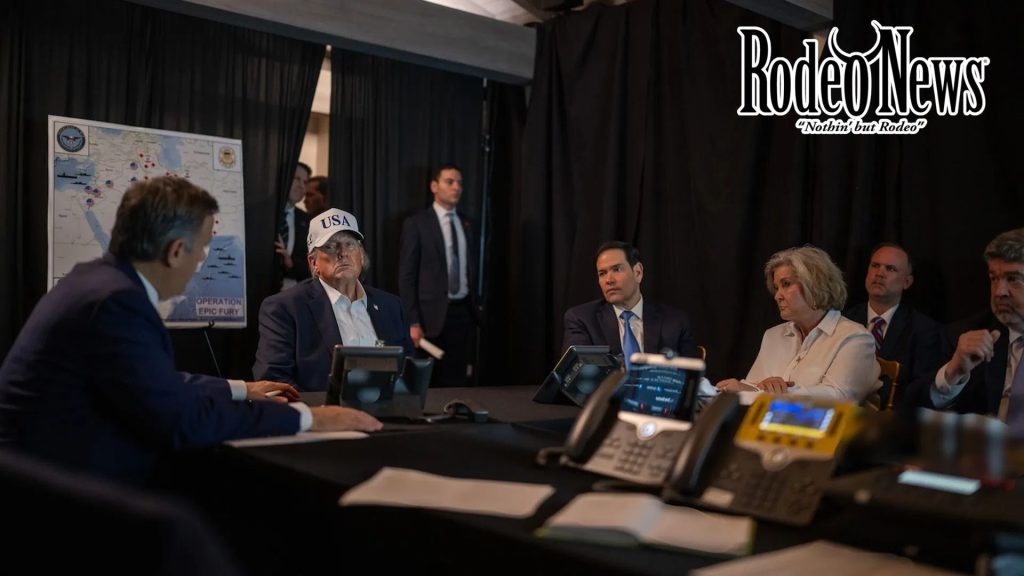
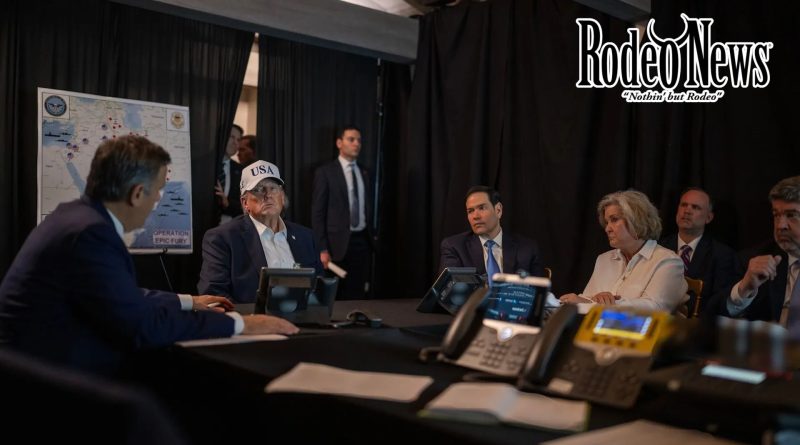
In a dramatic shift from negotiation to open conflict, US President Donald Trump opted for military action against Iran after weeks of parallel diplomatic efforts and mounting tension over Tehran’s nuclear program and regional influence. According to reporting by Axios, the decision to launch a full‑scale air campaign — dubbed Operation Epic Fury — was the culmination of two months of intense deliberations between diplomacy and war.
The joint US‑Israeli strikes that began early Saturday morning, and have since expanded across Iranian territory in retaliation, followed what administration officials described as a “dual track” approach. Trump maintained negotiations on one front while quietly preparing for a military offensive alongside Israeli forces on the other.
Diplomacy Running Parallel to War Planning
In early 2026, the Trump administration dispatched envoys to engage Iran in renewed talks aimed at curbing its nuclear activities. Senior White House envoys, including Jared Kushner and Steve Witkoff, traveled to Geneva and Oman last month to pursue agreement — even as US defense planners expanded troop and assets in the Middle East to their largest levels since the 2003 Iraq War.
Despite ongoing negotiations, the Axios report suggests that Trump and his advisers grew increasingly frustrated with perceived Iranian stalling tactics. Intelligence assessments indicated Tehran may have been rebuilding key nuclear facilities, strengthening the case among US strategists that diplomacy alone would not halt its nuclear ambitions.
A Moment Trump and Allies Were Waiting For
Israeli Prime Minister Benjamin Netanyahu played a decisive role in shaping the trajectory toward conflict. A key meeting between Trump and Netanyahu at Mar‑a‑Lago in January reportedly helped align strategic thinking between the two leaders. Israel’s military, already tracking movements of Iran’s leadership, advocated for joint action if diplomacy failed.
The timing of the strike was not accidental: U.S. and Israeli intelligence identified a routine gathering of Iranian leadership — including Supreme Leader Ayatollah Ali Khamenei — at a Tehran compound on Saturday morning. Strikes on these targets formed the initial phase of the operation.
Collapse of Negotiations and the Turn to Force
Axios describes how the diplomatic track essentially provided cover for larger military planning. Talks in Geneva continued through Thursday, but failed to produce meaningful concessions on nuclear enrichment, ballistic missiles or Tehran’s support for regional proxy groups — three pivotal sticking points for Washington.
According to U.S. officials, Tehran’s offers were seen in Washington as insufficient, even as some in the region, including Oman’s foreign minister, sought at the eleventh hour to salvage a deal. By Friday, however, the administration had decided military action was inevitable, and Trump signed off on Operation Epic Fury.
Trump’s Strategic Calculus
The US attack on Iran represents a stark departure from Trump’s earlier approach to foreign policy. Campaigning on a message of “America First” and restraint in foreign entanglements, he now presides over arguably the most significant military engagement since the Cold War era. Critics and supporters alike have pointed to the paradox of a leader once wary of extended overseas conflicts now ordering extensive combat operations.
Trump’s decision reflects a blend of strategic frustration with Iran’s negotiation tactics, pressure from key regional allies like Israel and Saudi Arabia, and a broader US objective to staunch Tehran’s perceived nuclear ambitions. The policy shift has already triggered regional retaliation and intense international debate over the legality and consequences of the strikes.
A Broader Regional Impact
As the United States and Israel continue their offensive, Iran has launched retaliatory missiles and drones targeting U.S. and allied bases across the Middle East. Explosions have been reported in several countries, forcing airline closures and raising fears of a larger conflict that could engulf the region.
European allies, while acknowledging concerns about Iran’s activities, have stressed they were not participants in the attack and called for a diplomatic resolution to avoid broader war.
A Defining Moment for U.S. Foreign Policy
President Trump’s choice to pursue military action marks a defining moment in his presidency and U.S. foreign policy. Whether the strategy will curb Iran’s capabilities and achieve long‑term stability — or instead draw the United States into a protracted conflict — remains uncertain. What is clear, however, is that diplomacy and battlefield strategy have now converged in one of the most significant geopolitical crises of the 21st century.