
Marco Rubio to Visit Israel Amid Rising US-Iran Tensions as Trump Criticizes Nuclear Talks
By [Your Name] | [Publication Name]
Published: February 28, 2026
United States Secretary of State Marco Rubio is set to travel to Israel next week as the Biden administration’s diplomatic efforts to ease tensions with Iran face growing challenges. The trip, scheduled for March 2–3, comes at a pivotal moment in the long-running standoff over Tehran’s nuclear ambitions and regional influence.
The announcement coincides with increasing frustration from President Donald Trump, who on Friday publicly expressed his displeasure with the progress of indirect nuclear negotiations between Washington and Tehran. Trump said he was “not happy” with how the talks were proceeding, leaving open the possibility of a more forceful U.S. response.
Diplomacy Amid Rising Regional Tensions
According to the U.S. State Department, Rubio’s visit to Israel will focus on discussions related to Iran, Lebanon, and broader regional priorities, including efforts to implement President Trump’s 20-point peace plan for Gaza. This marks Rubio’s fifth official trip to Israel since assuming office, underlining the importance Washington places on its strategic partnership with Jerusalem amid volatile Middle East dynamics.
The visit is unfolding against the backdrop of a recent third round of indirect talks between U.S. and Iranian negotiators held in Geneva, which ended without a breakthrough agreement on curbing Iran’s nuclear program. A follow-up round is expected in Vienna early next week, overlapping with Rubio’s transit and diplomatic engagements.
Trump’s Frustration with Negotiations
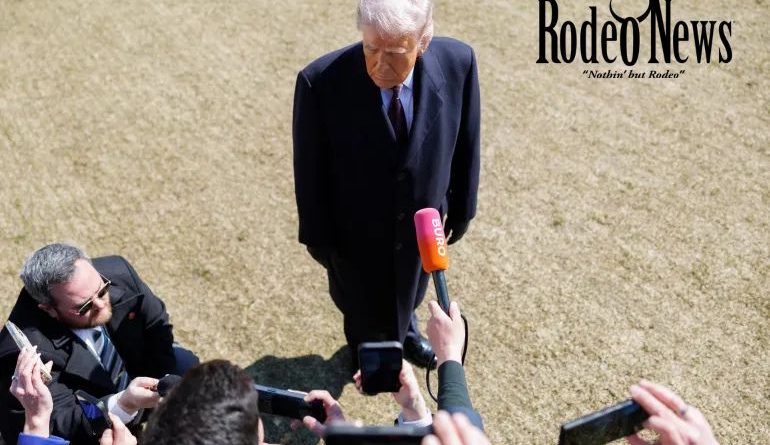
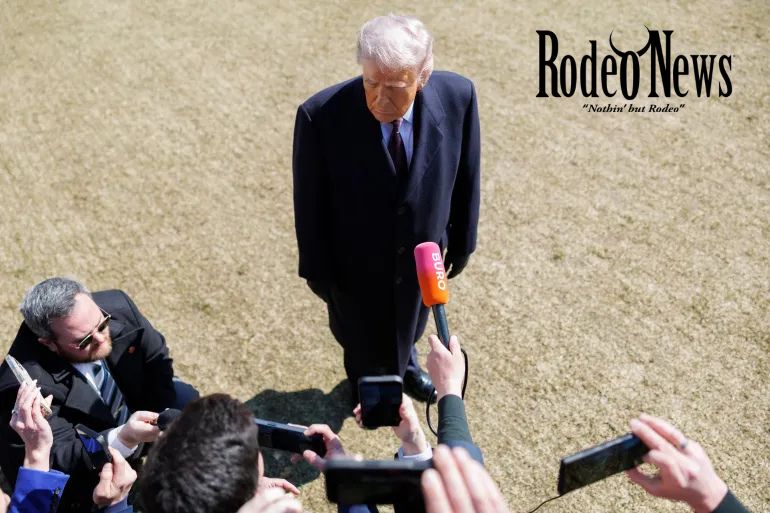
President Trump, speaking to reporters on Friday, reiterated his dissatisfaction with Iran’s negotiating stance. “I’m not happy with the way they’re going,” he said, adding that while he preferred diplomacy, military action remained an option if Tehran did not agree to stringent terms.
Trump criticized Iran’s reluctance to fully curtail its nuclear activities and said he would not accept reductions in uranium enrichment that still allow for significant nuclear capability. His comments fuel ongoing concerns that tensions could escalate, potentially drawing in military contingencies.
The president also acknowledged the risk of wider conflict should military action be pursued. “There’s always a risk,” he said when asked about the potential for a protracted Middle East war.
U.S. Embassy Advisories and Precautions
In a parallel development, the U.S. Embassy in Jerusalem issued an advisory authorizing non-essential staff and family members to leave Israel voluntarily, citing safety concerns related to the broader regional situation. U.S. Ambassador Mike Huckabee emphasized that those considering departure should “do so today,” though he reassured that “there is no need to panic.”
The embassy’s move follows similar travel advisories from other Western nations and reflects heightened uncertainty as diplomatic negotiations remain strained and geopolitical pressures mount.
Broader Context of US-Iran Relations
The U.S. government has also designated Iran as a “state sponsor of wrongful detention,” a classification highlighted by Rubio that targets Tehran’s treatment of foreign nationals as political leverage. This designation increases diplomatic pressure on Iran but falls short of altering broader nuclear negotiation dynamics.
Iran, for its part, continues to assert that its nuclear program is peaceful in nature and has called for Washington to moderate what it describes as “excessive demands.” Tehran has also insisted that it will respond to any military action, amplifying concerns among international observers about the risk of larger conflict.
What Comes Next
As Rubio prepares for high-stakes talks in Israel, the international community watches closely. The intertwined issues of Iran’s nuclear aspirations, U.S.–Israel strategic coordination, and the broader diplomatic push to avert war will define the coming days.
With further negotiations on the horizon and both Washington and Tehran under pressure from domestic and international constituencies, the outcome of these efforts — diplomatic or otherwise — remains uncertain.