Marco Rubio Visits Eastern Europe to Bolster Ties With Trump Allies
BRATISLAVA/BUDAPEST — U.S. Secretary of State Marco Rubio began a strategic two‑day diplomatic tour of Eastern Europe on Sunday, focused on strengthening relations with conservative leaders in Slovakia and Hungary who share close political ties with U.S. President Donald Trump. The visit comes on the heels of Rubio’s speech at the Munich Security Conference, where he urged European partners to embrace a renewed collective defense posture and warned of challenges to Western stability.
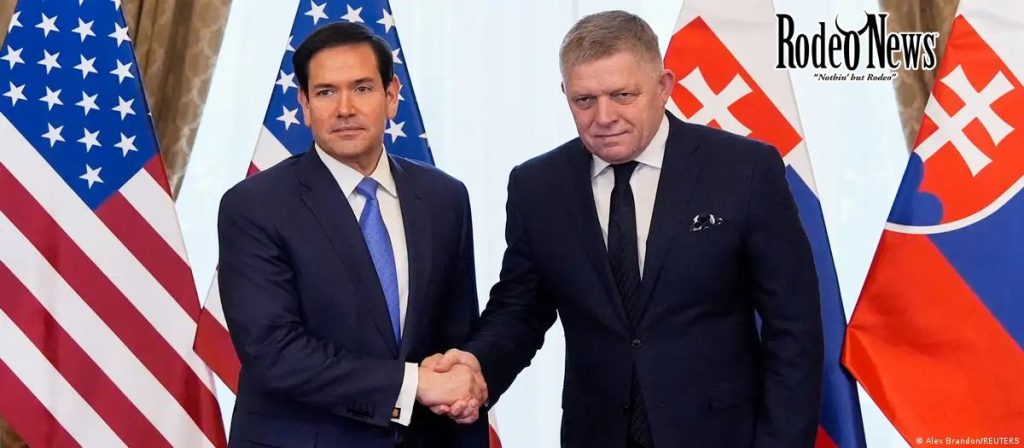
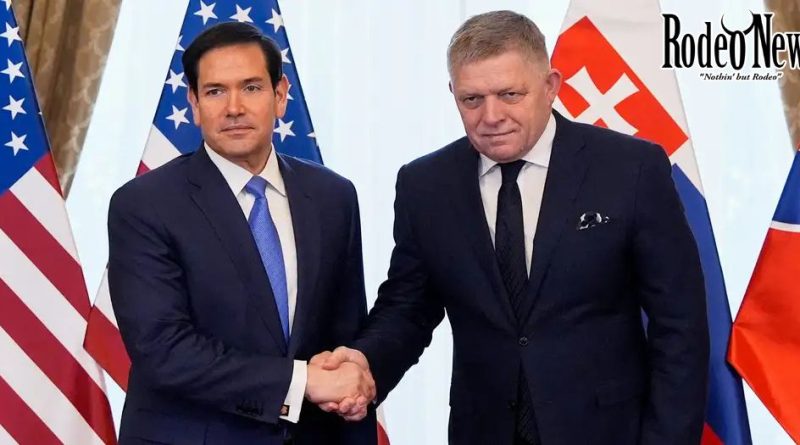
Arriving first in Slovakia’s capital Bratislava, Rubio met with President Peter Pellegrini and Prime Minister Robert Fico, a nationalist figure often outspoken in his support for Trump’s vision. Discussions in Bratislava centered on energy cooperation, defence collaboration and reaffirming commitments to NATO, according to Slovak officials.
“We want to work with Europe. We want to work with our allies,” Rubio told reporters during the Bratislava leg of the trip, pushing back against earlier criticisms that U.S. diplomacy aims to dominate its European partners. “We’re not asking Europe to be a vassal of the United States,” he said, stressing shared responsibility in confronting global threats.
Energy Cooperation and NATO Commitments
Central to Rubio’s agenda is the desire to deepen energy ties and reduce reliance on Russian fuel imports — a policy priority for Washington amid ongoing global tensions following Russia’s invasion of Ukraine in 2022. Both Slovakia and Hungary have continued importing Russian oil and gas, a stance that has sometimes put them at odds with broader European Union policy.
In Bratislava, Fico reaffirmed Slovakia’s interest in expanding cooperation with U.S. energy firms, including potential deals involving nuclear power technology. The broader energy discussion also touched on possible future acquisitions of U.S. defence equipment, including additional F‑16 fighter jets.
Meeting Hungary’s Viktor Orbán
After concluding talks in Slovakia, Rubio headed to Budapest to meet Hungarian Prime Minister Viktor Orbán on Monday. Orbán, a prominent conservative leader and outspoken critic of deeper EU integration, has maintained a close personal relationship with President Trump, whom he has publicly praised ahead of Hungary’s upcoming parliamentary elections.
The U.S. visit carries political significance for Orbán, whose nationalist Fidesz party is facing one of its most challenging election campaigns in years. Trump has endorsed the Hungarian leader, and Rubio’s high‑profile visit is widely seen as a gesture of support for a like‑minded regional partner.
Strategic Significance Amid EU Divisions
Rubio’s tour underscores the growing diplomatic emphasis within the Trump administration on cultivating relationships with European leaders who diverge from mainstream EU positions on issues such as Russian energy, immigration and foreign policy. Both Fico and Orbán have been critical of EU sanctions against Moscow and have called for alternative approaches to regional security, including earlier peace negotiations over the war in Ukraine.
The trip also highlights persistent strains within transatlantic relations. While Rubio has called for greater unity in defence and security cooperation, many EU leaders continue to push for autonomy in key strategic areas and resist aligning too closely with Washington’s broader geopolitical agenda.
A Balancing Act for U.S. Diplomacy
Rubio’s Eastern European tour comes at a moment when U.S.–EU ties are marked by both cooperation and tension. His engagements in Bratislava and Budapest aim to project a message of partnership while recognizing divergent policy priorities within the alliance. Discussions on energy diversification, defence spending and NATO obligations sought to balance Washington’s strategic interests with the political realities faced by Central European governments.
As Rubio’s trip continues, observers in Brussels and Washington will be watching closely to see whether these outreach efforts translate into deeper cooperation or simply reaffirm ideological alliances with leaders whose views sometimes clash with those of traditional European partners.