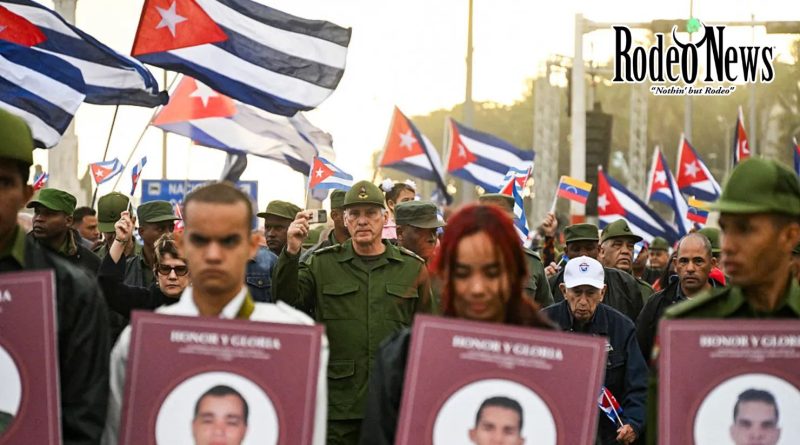
Cuba’s Fuel Crisis Deepens as Trump’s Tariff Threats Snarl Oil Supplies
Havana — Cuba is confronting a severe energy crisis that has brought parts of the island’s economy to a near-standstill, as U.S. tariff threats on countries supplying oil to the country have effectively cut off its lifeline of imported fuel. The shortage has disrupted everything from aviation services to electricity distribution and public transport, authorities and international organisations warn.
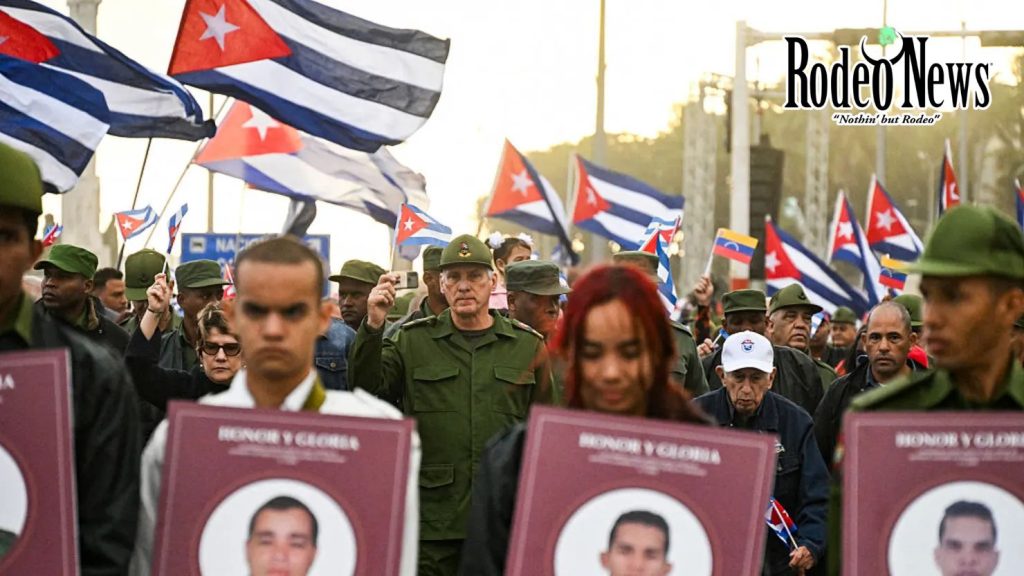
President Donald Trump’s administration has taken an aggressive stance toward the Caribbean nation by threatening tariffs on any country that exports petroleum products to Havana. The policy has discouraged traditional partners — most notably Mexico and Venezuela — from sending oil, leaving Cuba with little fuel to power key services.
Flights Grounded and Daily Life Disrupted
Cuban aviation officials announced that jet fuel supplies have run out at major airports, including Havana’s José Martí International Airport, and that international airlines will not be able to refuel on the island until at least mid-March, citing the acute shortage.
The crisis has forced carriers like Air Canada to suspend flights to and from Cuba, stranding travellers and making it difficult for tourism — a cornerstone of the island’s foreign exchange earnings — to recover. Some airlines are rerouting flights to nearby countries for refuelling stops.
“It’s become almost impossible for planes to operate normally here,” a Cuban aviation source told local media, noting that a lack of fuel blights both tourism and regular passenger services. The shortage comes at a time when Cuba was already struggling to rebound from pandemic-related downturns.
Blackouts, Rationing and Economic Strain
Beyond aviation, the fuel scarcity has triggered widespread disruption across everyday life in Cuba. With domestic production unable to meet needs, and oil shipments halted, rolling power outages and fuel rationing have become common. Hospitals and essential services face critical strain, with diesel shortages affecting generators and transport vehicles.
Cuban authorities have introduced a series of emergency measures — including reduced workweeks, curbs on bus and train services, and restrictions on fuel sales — to conserve energy for essential infrastructure and services.
Residents across Havana and other provinces have reported long queues at petrol stations, while state organs prioritise fuel for medical facilities and electricity generation. These hardships have drawn comparisons to the “Special Period” of the 1990s, when the collapse of Soviet support plunged the island into a severe economic slump.
Government, International and Humanitarian Responses
Cuban President Miguel Díaz-Canel has sharply criticised the U.S. strategy, describing the tariff threats and oil embargo as efforts to “suffocate” the nation’s economy. Officials say the measures directly harm ordinary Cubans by exacerbating shortages of food, medicine and other essentials.
The United Nations has also voiced alarm, warning that continued disruptions to fuel supplies could precipitate a broader humanitarian crisis. UN officials expressed “extreme concern” over the impact on water treatment, electricity, food distribution and healthcare systems if the energy emergency persists.
At the same time, Russia and China have pledged or hinted at support to alleviate the pressure on Cuba, including offers of oil shipments or technical assistance, though such aid faces logistical and political hurdles amid the tightening U.S. stance.
Mexico’s government is exploring avenues to supply fuel in a way that avoids triggering U.S. tariff reprisals, reflecting broader tension between regional diplomatic efforts and Washington’s pressure campaign.
Wider Implications for Cuban Society
The shortfall in fuel supplies has reverberated through multiple sectors. Public transport has virtually collapsed in some provinces, with buses and trains idling due to lack of fuel, and long-distance travel severely restricted. Food distribution networks and sanitation services are also struggling under rationing policies.
Cuban citizens have expressed concern over the daily hardships they face, as prolonged blackouts, scarce fuel and rising costs strain household budgets and livelihoods. “We’re doing our best to survive,” said one Havana resident, describing how fuel lines stretch for hours and essential services falter.
Looking Ahead: Diplomacy, Dialogue and Uncertain Futures
As the crisis unfolds, Cuban officials have signalled openness to talks with the United States without preconditions, emphasising respect for sovereignty while seeking relief from the energy squeeze. However, they have maintained that any discussion must accord with their national interests.
For now, Cuba’s economy and daily life remain tightly bound to the availability of imported fuel. With oil supplies cut off and limited alternatives in place, the island nation faces a period of prolonged hardship that could shape its political and economic future well beyond the current crisis.