Winter Olympics 2026 Opening Ceremony Sparks Global Pageantry Across Four Italian Sites
MILAN, Italy — With a blend of culture, spectacle and athletic optimism, the 2026 Winter Olympic Games opened Friday in Italy with a sprawling, multi-venue ceremony that reflected both tradition and innovation. Showcasing Italy’s artistic heritage and international athletic unity, the ceremonies unfolded not only in Milan’s San Siro Stadium but simultaneously in three Alpine locales — Cortina d’Ampezzo, Livigno and Predazzo.In a departure from Olympic tradition, the Parade of Nations — a symbolic moment in every Games where athletes march behind their national flags — was held across these four locations to accommodate the unique geography of the Milan-Cortina event footprint. Each cluster allowed competitors closer to their competition venues to participate without lengthy travel, a creative solution for what organizers have described as the most geographically widespread Winter Games in history.
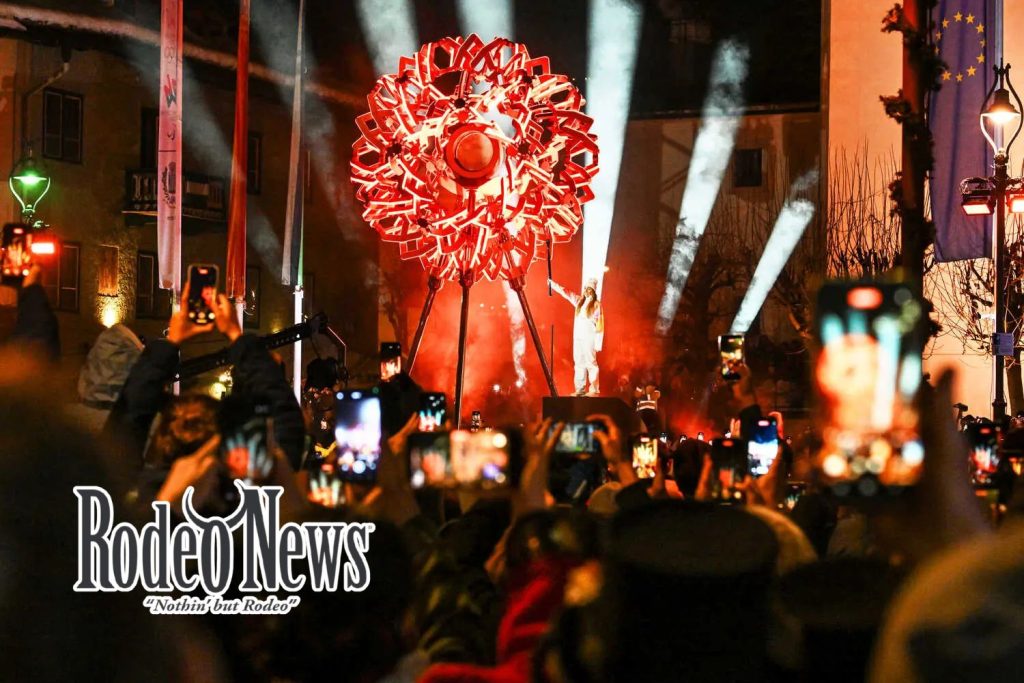
The ceremony’s theme, “Armonia” (harmony), underscored a message of global unity amid a fracturing world order. Representing the Olympic spirit, the event was marked by traditional protocol, artistic performances and cultural tributes before the Olympic flame was lit in dual cauldrons in Milan and Cortina.
A Night of Music and Global Culture
At the historic San Siro Stadium in Milan — a century-old venue renowned for football and now transformed into an Olympic stage — world-renowned performers took the spotlight. American singer Mariah Carey opened the festivities with a stirring rendition of the Italian classic “Nel Blu Dipinto di Blu,” widely known as “Volare,” captivating spectators with her Italian-language performance. Italian tenor Andrea Bocelli followed with the iconic operatic piece “Nessun Dorma,” a tribute to both Italian culture and Olympic musical heritage.
The ceremonies also included performances by Italian rapper Ghali and acclaimed pianist Lang Lang, creating a tapestry of sounds that bridged classical, pop and contemporary styles in celebration of the host nation’s cultural depth.
Parade of Nations and Political Undercurrents
Athletes from more than 90 nations processed through the venues, with Greece leading the March — honoring its role as the birthplace of the Games — and host country Italy concluding the parade. Each delegation’s name card bearer was outfitted in elegant silver puffer coats and dark sunglasses, adding a visual unity to the procession.
The large American contingent received mixed reactions from the crowd, with applause for Team USA athletes tempered by audible boos when U.S. Vice President J.D. Vance appeared on the stadium’s jumbo screen. The reaction highlighted the intersection of global sporting celebration and contemporary political tensions.
Cauldron Lighting and Olympic Spirit
The emotional peak of the night came with the lighting of the Olympic cauldrons. Italian skiing icons Alberto Tomba and Deborah Compagnoni ignited the flame in Milan, while Cortina’s flame was sparked by ski star Sofia Goggia, himself entered among the competing athletes. The dual cauldron lighting — spread across two cities — symbolized the unity and shared purpose of the Games.
Later in the evening, the Olympic flag was ushered into the ceremony by a diverse group of international sports figures and world personalities, reinforcing the global nature of the event.
Tensions and Local Protests
Despite the celebratory atmosphere, scattered protests emerged in Milan, including demonstrations against immigration enforcement presence and rising living costs, particularly in some of the city’s poorest neighborhoods. These moments of dissent offered a reminder of social debates that often accompany major global events.