Courts Clear Path for Restart of All US Offshore Wind Construction
Federal courts across the United States have ordered the immediate restart of every offshore wind project previously halted by the Trump administration, dealing a significant setback to the government’s effort to block renewable energy development using classified national security claims.
The rulings, issued in five separate cases and spanning three federal courts, temporarily lift construction bans imposed by the Department of the Interior on offshore wind farms already under development. Together, the decisions represent a rare and unified judicial response, with multiple judges reaching similar conclusions despite reviewing different records and hearing arguments independently.
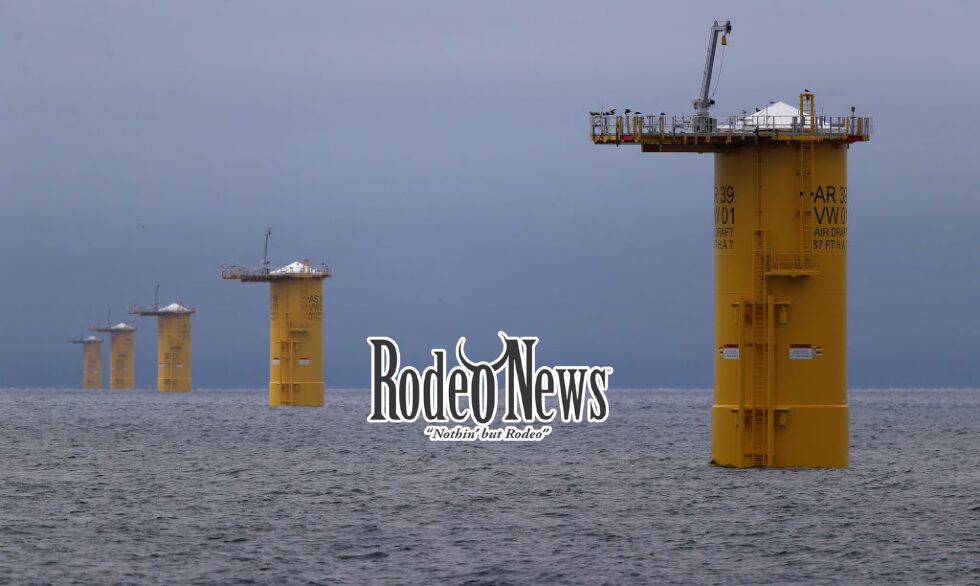
At the center of the legal disputes is a late-December order from the Department of the Interior that abruptly suspended turbine installation on all offshore wind projects under construction. The agency cited a classified national security assessment as justification but offered no public explanation of the alleged threat, nor any advance notice to the companies involved.
The wind developers responded swiftly. Each company filed suit, arguing that the government’s actions were unlawful, economically damaging, and procedurally flawed. As of Monday, every one of those lawsuits has resulted in a temporary injunction allowing construction to resume.
Classified Claims Meet Judicial Skepticism
While details of the classified assessment remain undisclosed, several judges reviewed the government’s evidence in secure settings and found it unconvincing. In at least one case, the court questioned whether the administration genuinely believed the security risks it cited.
Judge Brian E. Murphy highlighted a contradiction at the heart of the government’s argument. The alleged threat, according to federal officials, stemmed from the operation of wind turbines. Yet the Interior Department’s order halted construction while allowing turbines already installed to continue operating.
“If the government’s concern is the operation of these facilities, allowing the ongoing operation of the 44 turbines while prohibiting the repair of the existing turbines and the completion of the 18 additional turbines is irrational,” Murphy wrote.
That reasoning echoed concerns raised in other courtrooms, where judges noted that the administration’s actions appeared inconsistent with the seriousness of the threat it claimed to address.
A Familiar Legal Pattern
The offshore wind cases follow a broader pattern of judicial pushback against the Trump administration’s renewable energy policies. Earlier this year, a federal court struck down an executive order that blocked all permitting for offshore wind projects nationwide, ruling the move “arbitrary and capricious” under administrative law.
That ruling applied to future projects. The more recent Interior Department order went further, targeting five offshore wind farms that had already received federal approvals and were actively under construction.
Legal experts say courts tend to look unfavorably on sudden policy reversals that disrupt ongoing projects without clear justification or due process. In these cases, judges emphasized that the government provided no warning, no opportunity for companies to respond, and no public explanation of its concerns.
“The absence of notice and the scale of economic harm weigh heavily in favor of injunctive relief,” one ruling noted.
Billions at Stake
The halted projects represent billions of dollars in investment and are central to state-level clean energy goals along the East Coast. Several are nearing completion, with turbines already installed and power generation scheduled to begin within months.
Industry analysts say prolonged delays would have resulted in severe financial losses, supply chain disruptions, and potential layoffs. In court filings, developers argued that even short construction pauses during critical installation windows could jeopardize entire project timelines.
The injunctions block the federal government from enforcing the construction halt until final rulings are issued. While the administration retains the right to appeal, the uniformity of the decisions suggests an uphill battle.
Some projects may be fully completed before any appeal is resolved, potentially rendering further legal action moot.
Political Context
The rulings come against the backdrop of long-standing hostility toward wind energy from President Donald Trump, who has repeatedly criticized wind turbines during rallies and public appearances. Many of those claims—regarding cost, reliability, and environmental impact—have been disputed by energy experts and federal data.
While opposition to renewable energy has been a consistent theme of the administration’s energy policy, legal analysts note that courts focus less on political motivations and more on procedural compliance and evidentiary standards.
In these cases, judges appeared unconvinced that the government met either threshold.
What Comes Next
For now, offshore wind construction in the United States is back on track. Cranes are returning to worksites, installation vessels are redeployed, and developers are racing to make up for lost time.
Final rulings on the merits of the cases are still pending. But with multiple courts signaling skepticism toward the administration’s justification—and with construction already resuming—the government’s attempt to halt offshore wind development appears increasingly unlikely to succeed.
As one judge put it, national security claims carry weight in federal court. But only when they are supported by clear logic, consistent action, and credible evidence.
For the offshore wind industry, the message from the courts has been clear: classified assertions alone are not enough to shut down projects already underway.