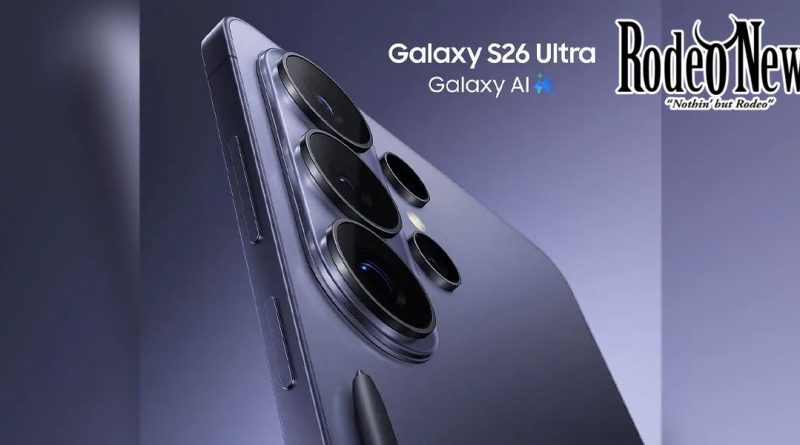
Samsung Galaxy S26 May Skip Built-In Qi2 Magnets, Latest Leak Suggests
Samsung’s next flagship smartphone lineup, the Galaxy S26 series, is generating fresh debate among tech enthusiasts after new leaks suggest the devices might not include built-in Qi2 magnetic support — a feature increasingly common in competing Android and iPhone devices.
The Wireless Power Consortium’s Qi2 standard — designed to improve magnetic alignment for wireless charging and accessories — has become an industry benchmark for flagship devices. Apple has supported magnetic alignment since its MagSafe implementation, and Google’s Pixel 10 series adopted native Qi2 magnets in its design.
Leaks Cloud Qi2 Magnet Support for Galaxy S26
Early expectations anticipated Samsung would fully embrace Qi2 magnets with the Galaxy S26 lineup, marking a notable step forward from the Galaxy S25, which relied on case-integrated magnets rather than magnets built directly into the phone chassis. Rumors stoked optimism that Samsung would finally align with industry peers by embedding Qi2 magnets in the smartphone itself.
However, recent images of first-party Samsung cases for the Galaxy S26 series — including both magnetic and non-magnetic variants — have fueled skepticism about that direction. According to the latest reports, the presence of non-magnetic protective shells suggests Samsung may continue relying on magnetized cases to enable Qi2 capabilities rather than integrating magnets into the phone hardware.
Industry observers note that products with native Qi2 support typically incorporate magnets in both the device and its official cases. If a case lacks built-in magnets, the magnetic alignment needed for accessories like chargers, mounts, and wallets may be too weak to function reliably — undercutting a core benefit of the Qi2 standard.
Why This Matters
Magnetic alignment enhances wireless charging efficiency and accessory compatibility. Without integrated magnets, users may need to purchase Qi2-ready cases just to access the full advantages of Qi2 wireless charging and related accessories — a shift that could complicate the user experience and drive extra costs.
Unlike Apple and Google, which build magnet arrays directly into their flagship phones, Samsung’s rumored strategy could leave its devices at a disadvantage in the growing Qi2 ecosystem. While Samsung is reportedly preparing magnetic Qi2 accessories — including a new Qi2-certified 25W wireless charger and magnetic power bank — critics argue that accessories alone don’t replace native support.
Conflicting Signals from Leaks and Accessories
The leak landscape surrounding Qi2 support for the Galaxy S26 remains complex and sometimes contradictory. While the latest images point toward non-magnetic cases, other leaks and accessory certifications have hinted at a broader Qi2 ecosystem for Samsung mobile products. Rumoured magnetic cases, Chargers, and Qi2-branded accessories suggest the company is investing in magnetic wireless tech — even if the phones themselves might not fully support magnets internally.
This ambiguity has sparked debate among industry watchers and users alike, with some suggesting Samsung’s implementation could be a strategic compromise between evolving standards and longstanding design constraints — including potential interference with features like the S Pen on Ultra models.
Looking Ahead to Samsung Unpacked
Samsung has not officially confirmed the Galaxy S26’s full specifications, but the series is widely expected to debut at an Unpacked event later this month. Until then, the question of whether the phones will include native Qi2 magnets — or continue to rely on Qi2-ready cases — remains unsettled.
For consumers eager to adopt the latest wireless charging technologies without compromise, the outcome of Samsung’s Qi2 decisions could influence buying decisions and accessory ecosystems well into 2026.