Earth’s Seasons Are More Complex Than We Thought — Satellite Data Reveals New Patterns
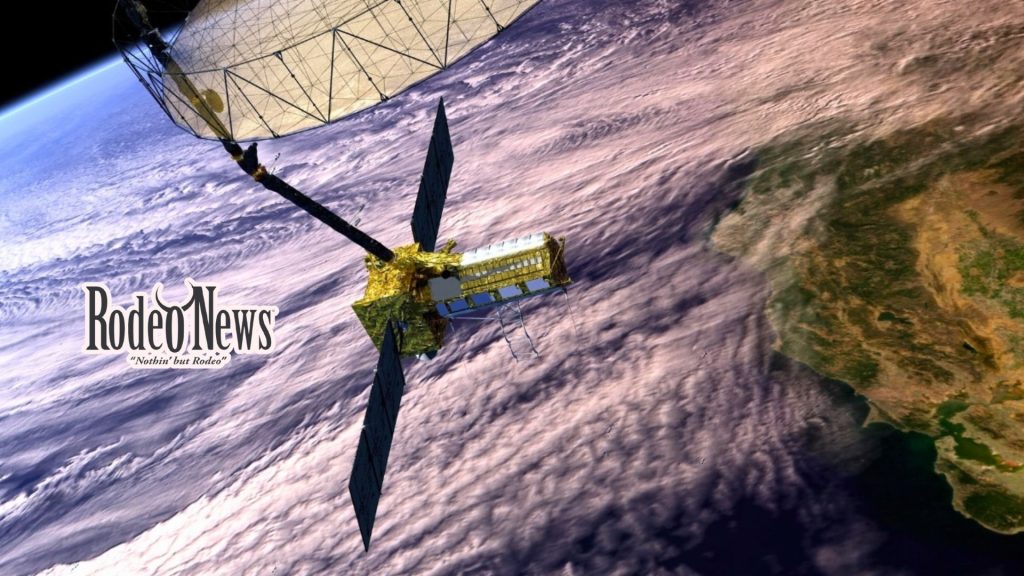
Scientists watching our planet from space have uncovered surprising complexity in how Earth’s seasons unfold. Using two decades of satellite observations, researchers at the University of California, Berkeley have mapped the timing of seasonal cycles across the globe and found that the familiar sequence of spring, summer, autumn, and winter doesn’t happen in lockstep everywhere — even in regions that are geographically close.
At first glance, we tend to think of seasons as uniform. If two places share a hemisphere, similar latitude, or elevation, they should logically experience the same seasonal transitions at roughly the same time. But the latest analyses tell a different story: neighboring landscapes can experience their seasonal highs and lows on entirely different calendars.
The research team, led by biogeographer Drew Terasaki Hart, produced what they describe as the most detailed global map of seasonal timing for terrestrial ecosystems to date. Rather than a simple, one-size-fits-all cycle, the planet’s seasonal rhythms vary dramatically from place to place based on climate patterns, local geography, and ecological dynamics.
What makes this discovery significant is not just that seasonal timing differs — it’s where and how much. The strongest “seasonal asynchronies” appear in areas with unique climate signatures, such as Mediterranean climate zones (including California, Chile, South Africa, southern Australia, and the Mediterranean basin) and complex terrain such as tropical mountains. In these locations, patterns like rainfall timing, temperature shifts, and plant growth cycles don’t align neatly across short distances.
A compelling example comes from Arizona, where Phoenix and Tucson — cities only about 160 kilometers apart — follow distinct seasonal rhythms. Tucson’s annual peak rainfall happens during the summer monsoon, while Phoenix receives most of its rain in January. These differences cascade into ecological effects, influencing everything from plant flowering to animal behavior
These findings have broader implications than ecological curiosity. Seasonal timing influences how species interact with their environment — from the availability of food and water to reproductive cycles. When these cues are out of sync between adjacent habitats, it can limit interbreeding between populations, potentially shaping evolution over generations.
The research challenges traditional assumptions in ecology, climate modeling, agriculture, and even public health, where simple seasonal models are often used. In a warming world, understanding this fine-grained seasonal variability will be crucial for accurate predictions — whether forecasting crop harvests, managing wildlife, or modeling ecological responses to climate change.
In essence, Earth’s seasons are not a uniform pulse, but a mosaic of timing — each region following its own rhythm, influenced by local conditions and broader planetary patterns. This fresh perspective promises to deepen our understanding of how life on Earth is tuned to the calendar of the natural world