EU Urges Immediate Ceasefire in Cambodia-Thailand Clash, Offers Satellite Monitoring Support
Brussels — The European Union has called on Cambodia and Thailand to immediately restore a ceasefire after nearly two weeks of fighting along their disputed border, warning that continued hostilities risk further destabilising the region and deepening the humanitarian crisis.
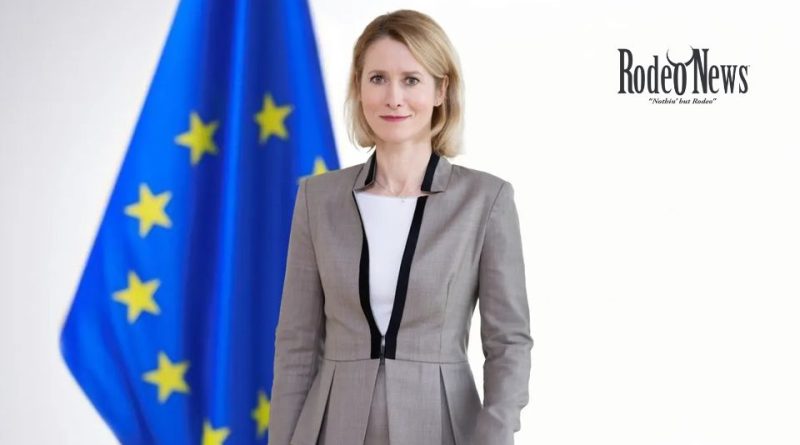
In a statement issued on Tuesday, Kaja Kallas, the EU’s High Representative for Foreign Affairs and Security Policy and Vice-President of the European Commission, said the conflict must not be allowed to escalate further and urged both sides to return to dialogue without delay.
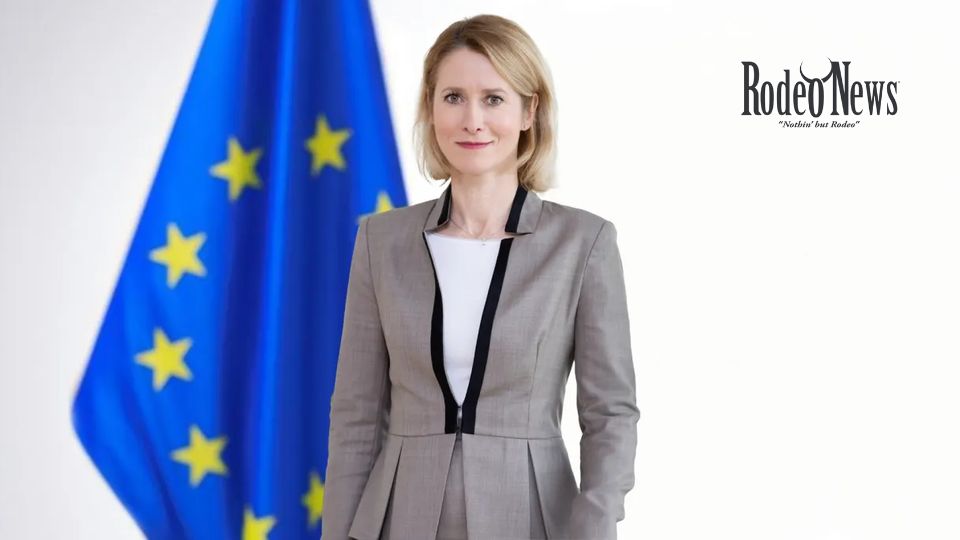
“The ceasefire needs to be immediately restored,” Kallas said, stressing that the European Union remains ready to support efforts aimed at de-escalation. She added that the bloc could provide satellite imagery to help monitor compliance with a ceasefire agreement.
“I will continue to engage to help break the cycle of escalation,” she said, noting that the offer of satellite monitoring had already been communicated to the foreign ministers of both Cambodia and Thailand.
Fighting Enters Eleventh Day
The renewed EU appeal comes as clashes between Cambodian and Thai forces entered their 11th consecutive day, with fighting reported in several border areas. The violence has triggered one of the largest civilian displacements in recent years, particularly on the Cambodian side.
More than 440,000 Cambodian civilians have been evacuated from affected areas across Preah Vihear, Oddar Meanchey, Banteay Meanchey, Battambang, Pursat, Koh Kong, Siem Reap, and Kampot provinces, according to Cambodian authorities.
Local officials say thousands of families remain in temporary shelters, with access to food, medical care, and basic services increasingly strained as the conflict drags on.
Civilian Casualties Mount
The Cambodian Ministry of Interior reported that, as of 1 p.m. on December 17, at least 17 civilians had been killed and 77 others injured as a result of the fighting. Authorities warned that the toll could rise if hostilities continue.
Humanitarian groups have expressed concern over the impact of shelling and troop movements near populated areas, urging both sides to take immediate steps to protect civilians and allow humanitarian access.
Thailand has yet to release updated casualty figures, though officials in Bangkok have previously acknowledged injuries among civilians and security personnel near the border.
Cambodia Seeks Independent Verification
Cambodian Prime Minister Hun Manet has called for the use of independent satellite data to verify responsibility for the initial outbreak of violence, framing the proposal as a transparent way to reduce tensions and counter conflicting claims.
Hun Manet said he had suggested to US President Donald Trump and Malaysian Prime Minister Anwar Ibrahim that the militaries or relevant agencies of both countries use satellite imagery recorded during the incident and the following 24 hours to determine which side opened fire first.
“This may be the easiest and most transparent way to verify the incident,” Hun Manet said. “Cambodia is ready to cooperate in any way necessary.”
According to the Cambodian leader, the proposal was first raised with Prime Minister Anwar on December 11 and reiterated in discussions on December 12 with President Trump.
International Pressure Builds
The European Union’s offer of satellite support adds to growing international pressure on both Cambodia and Thailand to halt military operations and return to diplomatic channels. Regional observers say third-party monitoring could help reduce mistrust and prevent further misunderstandings along the border.
While the EU has no direct military role in Southeast Asia, it has increasingly used diplomatic engagement and technological support to assist conflict prevention and monitoring efforts worldwide.
Kallas said the bloc would remain actively engaged with regional and international partners to support de-escalation and encourage a sustainable political solution.
Uncertain Path Forward
Despite repeated calls for restraint, the situation on the ground remains volatile. Analysts warn that without a clearly enforced ceasefire and credible monitoring mechanisms, sporadic clashes could continue, further worsening the humanitarian situation.
For now, the focus remains on whether both governments will accept international assistance and recommit to a ceasefire that can hold — a step widely seen as essential to preventing further civilian suffering and restoring stability along the contested border.