Oil Prices Edge Higher as U.S.–Venezuela Tensions Raise Supply Risk
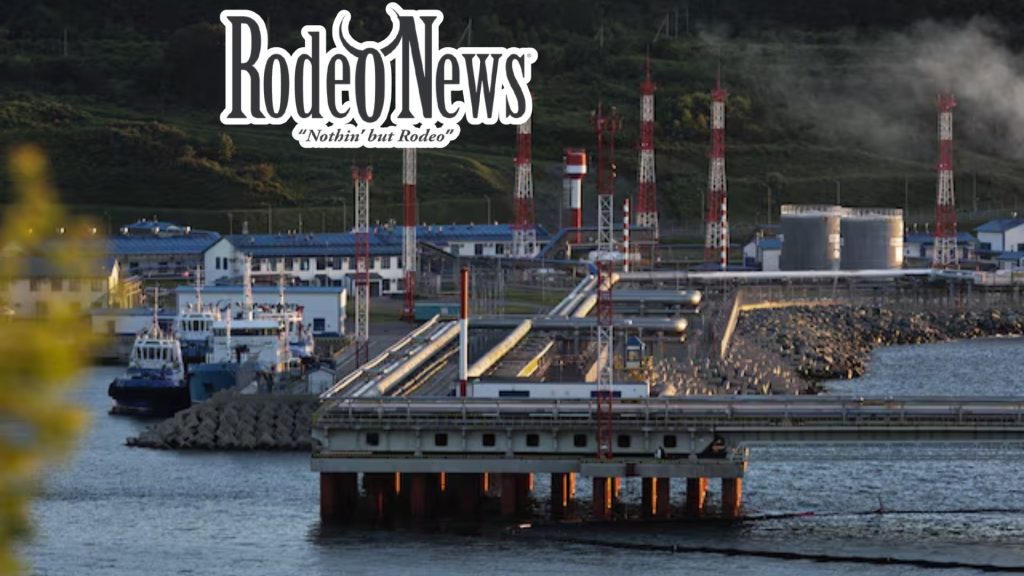
Oil prices climbed on Monday, with traders weighing rising geopolitical risks against persistent concerns about an emerging global supply surplus. Heightened tensions between the United States and Venezuela — including U.S. actions targeting Venezuelan oil shipments — lifted crude benchmarks after recent losses.
Brent crude futures increased by roughly 0.5% to around $61.45 a barrel, while U.S. West Texas Intermediate (WTI) also gained about 0.5%, reflecting renewed support in early Asian and European trading.
Market participants are focused on possible disruptions to Venezuelan exports, which have fallen sharply following recent U.S. enforcement actions, including the seizure of an oil tanker and fresh sanctions on vessels and shipping firms linked to Caracas. Those moves are part of an intensified U.S. strategy to restrict oil flows tied to President Nicolás Maduro’s government.
Despite this, the broader supply outlook remains a counterweight. Analysts continue to forecast a global surplus extending into 2026 and 2027, driven by robust production elsewhere and slower demand growth — factors that have pressured prices in recent weeks. Concern over a potential peace agreement in the Russia-Ukraine conflict, which might unlock additional Russian crude volumes, further tempers upside.
Economists note that unless geopolitical tensions escalate much further, oversupply worries could push WTI back toward lower levels early next year. Still, current risks tied to U.S.–Venezuela friction have added a risk premium, helping stabilize prices after a notable slide in the prior week.
Key Drivers Impacting Oil Markets:
- Geopolitical risk: Escalating U.S. pressure on Venezuelan oil shipments adds uncertainty to supply forecasts.
- Supply outlook: Estimates of a looming global surplus continue to weigh on sentiment.
- Russia-Ukraine peace talks: Prospects of eased sanctions could expand available oil volumes.
Overall, oil markets are navigating a delicate balance between near-term supply risk and long-term surplus expectations, leaving traders cautious but attentive to geopolitical developments that could shift the outlook.