U.S. Seizes Venezuelan Oil Tanker — A Dramatic Escalation in Pressure on Maduro
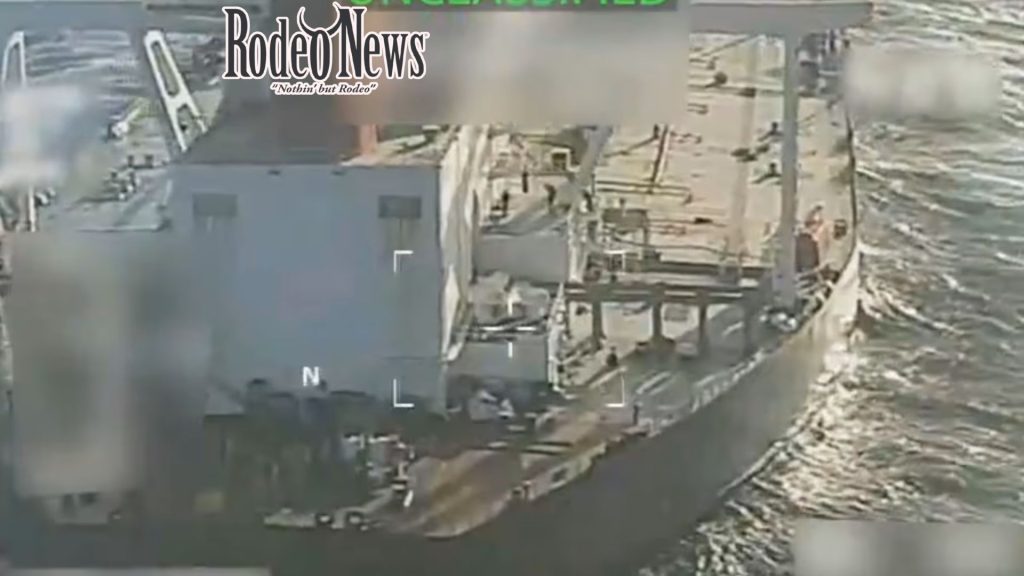
On December 10, 2025, the U.S. government carried out a bold maritime operation: it seized a large oil tanker off the coast of Venezuela — a move confirmed by Donald J. Trump at the White House. “Large tanker, very large, largest one ever seized, actually,” the U.S. president said.
The operation — led by the United States Coast Guard (USCG) with support from the Navy, the Federal Bureau of Investigation (FBI), and Department of Homeland Security (DHS) — reportedly used a seizure warrant to board the tanker in international waters, encountering no casualties.
According to U.S. officials, the vessel — identified as Skipper — was carrying Venezuelan crude oil and had previously been linked to Iranian oil dealings. The seizure was justified on the grounds that the tanker was on a sanctions blacklist for allegedly facilitating illicit oil smuggling.
When asked what would become of the cargo, Trump said with a somewhat dismissive tone: “We keep it, I guess.”
🚨 Reaction from Caracas
The government in Caracas immediately condemned the seizure, denouncing it as “a blatant theft” and “an act of international piracy.” Venezuelan officials vowed to bring the case before international bodies to defend the country’s sovereignty and natural-resource rights.
For many analysts, the move represents a clear escalation in Washington’s pressure campaign against Nicolás Maduro. Since early 2025, the U.S. has increased military presence in the Caribbean, conducted strikes on vessels suspected of drug trafficking, and issued repeated threats of further action — including possible land interventions.
What This Means: Bigger Stakes, Greater Risk
- New wartime-style tactic in sanctions enforcement. Historically, U.S. sanctions on Venezuela were enforced through financial measures and trade restrictions. Seizing a physical tanker — especially one carrying sanctioned crude — signals a more aggressive approach, merging law enforcement, military force, and geopolitical strategy.
- Pressure on Maduro’s oil revenue. Oil remains a cornerstone of Venezuela’s economy. Seizing a large crude shipment — and possibly rerouting future sales — undermines one of Maduro’s most important sources of revenue and foreign exchange.
- Potential for international/legal fallout. Caracas’s designation of the act as “piracy” may lead to calls for condemnation or legal challenges through international maritime courts. The seizure could also unsettle global oil markets, especially if more vessels are targeted.
- Wider regional implications. The U.S. has repeatedly framed its actions as part of a broader crackdown on alleged narcotrafficking routes linked to Venezuela. The tanker seizure may embolden further military or law-enforcement operations, raising the specter of broader confrontation in the region.
The tanker seizure underscores the shifting dynamics in U.S.–Venezuela relations: from economic sanctions to direct maritime enforcement. As Washington doubles down on pressure, the coming days may reveal whether the move deters Maduro’s regime — or deepens a dangerous standoff.