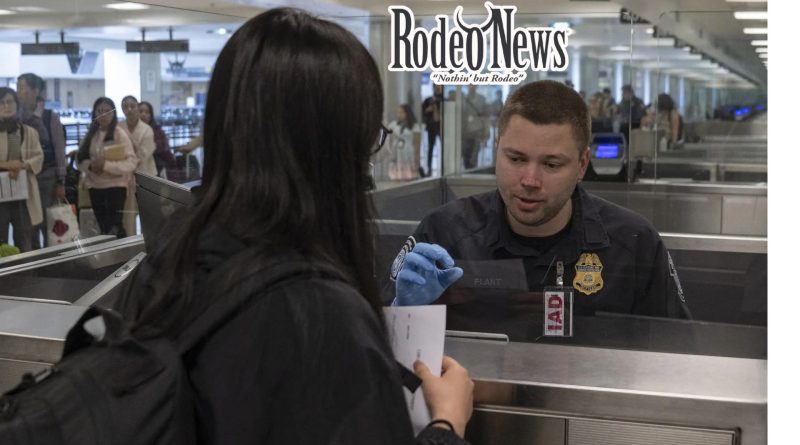
Why Social‑Media Savvy Travelers Are Finding U.S. Borders Tougher Than Before
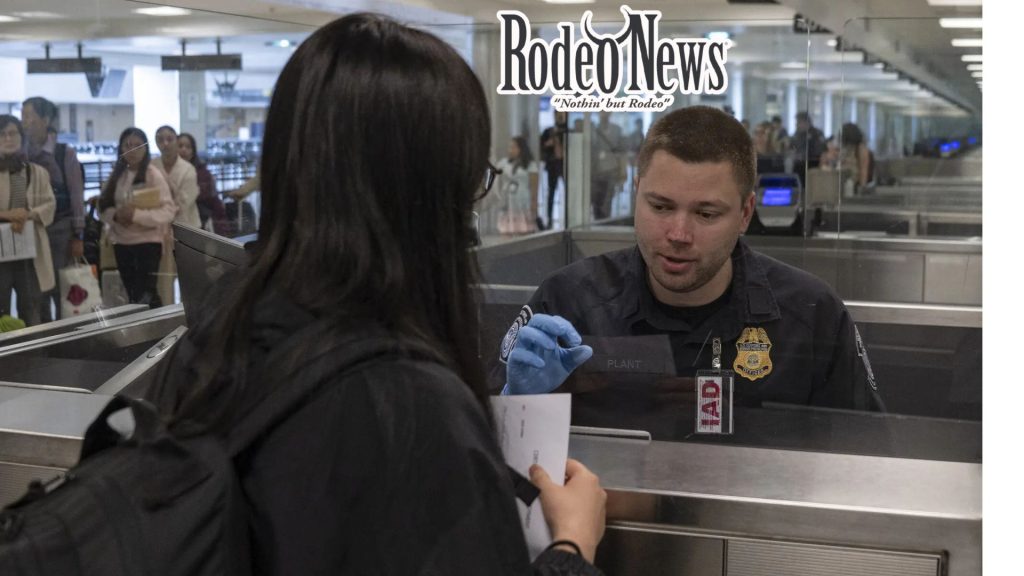
Many travelers arriving at U.S. airports or land‑border crossings are finding that a successful vacation or business trip increasingly depends not only on a valid passport or visa — but on their social‑media footprint. What used to be considered personal posts and photos now may influence whether you’re admitted, detained, or turned away.
📌 What’s Changing
- The border‑patrol agency U.S. Customs and Border Protection (CBP), along with related immigration authorities, have broadened their vetting protocols. That includes scanning social‑media accounts, reviewing publicly available content, and — in some cases — inspecting electronic devices.
- What this means in practice: social media posts, “likes,” follows, group memberships — even old content — can now be used indirectly during visa adjudications or at border entry points.
- The changes are hitting more than just students or long‑term work visa applicants. Tourists and casual visitors — even those with valid visas — are increasingly reporting tougher questioning, device checks, or denials.
Why It’s Happening
The government argues that these measures are necessary for national security, border integrity, and preventing visa fraud.
However, critics — including privacy advocates — argue that relying on social‑media data introduces ambiguity. Algorithms and manual reviews may misinterpret context; people’s associations, past activity, or even posts by acquaintances could influence decisions.
Real‑World Impact: Tourist Stories
There have been increasing reports from travelers — including those with visas or visa‑waiver entry permissions — of unexpectedly harsh treatment. Some recount long detentions, intense phone/laptop inspections, or even being sent back home.
One common thread among travelers on forums:
“They check so few people and only when there is something that raises a red flag… But if on the off chance your phone gets searched they’re looking for if you look like a remote worker or might overstay.” Reddit+1
For many, the risk isn’t ideological — but rather that their posts or profile potentially contradict what they declared on visa forms or their stated reason for travel.
What Travelers Should Do Before Flying
- Review and clean up your social‑media footprint if you plan to travel to the U.S. Delete or archive old posts, especially those that might be politically sensitive or misinterpreted.
- Avoid storing sensitive or private data just on your phone if you’re carrying it — device checks remain possible.
- Be ready to show that your intentions match your application (tourism, business, etc.). Inconsistencies between online content and visa applications seem to be a common trigger for extra scrutiny.
What It Means Going Forward
The U.S. border landscape has shifted — what you post, share, or even “like” online could affect your ability to enter. For global travelers and tourists, this trend signals a new normal: borders are no longer just about passports, visas, or flights. They now extend into the digital world