Japan Accuses China of Locking Military Radar on Fighter Jets Near Okinawa
TOKYO — Japan has accused the Chinese military of locking fire-control radar onto Japanese fighter jets during operations near Okinawa, marking the latest escalation in a rapidly worsening standoff between the Asian rivals.
The claim was announced at an emergency press conference held shortly after 2 a.m. on Sunday by Defense Minister Shinjiro Koizumi, who condemned the alleged radar lock as a “dangerous act” that placed pilots at risk. China swiftly rejected the accusation, saying Japan’s version of events was “inconsistent with the facts” and insisting that its forces were conducting routine training.
Two Radar Lock Incidents Reported
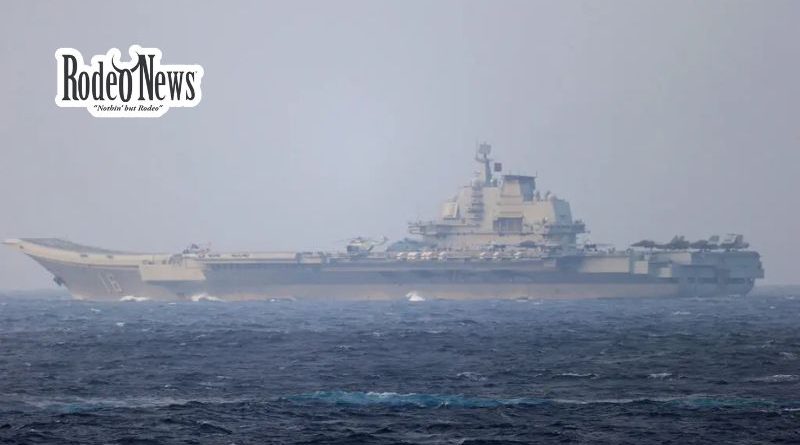
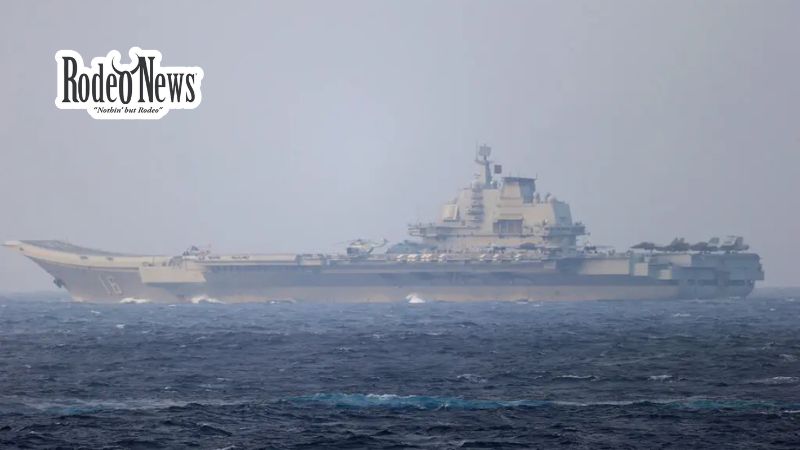
According to Japan’s Defense Ministry, the confrontation unfolded on Saturday when Chinese fighter jets launched from the Liaoning aircraft carrier directed fire-control radar—typically used to support missile targeting—at two Japanese F-15s flying in international airspace southeast of Okinawa.
The contested zone lies near islands claimed by both Tokyo and Beijing.
“This radar lock-on incident constitutes a dangerous act that exceeds the scope necessary for the safe flight of aircraft,” Koizumi said, adding that Japan issued a formal protest and demanded assurances from China to prevent similar incidents.
Beijing Denies, Accuses Japan of “Slander”
Hours later, China rejected the allegation.
Chinese Navy spokesperson Wang Xuemeng said the Liaoning carrier group had been conducting “routine carrier-based fighter jet flight training,” adding that the drills had been publicly announced.
“We solemnly demand that Japan immediately cease its slander and smear campaign and strictly restrain its frontline actions,” Wang said. “The Chinese Navy will take necessary measures to safeguard its security and legitimate rights.”
Tensions Already High Over Taiwan Issue
Relations between the two countries have sharply deteriorated since early November, when Prime Minister Sanae Takaichi told Parliament that Japan might respond militarily if China attacked Taiwan.
Beijing accused her of crossing a diplomatic “red line” and demanded a retraction.
Speaking on Sunday, Takaichi called the radar incident “extremely regrettable” and said Japan would respond “calmly and resolutely.”
Analysts See Broader Strategic Push by China
Security analysts say the encounter fits into a wider pattern of increased Chinese military activity around Japan and Taiwan.
“China aims to condition the region to accept greater PLA operations,” said Ken Jimbo, a professor of international security at Keio University. “This is intended to deter Japan or the U.S. from intervening in a Taiwan contingency.”
China’s Retaliatory Pressure Campaign Expands
In recent weeks, Beijing has launched a multipronged campaign to punish Japan for its support of Taiwan.
Measures include:
- Advising Chinese tourists to avoid Japan
- Restricting imports of Japanese seafood
- Expanding military patrols near disputed zones
- Cancelling events featuring Japanese entertainers
- Halting releases of Japanese films on the mainland
The radar dispute also recalls a similar confrontation in 2013, when Japan said a Chinese vessel activated fire-control radar on a Japanese destroyer and helicopter. China denied that incident as well.
As both sides trade accusations, the latest flare-up underscores how profoundly Taiwan—and the shifting military balance in the Western Pacific—has strained relations between Asia’s two largest economies.