Peace meetings in Moscow: what’s happening
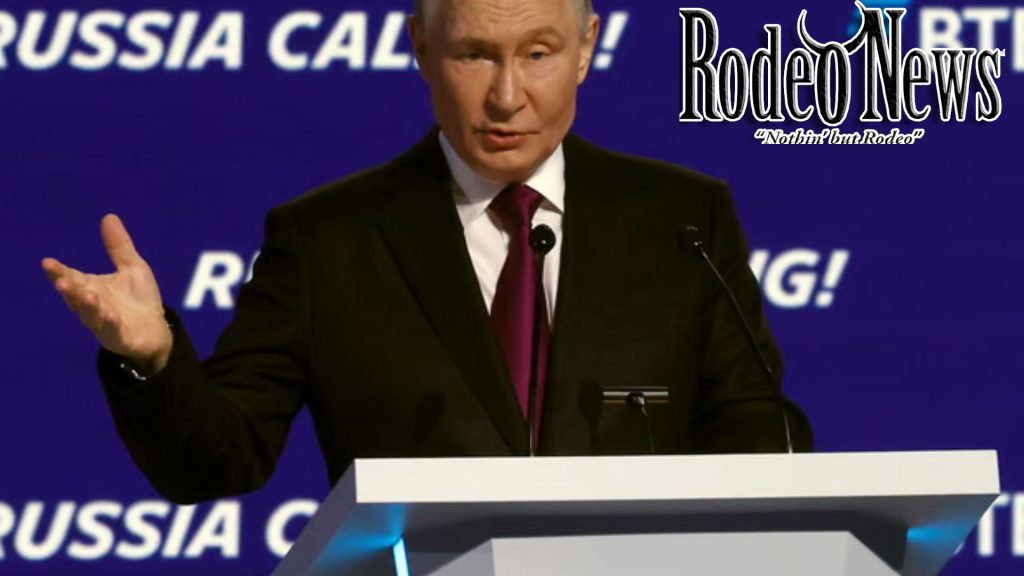
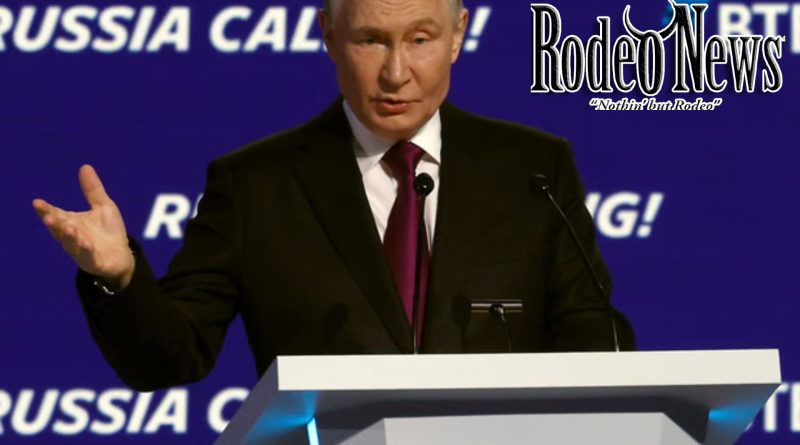
After weeks of negotiations between American and Ukrainian officials, U.S. special envoy Steve Wittkoff and adviser Jared Kushner traveled to Moscow on December 2 to meet Russian President Vladimir Putin — part of renewed U.S. efforts to broker a peace deal in the war between Russia and Ukraine. Reuters+2WPMI+2
The pair presented an updated version of the earlier 28-point draft — now reportedly slimmed down to a roughly 19- or 20-point proposal — to make it more acceptable to Kyiv. The Washington Post+2Yahoo+2
Moscow described the revised plan as a potential “basis for future agreements,” but leaders in Kyiv and many European capitals remain deeply skeptical. Al Jazeera+2The Independent+2
Core disagreements: Why peace remains elusive
Despite diplomatic engagement, the gap between Russian demands and Ukrainian red lines remains wide:
- The original U.S. draft reportedly included recognition of Russian-controlled territories (including Crimea, parts of Donbas, Kherson and Zaporizhzhia), strict limits on Ukraine’s military size, and constitutional guarantees forbidding Ukraine’s accession to NATO. TIME+2Yahoo+2
- For Ukraine, any forced territorial concession or weakened defense capacity is seen as capitulation, risking future vulnerability. Kyiv insists that peace must not come at the expense of sovereignty. The Washington Post+2Al Jazeera+2
- Russia, meanwhile, continues to press for a full withdrawal of Ukrainian troops from contested regions — and has threatened further military action if Ukraine refuses. Al Jazeera+2The Guardian+2
Putin also publicly accused European nations of sabotaging peace efforts by insisting on terms “absolutely unacceptable to Russia,” escalating distrust between Moscow and Western capitals. The Washington Post+1
Kyiv and its allies push back — for now
In response to the U.S.-led efforts, Ukrainian President Volodymyr Zelenskyy has maintained a cautious stance. While not entirely rejecting negotiations, he stressed that Ukraine’s territorial integrity and democratic decision-making must remain central. RadioFreeEurope/RadioLiberty+1
European leaders have joined in expressing concern — many view the proposed concessions as undermining international law and fear a settlement could embolden further Russian aggression. Le Monde.fr+1
At the same time, diplomats warn that time is short: continued war is causing mounting human and economic costs, increasing pressure on all parties to find a resolution. The Washington Post+1
What to watch next
- Whether the Moscow meeting produces a concrete agreement or only lays groundwork for further diplomacy.
- Reactions from Ukrainian leadership and European governments — especially if any territorial concessions or military restrictions are accepted.
- The effects of Russian military advances and battlefield developments on negotiation leverage for both sides.
- How any agreement addresses long-term security guarantees, reconstruction funding, and restoration of Ukrainian control over its territory.
Further reading on peace talks