D.C. National Guard Shooting: Suspect’s Struggles with Mental Health and Isolation Uncovered
In January 2024, a series of emails sent by a concerned case worker shed new light on the troubling mental health struggles of Rahmanullah Lakanwal, the suspect accused of shooting two National Guard members in Washington, D.C. The emails, which were obtained by CBS News, paint a picture of a man deeply affected by the traumatic experiences he endured in Afghanistan and further strained by his post-resettlement struggles in the U.S.
Lakanwal, a 29-year-old Afghan national, entered the U.S. in 2021 as part of the Biden-era Operation Allies Welcome — a program designed to help Afghan nationals who assisted U.S. forces during the chaotic withdrawal from Afghanistan. After settling in Bellingham, Washington, with his wife and five children, Lakanwal’s life took a dark turn. According to the case worker’s emails, he faced severe mental health challenges, including Post-Traumatic Stress Disorder (PTSD), which were left largely unaddressed.
Struggling to Cope: Mental Health Issues and Isolation
The case worker, who had been assisting Lakanwal’s family in accessing resettlement services, highlighted his growing sense of isolation. In an email sent on January 11, 2024, they noted that Lakanwal had been unemployed for over a year and was facing eviction due to nonpayment of rent. The situation was dire, with the case worker mentioning that Lakanwal had become reclusive, often retreating to a dark room for weeks at a time, refusing to speak to anyone, including his wife and children.
“He spends most of his time for weeks on end in his darkened bedroom, not speaking to anyone, not even his wife and older kids,” the email read. The case worker described a pattern of manic episodes, during which Lakanwal would leave the family home without warning, often taking the family car.
Despite these troubling signs, Lakanwal’s mental health issues went largely unaddressed. The case worker suggested that Lakanwal’s condition was the result of trauma he experienced while serving as part of an Afghan special forces unit in the southern regions of the country, working alongside U.S. troops before the withdrawal. In particular, Lakanwal was reportedly devastated by the death of a close friend and fellow Afghan commander in 2024, who had unsuccessfully sought asylum in the U.S.
The D.C. Shooting Incident
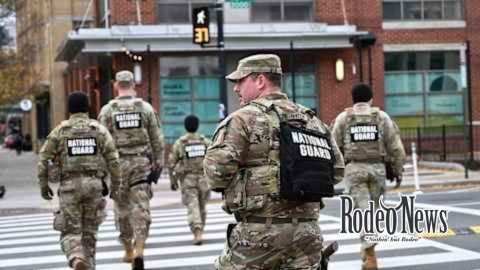
On January 2024, Lakanwal traveled from Bellingham to Washington, D.C., where he allegedly shot two National Guard members. Army Spc. Sarah Beckstrom, 20, was killed in the attack, while Air Force Staff Sgt. Andrew Wolfe, 24, remains in critical condition.
The circumstances surrounding the attack remain unclear, but officials suggest that Lakanwal’s actions may have been driven, in part, by the deep mental health issues he was experiencing. Law enforcement has not ruled out the possibility of radicalization, though early investigations have found no evidence linking him to extremist groups or international organizations.
Lakanwal was injured during the shooting and is currently hospitalized. He remains under sedation and on a ventilator, which has hindered investigators’ ability to question him about his motivations. However, U.S. officials have begun combing through his communications and online presence in search of any signs of radicalization or foreign connections.
Mental Health and the Refugee Experience
The tragic shooting incident has sparked a larger conversation about the mental health challenges faced by Afghan refugees who resettled in the U.S. after the 2021 withdrawal. Lakanwal’s case highlights the severe mental health strain many veterans and refugees face as they struggle to adjust to life in a new country while dealing with the psychological scars of war.
Shawn VanDiver, president of the nonprofit organization AfghanEvac, emphasized that Lakanwal’s actions should not be seen as a reflection of the broader Afghan community in the U.S. He stated, “This violent act does not reflect the Afghan community, which continues to contribute across the United States and undergoes some of the most extensive vetting of any immigrant population.”
On the other hand, Homeland Security Secretary Kristi Noem suggested that Lakanwal’s radicalization may have occurred after arriving in the U.S. “We do believe it was through connections in his home community and state, and we’re going to continue to talk to those who interacted with him,” Noem said.
A Nation in Crisis: The Unseen Cost of War and Trauma
Lakanwal’s tragic story serves as a stark reminder of the profound psychological toll that war trauma can take on individuals, especially those who have seen firsthand the brutality of conflict. His struggles with PTSD, combined with his isolation, unemployment, and lack of support, culminated in a violent outburst that has left two U.S. service members with life-altering injuries.
As the investigation into the attack continues, the case brings into focus the need for better mental health resources for refugees and veterans alike, who often face tremendous barriers in accessing care. For many, the emotional wounds of war are not as easily healed as physical injuries, and the mental health infrastructure in place for these individuals may not be enough to prevent such tragic outcomes.
In the coming weeks, investigators will continue to piece together the circumstances surrounding Lakanwal’s breakdown and the National Guard shooting, all while grappling with the larger issue of how best to support individuals coping with the psychological aftermath of war and resettlement.