A mayor-elect, a Gooner — and a lens on US football’s growth
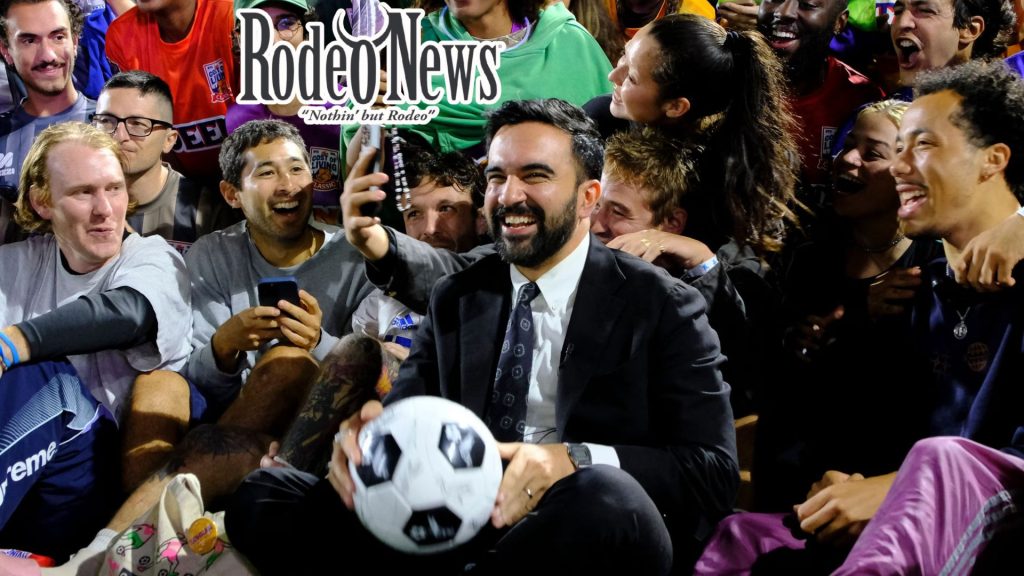
When Zohran Mamdani appeared on The Adam Friedland Show last week expecting the usual political banter and commentary, what followed caught many by surprise: a heartfelt video message from Ian Wright — the former England and Arsenal striker — congratulating him on his election victory. Mamdani’s emotional reaction, “I love this man,” revealed something deeper than a politician fishing for relatability. It was the moment when a genuine, lifelong fan — a “Gooner” — stood front-and-center.
That moment offers a vivid window onto how far football (soccer) fandom has travelled in the United States: from niche subcultures to mainstream cultural identity.
From Kampala to Manhattan: a fan’s journey
Mamdani’s roots trace back to Kampala, Uganda, and then Cape Town, before his family relocated to Upper Manhattan when he was seven.
He fell in love with Arsenal during the club’s golden years under Arsène Wenger — a period marked by global appeal and multicultural representation. Players like Kolo Touré, Nwankwo Kanu, Alex Song, Lauren and Emmanuel Eboué were among those who helped shape his identity through sport.
On early mornings, with 7am kick-offs, Momrdning Manhattan became part of his ritual — a signal that the global game had taken root far from European stadiums.
Football as culture — not just a game
Mamdani’s fandom isn’t just personal nostalgia; it embodies a larger shift. The Premier League’s rise in the U.S. hasn’t just been about broadcast deals or merchandising — it’s become embedded in diaspora identity, youth culture, and political consciousness.
For many first- and second-generation immigrant Americans, clubs like Arsenal are more than foreign brands: they’re threads in a multicultural narrative, shared across continents. Mamdani’s journey — from Kampala to Cape Town to New York — mirrors the routes by which the global game has spread, redefined, and rooted itself across borders.
Politics, activism and the fan’s conscience
Mamdani’s embrace of football isn’t divorced from his political beliefs. As part of his campaign, he launched a petition against FIFA’s dynamic pricing for 2026 World Cup tickets — arguing that treating football as luxury entertainment excludes working-class fans and undermines the inclusive spirit of the sport.
He has called dynamic pricing “an affront to the game”, and urged that a portion of tickets be reserved at affordable rates for residents.
For Mamdani, then, supporting Arsenal and advocating for fair ticketing are not contradictory — they are part of the same vision. Football is community, identity, and justice.
What Mamdani’s fandom tells us about U.S. soccer’s future
- Hybrid fandom: Mamdani represents how diaspora heritage, global club culture, and American identity now converge in U.S. supporters. What once might have been niche is now part of the mainstream.
- Politics and the pitch collide: Soccer is no longer just entertainment — it’s political terrain. Issues like access, equity, and identity are being negotiated not just in stadiums, but in city halls and campaign platforms.
- Cultural belonging, not just sport: For many immigrants and their descendants, football — especially clubs like Arsenal — offers a sense of belonging, community, and continuity across continents.
- Football’s US moment is more than hype: With the 2026 World Cup on U.S. soil, and growing fan bases across states and demographics, the game’s entrenchment in American culture looks deeper and more lasting than before.
In the end, when a newly elected mayor of New York publicly weeps for his club’s legend, it reveals something profound: football in the U.S. is no longer an import or novelty. It’s becoming home — in identity, community, politics, and passion. And in the story of Zohran Mamdani, we see just how far the game has travelled — and how deeply it’s woven itself into American life