Bamboo Scaffolding May Have Accelerated Spread of Hong Kong Tower Block Fire
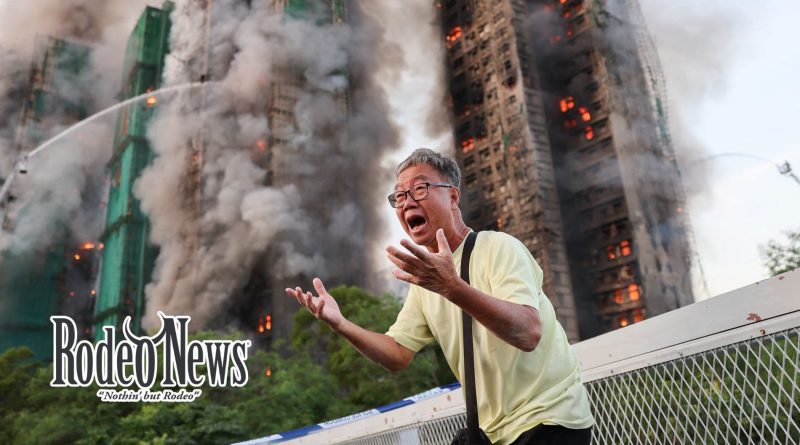
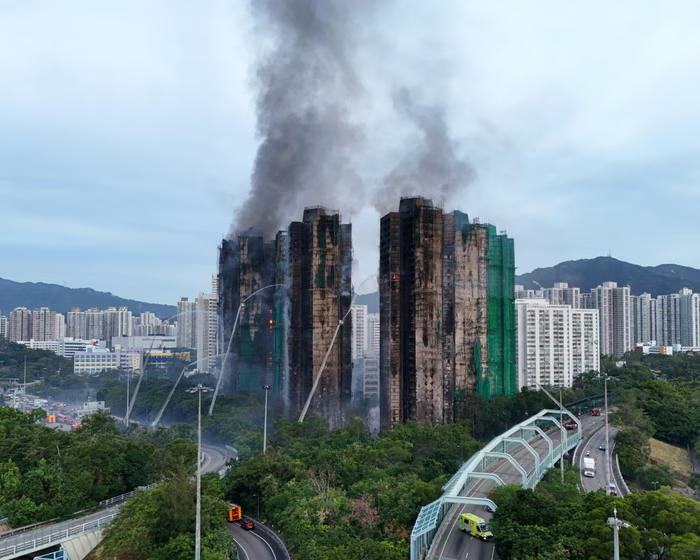
A catastrophic fire at Hong Kong’s Wang Fuk Court residential complex has raised serious concerns about the safety of bamboo scaffolding, which may have played a role in spreading the blaze. The fire, one of the deadliest in recent history, has prompted a fresh look at Hong Kong’s reliance on bamboo in construction.
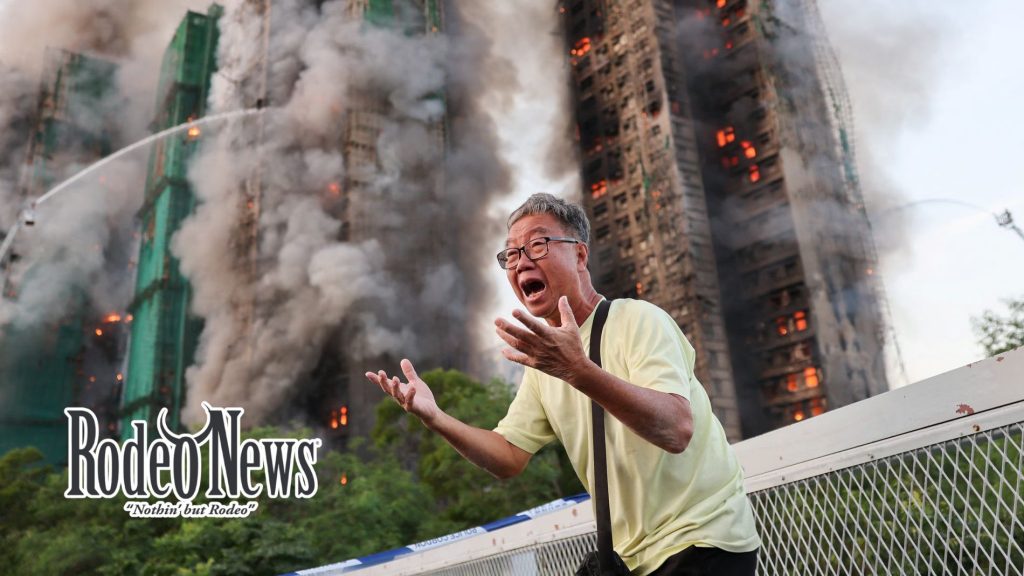
The Wang Fuk Court complex, located in Tai Po, consists of eight 31-story towers, home to nearly 5,000 residents. The fire, which broke out on Wednesday, quickly spread across the building. Early investigations suggest that the bamboo scaffolding used around the towers might have accelerated the fire’s spread, highlighting a critical safety risk.
Bamboo Scaffolding: A Tradition with Growing Safety Concerns
Bamboo scaffolding has long been a part of Hong Kong’s skyline. It’s lightweight, affordable, and easy to use, making it a popular choice for construction workers. The sight of bamboo scaffolds encasing buildings across the city has become iconic, with the material often celebrated for its sustainability and cost-effectiveness.
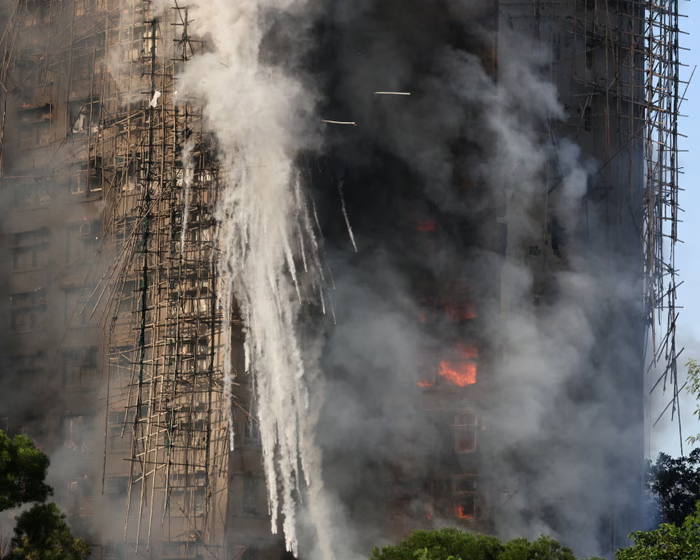
However, bamboo is highly flammable. In the case of the fire at Wang Fuk Court, it appears the scaffolding allowed the flames to spread faster than if metal scaffolding had been used. This isn’t the first time concerns have been raised about the fire risks of bamboo, especially given the humid climate and frequent storms in Hong Kong.
Hong Kong’s Shift Away From Bamboo Scaffolding
In response to these concerns, the Hong Kong government announced earlier this year that it would start phasing out bamboo scaffolding in favor of more fire-resistant materials like steel. By 2025, half of all public construction projects will be required to use metal frames instead of bamboo. Steel is not only fire-resistant but also better suited to withstand Hong Kong’s weather conditions, making it a safer, more durable alternative.
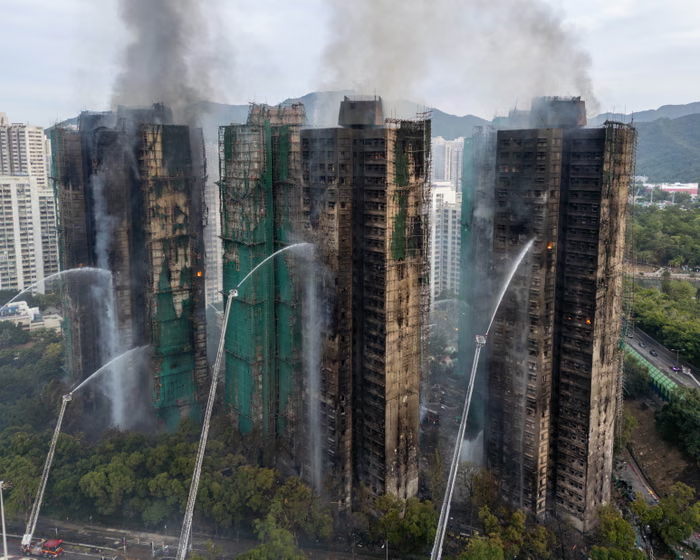
This shift comes after a series of fatal accidents involving bamboo scaffolding. In the last five years, industrial accidents related to bamboo have claimed 23 lives. The Wang Fuk Court fire serves as a tragic reminder of the dangers posed by continuing to use bamboo in modern construction.
The Debate: Protecting Tradition vs. Ensuring Safety
Despite the safety risks, bamboo scaffolding still has strong supporters in Hong Kong. The Hong Kong and Kowloon Bamboo Scaffolding Workers Union has strongly opposed the move to phase out bamboo, arguing that the change threatens the livelihoods of skilled bamboo workers. These craftsmen, known as “bamboo masters,” use their expertise to bind bamboo poles together in intricate latticework, a technique that has been passed down through generations.
However, many experts argue that safety must come first, especially in high-rise buildings. The tragedy at Wang Fuk Court underscores the importance of adopting safer materials like steel. While the cultural value of bamboo is undeniable, the risk to public safety has made it clear that change is necessary.
A Call for Improved Safety Standards
The fire at Wang Fuk Court has brought the dangers of bamboo scaffolding into sharper focus. As Hong Kong faces the challenge of modernizing its construction practices, the government’s decision to phase out bamboo is a step toward improving safety standards. Moving to fire-resistant materials like steel is seen as essential to preventing further tragedies.
At the same time, the city must ensure that the transition is handled carefully. Bamboo scaffolders, whose skills are deeply embedded in Hong Kong’s construction history, need support as they adjust to new materials and methods. The goal is to preserve Hong Kong’s rich heritage while ensuring that its residents and workers are safe from preventable harm.
Conclusion: The Future of Bamboo in Hong Kong Construction
The fire at Wang Fuk Court is a stark reminder of the risks associated with bamboo scaffolding. While the material has cultural significance and practical benefits, its role in modern high-rise construction is increasingly being questioned. As Hong Kong moves to adopt safer alternatives like steel scaffolding, the hope is that the lessons learned from this tragedy will lead to a safer future for both workers and residents.