G20 Summit in South Africa Closes Amid U.S. Boycott and Diplomatic Friction
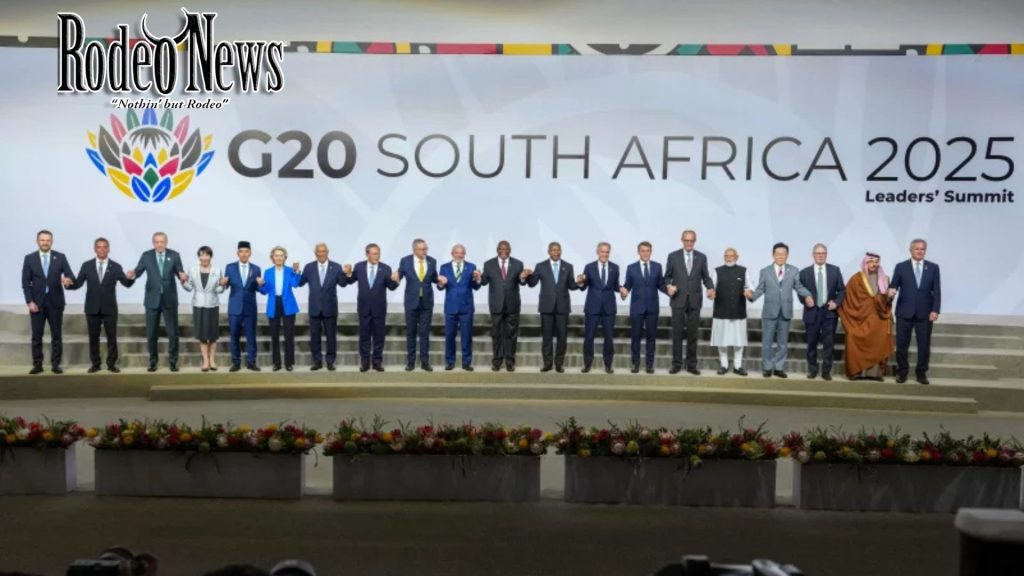
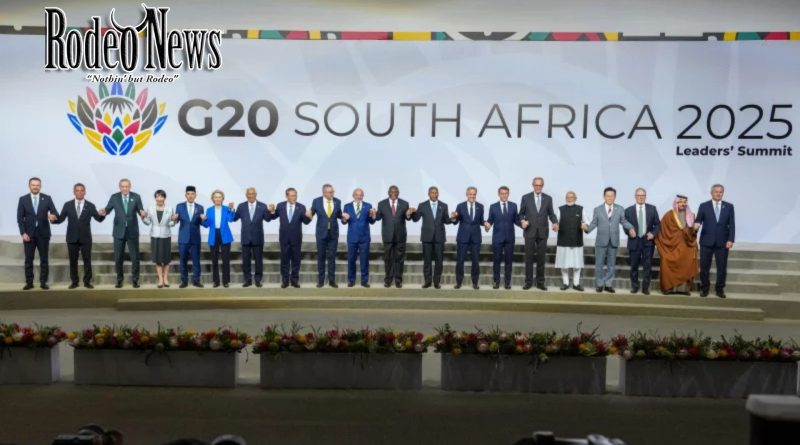
The 2025 G20 Leaders’ Summit, held in Johannesburg, South Africa, came to an unexpected close Sunday, marked by the absence of the United States and a symbolic breach of diplomatic protocol.
A Historic Summit Shadowed by Tensions
For the first time, an African nation hosted the G20 summit, a milestone many viewed as a sign of global power shifts. But U.S. President Donald Trump decided to boycott the event entirely following what he described as human rights abuses targeting white Afrikaners — a claim widely disputed and rejected by South African officials
In an unusual move, the G20 leaders issued a joint declaration at the start of the summit rather than at its conclusion. The document emphasized climate action, debt relief, gender equality, and other priorities that align strongly with developing economies — and which the current U.S. administration has opposed.
Closing the Summit: A Gavel, But No Hand-Over
On Sunday, South African President Cyril Ramaphosa formally closed the summit by striking a gavel, a traditional symbol used in G20 summits. He declared:
“This gavel … formally closes this summit and now moves on to the next president of the G20, which is the United States, where we shall see each other again next year.
Under normal protocol, the outgoing chair hands the gavel to the incoming leader. But Trump was not present, and South Africa refused a U.S. request to hand the gavel to a junior embassy official. Ramaphosa’s team regarded such a handover as a breach of diplomatic protocol.
Instead, South African and U.S. officials plan to conduct the formal presidency handover in Pretoria in the coming days
A Summit Framed as a Victory for Multilateralism
Despite the standoff, South African officials described the summit as a major diplomatic win. Ronald Lamola, South Africa’s Minister of International Relations, said the event was “a great success for our country.”
In his closing remarks, Ramaphosa highlighted several key themes:
- Pushing for greater financial support to low- and middle-income countries grappling with debt.
- Addressing global inequality and climate change
- Advocating for “a more just and prosperous world … where no one is left behind.
U.S. Criticism and Broader Implications
The White House was publicly critical. A spokesperson accused South Africa of “refusing to facilitate a smooth transition” of the G20 presidency
Meanwhile, the declaration’s content — especially its language on equity and climate — struck a chord with many attending leaders. Argentina raised some objections, but the broader consensus held.
Brazilian President Luiz Inácio Lula da Silva praised the summit’s direction. He expressed confidence that multilateralism will outlast unilateralist approaches, even in light of the U.S. boycott.
What’s Next
South Africa’s bold diplomatic moves during the summit may signal a broader ambition: to reshape global governance in favor of inclusion and solidarity. As the G20 presidency transitions to the U.S. in 2026, many will be watching whether that vision holds.
If you like, I can also write options for an opinion piece, explainer, or feature story about the G20 summit — do you want me to do that