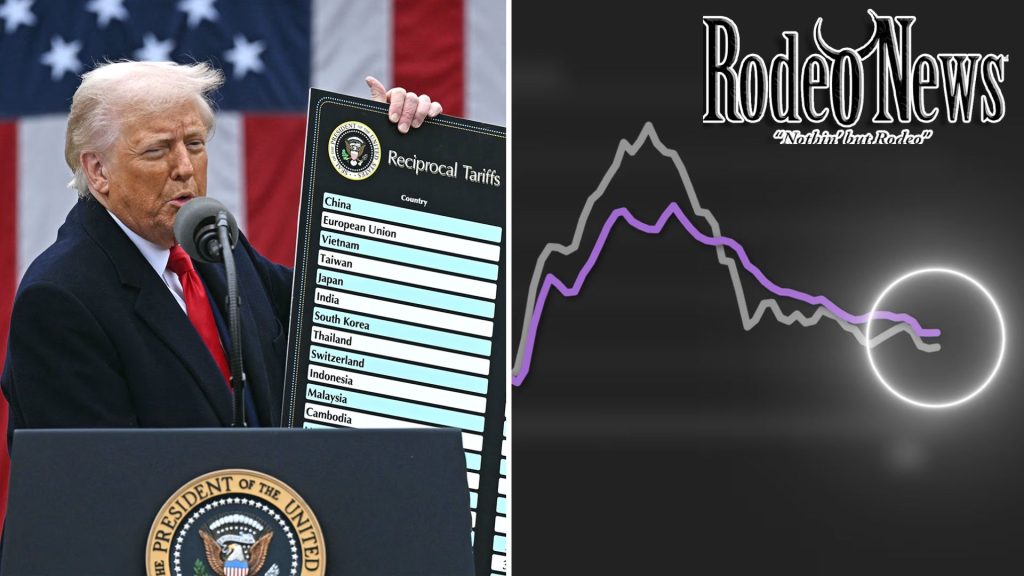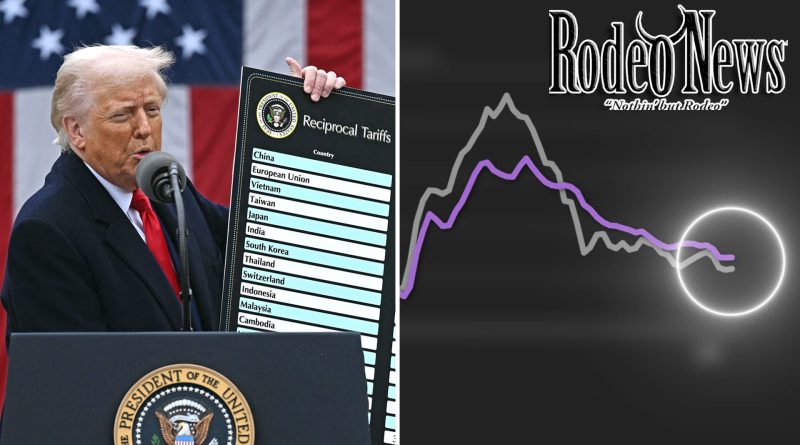
A surprising new study from researchers at the San Francisco Federal Reserve challenges commonly held beliefs about the effects of tariffs. Rather than driving up consumer prices, their analysis suggests that tariffs can lower inflation — but at a steep cost: reduced economic activity and higher unemployment.
Tariffs as a Demand Shock
Economists Régis Barnichon and Aayush Singh examined data spanning 150 years, both from the U.S. and other countries. Their working paper finds that when tariff rates rise, the result is not just higher import costs. Instead, tariffs appear to act like an aggregate demand shock, depressing both inflation and employment simultaneously.
This conclusion goes against traditional economic theory. Usually, raising tariffs is expected to increase consumer price inflation because imported goods become more expensive. But Barnichon and Singh observe the opposite: inflation falls when tariffs jump.
Why Might This Happen?
There are two main channels the researchers identify:
- Uncertainty and confidence shock
Tariffs can unsettle markets and consumers. When people grow unsure about future costs or economic policy, they may pull back on spending and investing — slowing growth - Asset price decline
The study also finds that stock prices tend to drop and volatility rises after a tariff increase. That weakens wealth and further reduces demand
Historical Insight
The researchers looked back over long periods. In the pre–World War II era, a permanent 4-percentage-point increase in tariff rates was associated with a 2-point drop in inflation and a 1-point increase in unemployment.
After the war, the numbers become more uncertain, but the trend still points in the same direction: tariffs weigh on the economy and employment, while reducing inflation.
Real-World Implications Today
This study comes at a politically and economically fraught moment. As President Donald Trump’s tariff policies face growing backlash, especially over their impact on food, utilities, and insurance costs, these findings could reshape the debate
Policymakers often worry that raising tariffs to protect domestic jobs will fuel inflation. But Barnichon and Singh’s work suggests the opposite could happen — lower inflation, but through slower growth and weaker labor markets.
Federal Reserve officials, including Chair Jerome Powell, have previously argued that tariffs would give a temporary inflation bump but wouldn’t derail disinflation trends. Still, the study lends weight to those who worry about a longer-term drag on employment and demand.
Broader Economic Risks
Other institutions agree that tariffs are creating headwinds. The OECD recently warned that full tariff effects are yet to play out, suggesting slower growth and tighter labor markets may lie ahead
Likewise, BNP Paribas economists argue the tariff shock could depress economic activity and raise the risk of a significant recession, as uncertainty chills investment and hiring