Venezuela’s Maduro Raises Memories of Panama Invasion as U.S. Pressure Mounts
Venezuelan President Nicolás Maduro has publicly compared his situation to that of Manuel António Noriega in Panama, as the United States ramps up military activity near Venezuela’s coast. Analysts say the parallels are affecting diplomatic positioning in the region—even if significant differences remain.
Lowering the Rhetoric, Heightening the Anxiety
Maduro issued a stark warning to Donald Trump’s administration: “No more forever wars. No more unjust wars. No more Libya. No more Afghanistan.”
His remarks came as the U.S. deployed its largest-ever carrier group to waters near Venezuela, officially citing a crackdown on drug trafficking.
While Washington frames this as a narco-trafficking operation, many observers believe regime change may be an underlying motive.
Why the Noriega Echo?
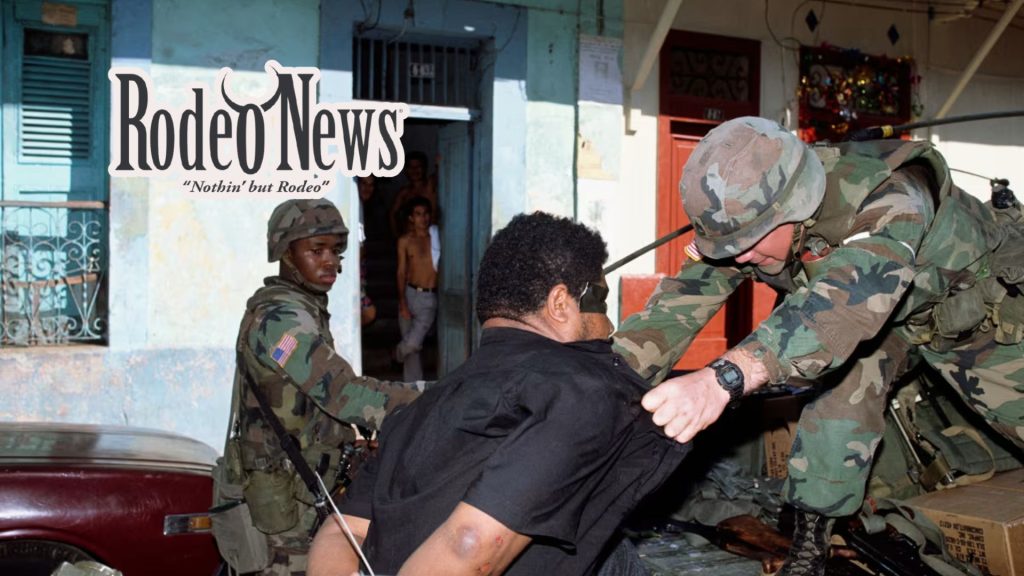
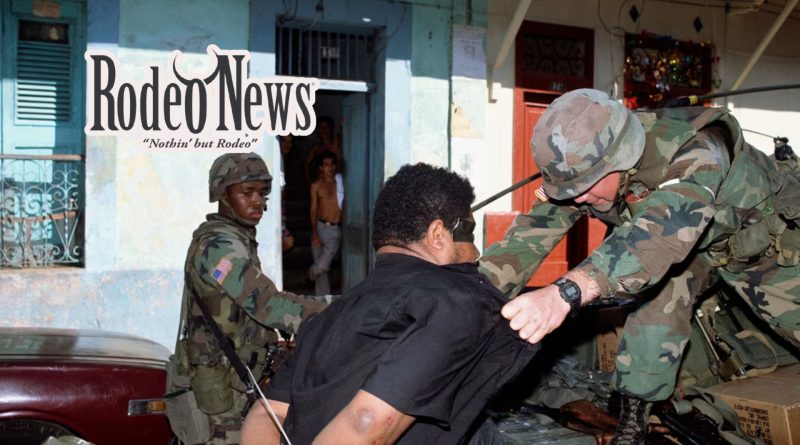
The comparison to Panama’s 1989 U.S. invasion under Operation Just Cause is provocative—but not accidental. In Panama’s case, the U.S. ousted Noriega citing drug-trafficking charges and threats to the Panama Canal.
Today, critics say the U.S. is preparing a similar playbook: Venezuela’s leader is labelled not just as a dictator, but as a narco-terrorist.
That said, Maduro insists his government will not go the way of Noriega’s regime. On social media and public forums, Venezuelans debate the validity of the comparison
Diplomatic Chess + Air Routes
Meanwhile, diplomatic relations between Venezuela and regional actor Panama remain fraught. Since Panama refused to recognize Maduro’s re-election, Venezuela pulled its diplomatic mission in 2024.
In May 2025, both countries announced a restart of commercial flights and consular services—though Panama stopped short of restoring full diplomatic recognition.
These developments underscore the dual approach: diplomatic outward normalization, while the military tension persists in the background.
What’s Next? Risks and Roadblocks
The situation carries significant risk:
- A direct military intervention, though not imminent, would ripple across Latin America and beyond.
- Venezuela’s internal military-civilian mobilization suggests game plans to resist any foreign incursion.
- Even if full invasion is avoided, a targeted operation—esp. given the narco label—could occur. Analysts remind the U.S. of failures in past Latin-American regime-change efforts.
For Venezuela, the path is equally fraught: mounting pressure, looming sanctions, and potential international isolation may drive the regime into deeper confrontation. For Panama and other regional states, the balancing act continues: maintain sovereignty, engage diplomatically, but remain wary of spill-over effects.
What This Means for Readers
- Keep an eye on U.S. naval and air deployments in the Caribbean—military signals now matter as much as diplomatic ones.
- Watch Panama’s evolving role: as a regional transit hub, its decisions may influence refugee flows, business ties and migration policy connected to Venezuela.
- Note how the historical framing (Noriega = Maduro) is being used rhetorically—it matters because language shapes justification for action in international relations