Trump Signs Bill Ending Longest Government Shutdown in U.S. History
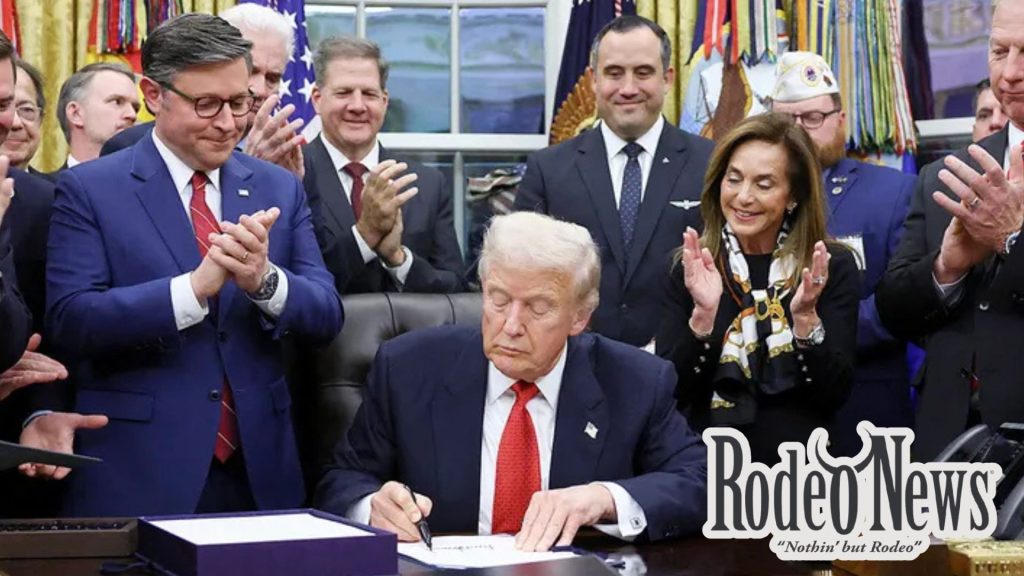
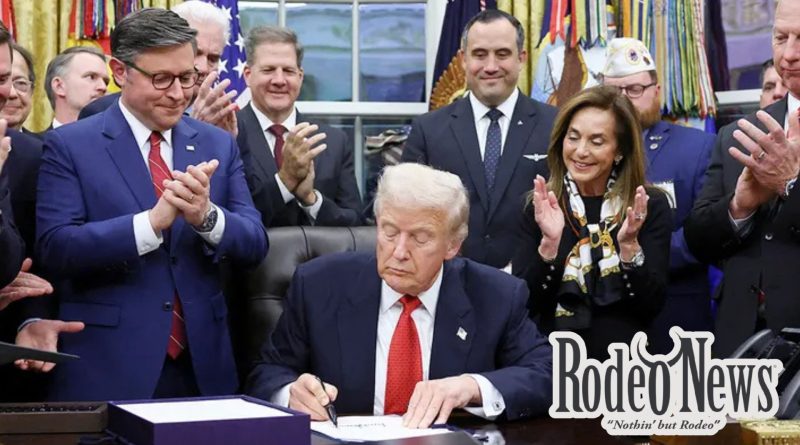
On November 12, 2025, Donald Trump signed legislation that ended the United States’ longest‐ever federal government shutdown. The funding package, passed by the United States House of Representatives on a 222–209 vote and previously approved in the United States Senate, restores operations across federal agencies after 43 days of standoff.
What the package achieves
The bill provides relief in several key areas:
It resets funding for most of the federal government through January 30, 2026 (with full‐year appropriations for certain departments such as Agriculture, Veterans Affairs and Military Construction).
It ensures that federal workers who were furloughed or unpaid during the shutdown will eventually receive back pay and reinstatement of work.
Critical aid programs were protected: for example, the Supplemental Nutrition Assistance Program (SNAP) had its contingency fund replenished so millions will continue to receive benefits.
While the measure ends the shutdown, it does not include extension of the Affordable Care Act subsidies that Democrats had demanded as part of the reopening deal. Those will be subject to a future vote.
Why the shutdown became longest on record
The impasse began when prior funding lapsed on October 1 2025 and Congress failed to agree on a full year’s appropriations. The standoff deepened as Democrats demanded the renewal of health‐insurance tax credits under the ACA; Republicans resisted including them in a reopening bill.
Over the 43 days, multiple government services were disrupted: federal workers went unpaid, airport operations were strained due to staffing issues and food banks reported increased demand.
The political moment
At the signing, President Trump declared the shutdown “no way to run a country” and urged Americans not to forget the events leading up to its resolution.
House Speaker Mike Johnson criticised Democrats for what he characterised as a “political stunt” that used federal functions as leverage.
What comes next
With this temporary funding in place, attention now turns to:
Ensuring full normalisation of federal agency operations and the workforce that had been disrupted.
The looming health‐care subsidy debate: failure to act could trigger another funding crisis.
The broader fiscal and economic implications, given the shutdown’s estimated cost and impact on services.
The passage of this bill marks the end of a disruptive and historic shutdown. While operations will resume, the conditions that caused the impasse remain under negotiation—and federal employees and affected Americans await full recovery of normal services