FAA Restricts Private Jets at 12 Major U.S. Airports Amid Staffing Shortages
WASHINGTON, D.C. — The Federal Aviation Administration (FAA) on Monday imposed new restrictions on private jet flights at a dozen major U.S. airports, citing worsening air traffic controller shortages linked to the ongoing government shutdown.
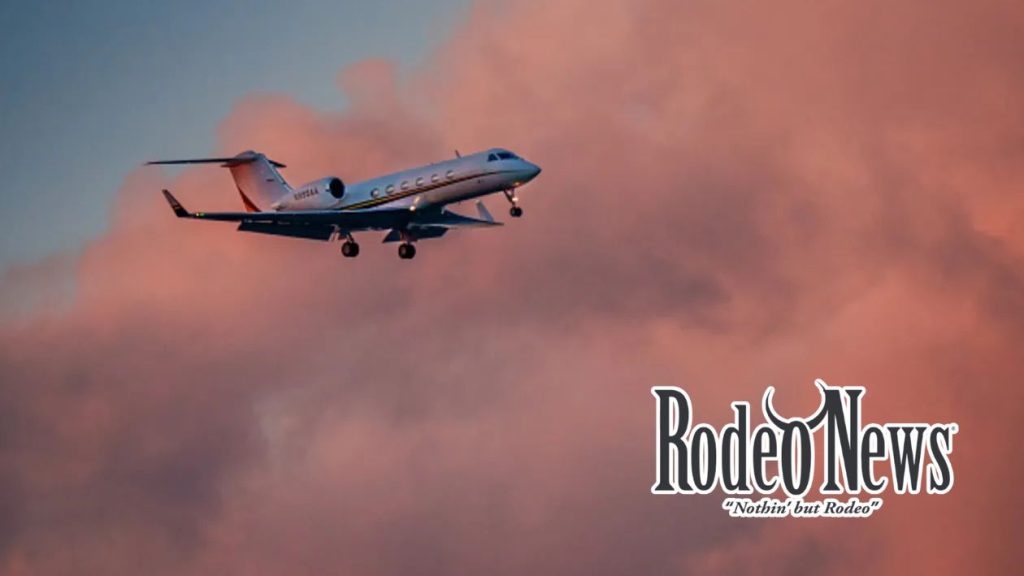
The move, which “effectively prohibits business aviation” at key airports, marks a rare step by federal regulators as both commercial and private air traffic face mounting delays and cancellations nationwide.
Shutdown Fuels Nationwide Flight Disruptions
The staffing crisis within the FAA has caused ripple effects across the nation’s busiest hubs. According to data from flight-tracking platform FlightAware, more than 4,500 commercial flights were canceled and 17,000 delayed over the weekend as controller shortages worsened.
The shortages, compounded by the government shutdown, have strained operations at major control centers, forcing the FAA to reduce capacity in several airspace sectors.
Last week, the Trump administration directed U.S. commercial airlines to trim flight schedules by 4%, with reductions expected to increase to 10% by Friday. However, private aviation had not been restricted — until now.
Twelve Airports Facing Private Jet Restrictions
The new FAA limitations will apply to business and general aviation flights at the following airports, according to the National Business Aviation Association (NBAA):
- Chicago O’Hare International Airport (ORD)
- Dallas Fort Worth International Airport (DFW)
- Denver International Airport (DEN)
- General Edward Lawrence Logan International Airport (BOS)
- George Bush Intercontinental Airport (IAH)
- Hartsfield-Jackson Atlanta International Airport (ATL)
- John F. Kennedy International Airport (JFK)
- Los Angeles International Airport (LAX)
- Newark Liberty International Airport (EWR)
- Phoenix Sky Harbor International Airport (PHX)
- Ronald Reagan Washington National Airport (DCA)
- Seattle-Tacoma International Airport (SEA)
The FAA has not issued an official statement, though the NBAA confirmed the measure late Sunday, noting the changes are designed to “prioritize safety and maintain essential traffic flow.”
Industry Reacts with Caution
Aviation industry leaders expressed cautious support for the FAA’s move, calling it a necessary step to preserve safety amid the staffing shortfall.
“Safety is the cornerstone of business aviation, and NBAA is fully committed to ensuring the safety of the National Airspace System,” said Ed Bolen, President and CEO of the NBAA, in a statement. “Among the ways we will do that is to ensure business aviation operators have a clear understanding of these restrictions and their implications.”
The business aviation sector — which includes private charter operators, corporate fleets, and general aviation — has seen increased demand during recent years as companies and high-net-worth travelers seek alternatives to crowded commercial routes. The new restrictions are expected to cause temporary disruptions in that market, especially at airports that serve as major business hubs.
Hope for Resolution as Shutdown Talks Continue
The Senate showed signs of progress toward ending the shutdown late Sunday, though no final resolution has been reached. The FAA’s restrictions underscore how deeply the stalemate has affected the nation’s aviation infrastructure, one of the sectors most sensitive to government operations.
As negotiations continue in Washington, industry stakeholders are urging lawmakers to act swiftly to restore full staffing levels and normal operations across the nation’s airports.
Until then, travelers — both commercial and private — are likely to face continued turbulence in the skies.