In a dramatic turn of events this week, the Supreme Court of the United States (SCOTUS) has stepped into a heated fight over benefits under the Supplemental Nutrition Assistance Program (SNAP). On Friday evening, Justice Ketanji Brown Jackson issued an administrative stay pausing a lower-court order that had required the United States Department of Agriculture (USDA) to fully fund November SNAP benefits for approximately 42 million low-income Americans. The Washington Post+2Reuters+2
What the Lower Court Ordered
Earlier in the week, U.S. District Judge John J. McConnell Jr. of Rhode Island ruled that the USDA must use all available funds — including a $23.35 billion child-nutrition account — to ensure full SNAP benefit payouts this month, despite the ongoing government shutdown. The judge warned that failing to do so would cause “widespread hunger” and overburden food-aid programs. RODEO NEWS
The Administration’s Response
Facing the shutdown, the USDA announced it would allocate $4.65 billion from its contingency fund — enough to partially fund SNAP benefits for November, though significantly less than the full amount needed. Critically, the agency refused to tap into the child-nutrition account, citing concerns about stability for other programs. Politico
Within days, the administration appealed the lower-court decision, asking SCOTUS to pause the order while the First Circuit Court of Appeals examines the case. Justice Jackson’s stay means full benefits will not automatically be released yet; states and beneficiaries remain in limbo. RODEO NEWS
What’s at Stake
- Roughly 42 million Americans depend on SNAP — it is the largest federal food-assistance program. Reuters
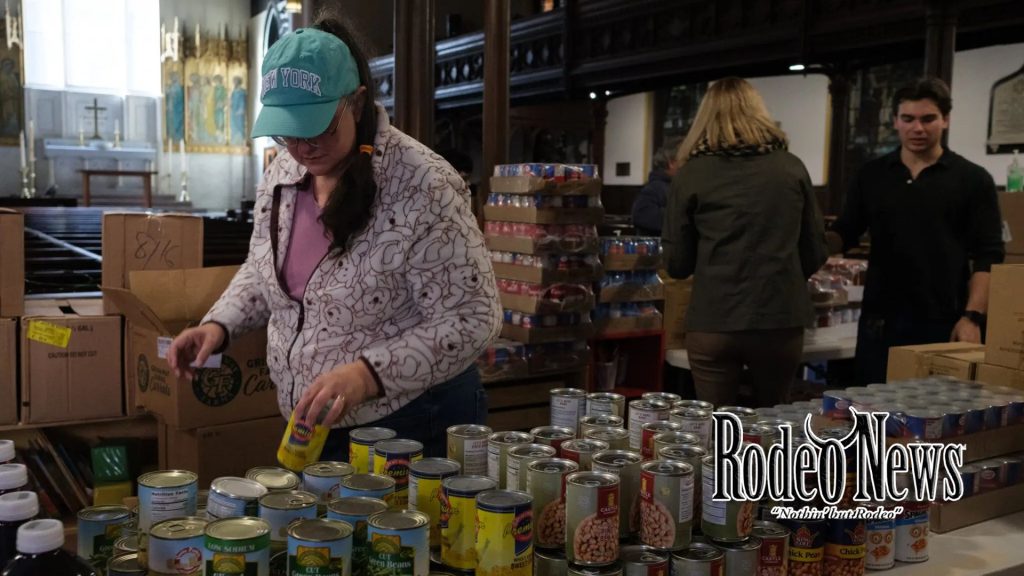
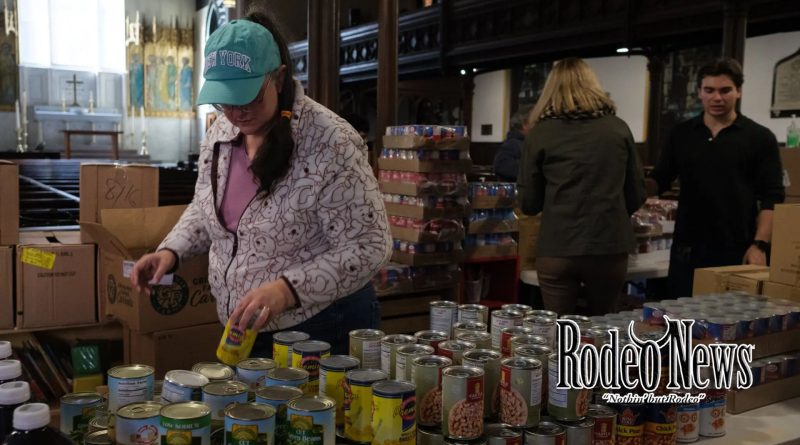
- The shutdown has led to uncertainty about whether benefits will be made in full, delayed, or reduced. States, food banks and nonprofits are scrambling.
- For vulnerable groups — children, seniors, people with disabilities — even short delays can lead to serious hardship.
- The case raises broader legal and political questions: How should emergency programs be funded during a shutdown? Can one federal fund be diverted to another? Where is the line between political gridlock and constitutional guarantees of assistance?
What Happens Next
- The First Circuit Court of Appeals will review the USDA’s appeal; a ruling is expected soon.
- Until then, states will need to decide whether to issue full payments (at risk of recoupment later) or wait for clearer guidance. Some states had already moved ahead with full payments before the stay. RODEO NEWS
- Food-aid organizations warn that continued uncertainty will lead to shortages, over-reliance on food pantries, and deepening hunger for already at-risk families.
Significance
This legal tussle marks a rare moment where fundamental anti-hunger policy intersects with government funding gridlock and the high court’s emergency powers. SNAP has long served as a lifeline for millions; its disruption in this way underscores how vulnerable even central social-safety-net programs can become in political crises.
Would you like a deeper dive into how different states are responding, or an explanation of how the funding mechanisms (like the contingency fund vs. child-nutrition account) work