Musk’s New Deal: A Decade-Long Commitment to Tesla
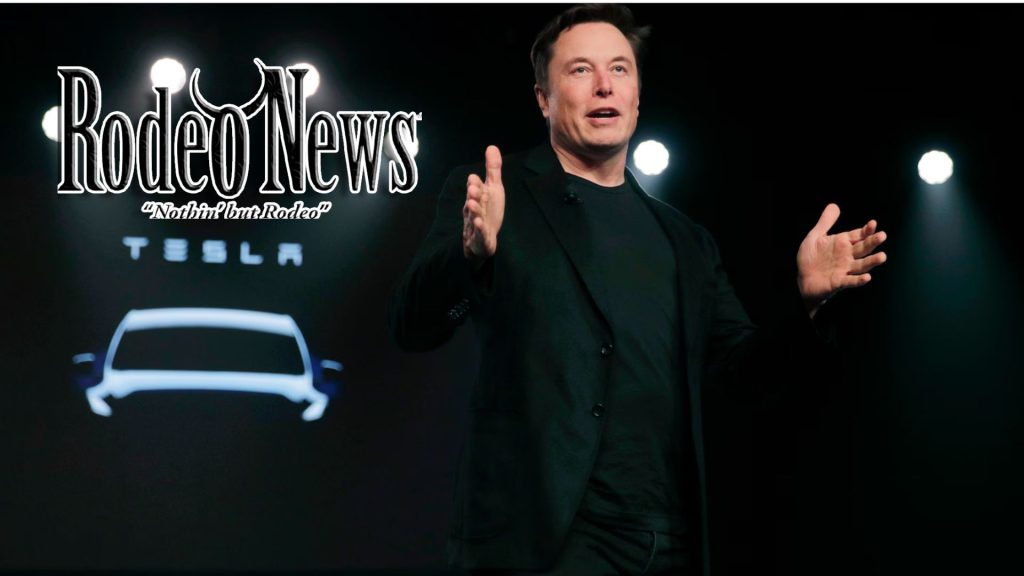
Tesla shareholders overwhelmingly approved a landmark compensation plan for Elon Musk, effectively tying his future to the company for the next ten years.
At its core, the plan establishes 12 performance-based tranches. Each tranche requires Tesla to stretch its market value and operational achievements — for example, hitting valuation increments of US$500 billion, delivering a set number of vehicles, and launching robotics and autonomous-vehicle initiatives.
While the headline figure — around $1 trillion — is staggering, that full payout hinges on Tesla achieving an ambitious target market cap of around US$8.5 trillion by the end of the decade.
Why Tesla and Its Board Went This Route
Tesla’s board frames the decision as a strategic investment in retaining Musk as the leader through a pivotal shift. The company is no longer just an electric-vehicle maker — it is positioning itself at the intersection of energy, software, autonomy and robotics. Musk himself outlined ambition around the humanoid robot “Optimus,” robotaxis and a broader “sustainable abundance” mission.
Supporters argue that Musk’s unique leadership and vision are key to executing on these bold frontier goals — and that losing his forward momentum could derail Tesla’s next chapter.
Critics and Governance Concerns
However, the deal has drawn substantial criticism:
- Some question whether the performance benchmarks are sufficiently concrete or whether significant discretion lies with the board to award the pay even if targets fall short.
- The size of the deal pushes executive compensation into previously unimaginable territory, raising broader questions about pay-for-performance, dilution of shareholders and governance standards.
- The timing comes as Tesla is facing headwinds: declining profits, increasing competition, and a more complex business model requiring execution across unfamiliar domains. The board’s bet is sizable.
What It Means Going Forward
For Tesla & Musk: If Tesla succeeds in hitting the milestones, Musk stands to significantly increase his stake and influence. If not, the upside collapses — making this a high-risk, high-reward alignment.
For the market and CEO pay norms: This deal may reset expectations for founder-led companies — especially those pivoting into new domains where long-term value creation is uncertain but potentially massive.
For investors: Shareholders backing this plan are essentially buying into a ten-year vision with a leader whose brand and actions remain polarising. The execution risk is real, and the governance levers will bear watching.
Final Thoughts
Elon Musk’s newly approved pay package at Tesla marks not just a compensation milestone — it signals a profound strategic shift. Tesla is betting big: that it can transform from electric vehicles into robotics, autonomy and AI-driven sustainable infrastructure. Whether this gamble succeeds will depend on execution. If it fails, the headline-making payout may end up being more symbolic than substantive.