Iran “Not in a Hurry” to Resume Nuclear Talks with US
Iran is making it clear: it will not rush back into negotiations with the United States over its nuclear programme.
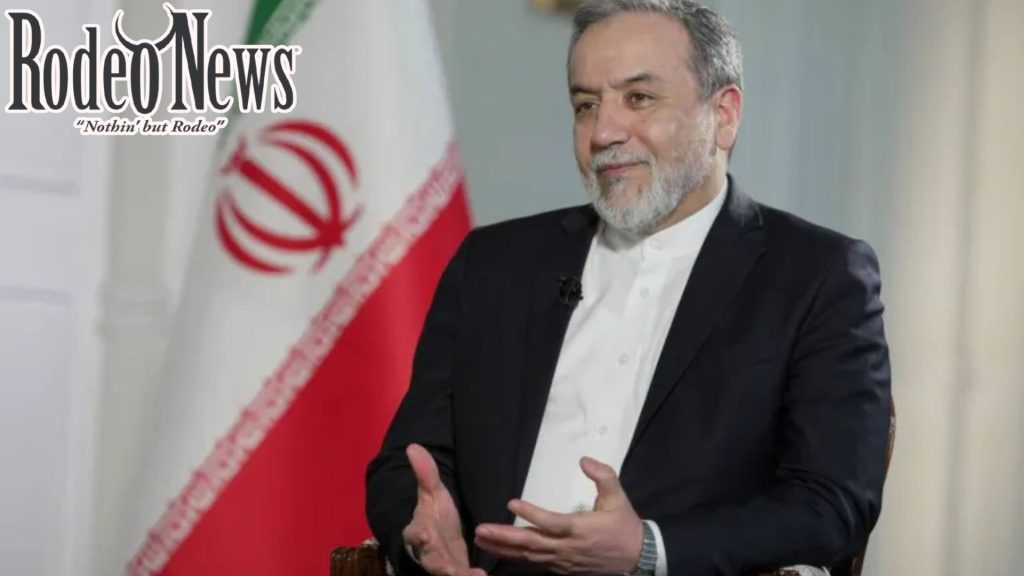
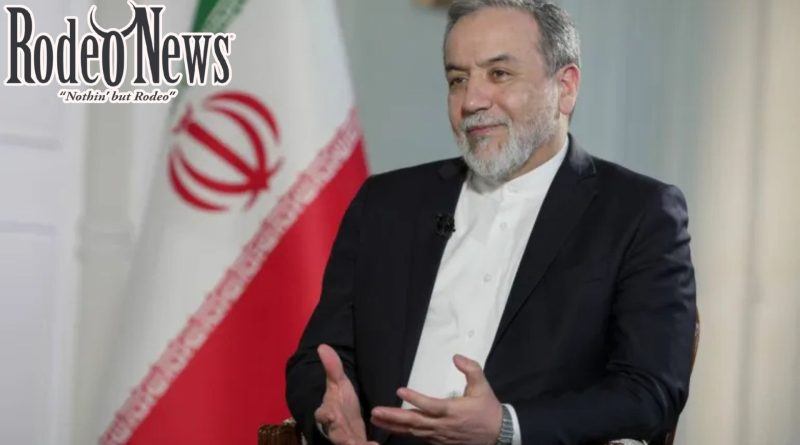
That firm stance comes from Iran’s Foreign Minister Abbas Araghchi, who told Al Jazeera Arabic that while Tehran remains open to indirect talks with Washington, those talks must be grounded in mutual respect and interest.
A Demand for Equality and Fairness
Araghchi emphasised that any engagement with the US must happen “from an equal position based on mutual interest.”
From Tehran’s perspective, the conditions proposed by Washington—such as direct talks, a halt to uranium enrichment, and limits on Iran’s missile capabilities and regional allies—are “illogical and unfair.”
Because of this, Iran is in no hurry to restart negotiations. “It appears they are not in a hurry,”
Regional Dynamics and Strategic Considerations
The timing of Iran’s remarks is meaningful. Despite the added pressure of re-imposed UN sanctions, Tehran appears confident in shifts in the regional landscape. Araghchi pointed to emerging views in the Gulf that identify Israel, rather than Iran, as the main source of instability.
For example, Oman’s foreign minister publicly stated that the Gulf Cooperation Council has long allowed Iran’s isolation and that view is changing.
The State of Iran’s Nuclear Programme
Araghchi also disclosed that nearly all of the roughly 400 kg of 60 percent-enriched uranium Iran had was “buried under the rubble” of its bombed nuclear facilities. He said Iran has no intention of removing or accounting for that material until conditions are right.
Iran’s comments on China and Russia were telling too: both have formally announced they do not recognise the resurgent UN sanctions re-imposed by European signatories of the 2015 deal.
Outlook: Steady but Not Moving Quickly
In short: Iran is signalling readiness to talk, but under its own terms and when the strategy suits it—rather than letting immediate economic or diplomatic pressures dictate the pace. For Washington and its allies, this means patience and recalibrated expectations may be key.
Why this matters:
It highlights a shift in Iran’s posture from urgency to strategic patience.
It complicates Western efforts to quickly restart meaningful dialogue or a new framework on Iran’s nuclear programme.
It underscores evolving power balances and perceptions of instability in the Middle East.