The End of an Era: The Historic Demise of the White House East Wing
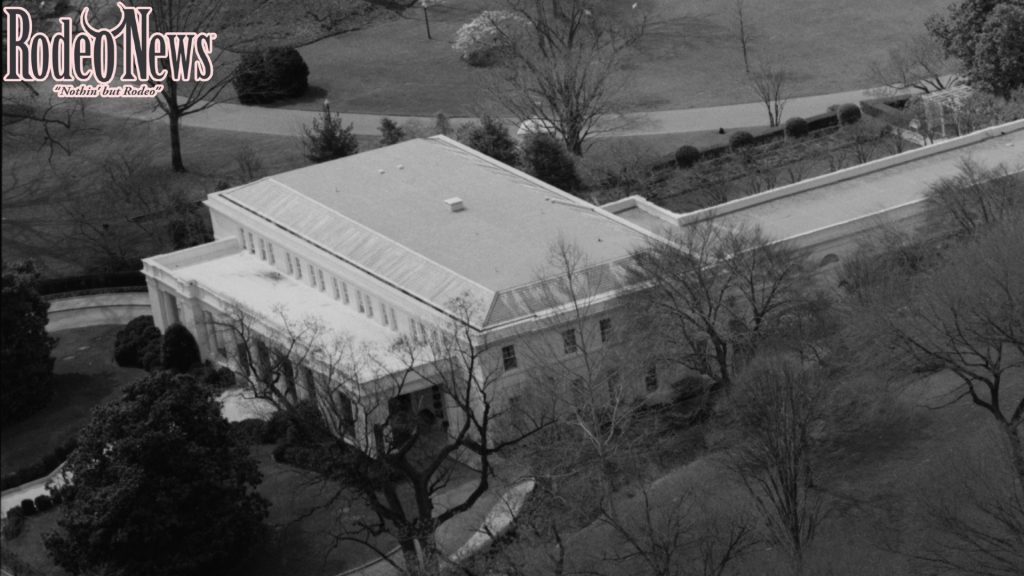
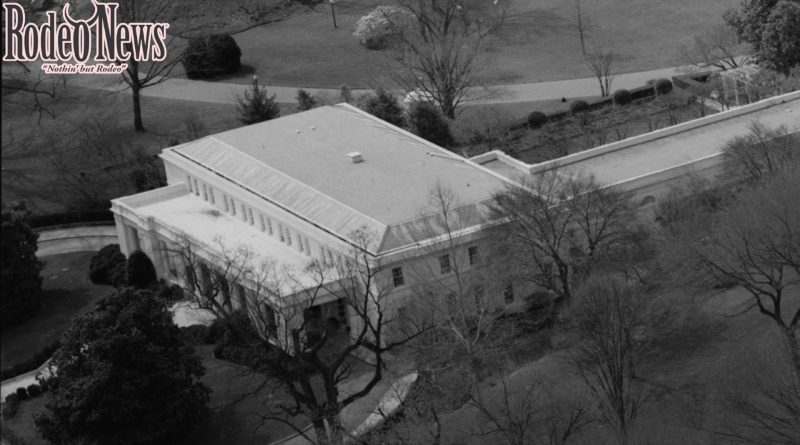
The latest chapter in the life of the White House is one of sweeping change. The historic East Wing, long a fixture of the executive residence, has been torn down to make way for a new 90,000-square-foot ballroom.
Origins and Role of the East Wing
The East Wing was first added in 1902 during Theodore Roosevelt’s major renovation of the White House. It originally served as a cloakroom entrance and carriage wing for visitors and formal events.
In 1942, under Franklin D. Roosevelt’s presidency, the East Wing was significantly expanded. That expansion included building the two-story wing and adding the underground Presidential Emergency Operations Center (PEOC) beneath it, constructed in wartime as a secure command centerigraphy staffs, and became the main entry point for public tours of the residence.
What the East Wing Meant
While the West Wing is often seen as the center of operations and policy, the East Wing held a quieter but no less important role: the social heart of the White House. As one author put it: “If the West Wing is the mind of the nation, then the East Wing is the heart.”
It hosted family movie screenings in its theatre, welcomed school tours and dignitaries, and served as the domain of the First Lady — a symbolic and functional space rarely in the spotlight but rich in history.
The Demolition and New Ballroom Project
In October 2025, demolition crews began tearing down large portions of the East Wing — including the colonnade connecting it to the residence. Satellite imagery confirmed the full clearance of the structure.
The move is part of a project spearheaded by Donald Trump to construct a grand new ballroom — reportedly 90,000 square feet and able to seat up to 1,000 guests — to replace the current largest formal event space in the White House, the East Room (which seats around 200).
Cost estimates vary, but the project is pegged at approximately $300 million, financed through private donors, and is described by the administration as “a modernization” of the site
Why It Matters & What’s Lost
The demolition of the East Wing signals more than a construction update — it marks the removal of one of the rare spaces in the White House that bridged public tours, family life, and the social functions of the presidency. Preservationists have warned that this scale of change is unprecedented
Critics point out that historic fabric, architectural context, and the traditional entry experience for visitors are at risk. The National Trust for Historic Preservation formally asked for a pause in demolition until proper review processes were completed.
On the other hand, proponents argue that the White House must constantly adapt to host state events, diplomatic gatherings and ever-larger functions. The new ballroom is presented as a practical upgrade.
The Future of the East Site
What replaces the East Wing is still unfolding. The administration says the ballroom will reflect the architectural traditions of the White House (neoclassical style, tall windows, gold-leaf accents) even as it expands the footprint.
The functions that the East Wing housed — first lady offices, visitor entry, tours and social spaces — will need to be relocated or integrated into the new design. The historic movie theatre and colonnade are gone, and their roles will likely change significantly
Closing Thoughts
The memory of the East Wing will live on in photographs, personal recollections and the countless tours that passed through its doors. But its demolition underscores how even America’s most iconic building is not immune to reinvention.
As the new ballroom rises, questions remain: will the scale and style of the addition harmonize with the existing residence? Will the public experience through tours and visits change? And will the symbolic “heart” of the White House still beat as strongly in its altered form?