Trump Oversees Historic Cambodia-Thailand Ceasefire Signing During Asia Tour
In a pivotal moment for Southeast Asia, U.S. President Donald Trump presided over the signing of an enhanced ceasefire agreement between Thailand and Cambodia on October 2025. The signing ceremony, held at the annual ASEAN summit in Kuala Lumpur, marked a significant step in the diplomatic relations between the two nations, following months of tension and deadly border clashes. This landmark agreement, which includes the release of 18 Cambodian soldiers and the removal of heavy weapons from the border, is a direct result of Trump’s leadership and his earlier diplomatic efforts in the region.
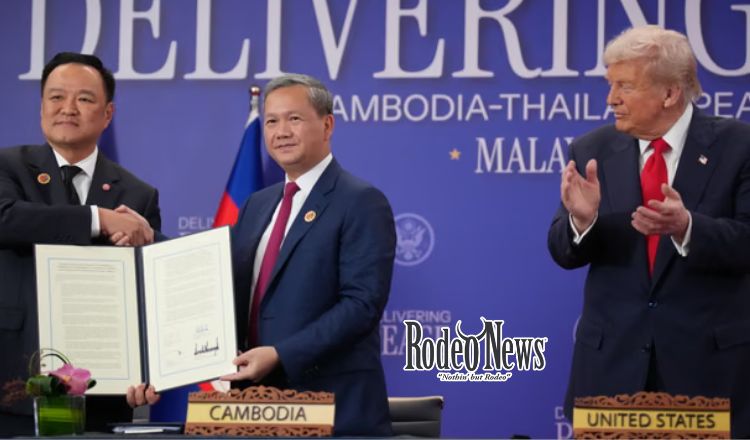
The agreement, witnessed by U.S. President Trump, was signed by Cambodian Prime Minister Samdech Moha Borvor Thipadei Hun Manet and Thai Prime Minister Anutin Charnvirakul, officially bringing an end to the five-day conflict that had escalated in the region in July. This ceasefire agreement is not only a triumph of diplomacy but also a clear indication of the growing influence of the U.S. in fostering peace and stability in Southeast Asia.
A Long-Awaited Ceasefire Agreement
The signing of the enhanced ceasefire comes three months after Trump intervened to broker a temporary truce between Cambodia and Thailand. The earlier ceasefire agreement was facilitated after a sharp escalation in violence between the two nations, which had raised concerns about regional security and economic disruptions.
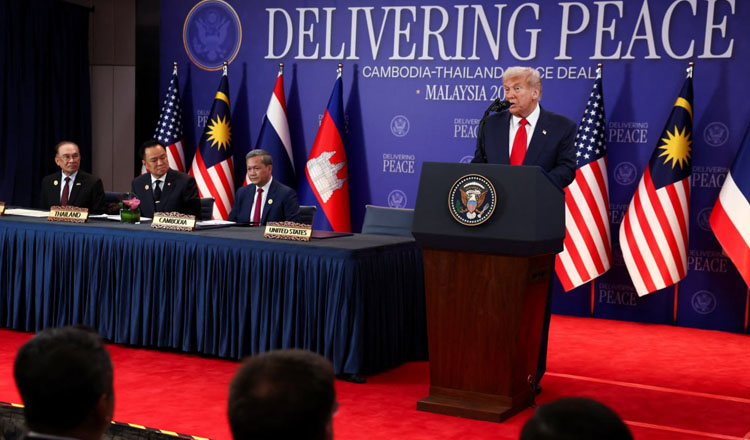
At the time, Trump made it clear that the U.S. would not stand idle in the face of such conflict and urged both nations to resolve their differences, threatening to put bilateral trade talks on hold if hostilities continued. In the wake of these intense diplomatic exchanges, the ceasefire agreement was reached, but the signing ceremony in October formalized the terms of a long-term peace settlement, including key provisions for the demilitarization of the border region.
Key Provisions of the Enhanced Ceasefire
The newly signed agreement includes several key components that are expected to stabilize the region:
- Release of 18 Cambodian Soldiers: Thailand has agreed to release the 18 Cambodian soldiers who were detained during the July clashes, a significant humanitarian gesture that marks a step toward restoring trust between the two countries.
- Demilitarization of the Border: Both countries have agreed to begin removing heavy weapons from the border area, reducing the risk of further military escalation. This move is seen as a critical measure in building long-term peace and cooperation.
- Ongoing Dialogue and Monitoring: The two countries will establish a joint monitoring committee to ensure the ceasefire is upheld, with regular consultations to address any future tensions or disputes.
The agreement is seen as a direct result of Trump’s diplomatic efforts, highlighting his administration’s role in leveraging U.S. influence to resolve conflicts in key regions. By facilitating the ceasefire, Trump has once again demonstrated his commitment to global peacekeeping, particularly in Southeast Asia.
Trump’s Asia Tour and Diplomatic Initiatives
The signing ceremony took place shortly after President Trump arrived in Malaysia for his five-day trip to the region, which also includes stops in Japan and South Korea. This marks Trump’s first visit to Asia since taking office in January. The trip is widely seen as an effort to bolster trade relations, strengthen alliances, and address ongoing geopolitical challenges in the region.
In addition to overseeing the Cambodia-Thailand ceasefire signing, Trump is expected to sign a reciprocal trade agreement with Cambodia and an agreement with Thailand concerning critical minerals. These agreements reflect Trump’s broader strategy of securing favorable trade terms and advancing American economic interests in Asia.
Trump’s diplomatic efforts during his Asia tour have garnered significant attention, particularly his high-stakes trade talks with China’s President Xi Jinping, which are scheduled for the final day of his trip. This meeting is expected to play a major role in shaping the future of U.S.-China relations.
Escalating Tensions with Canada
While his Asia tour focuses on diplomacy and trade, Trump’s arrival in Malaysia comes on the heels of a tense trade dispute with Canada. On the eve of his departure, Trump announced a 10% tariff increase on Canadian goods in response to an anti-tariff advertisement funded by the Ontario government. This decision has strained U.S.-Canada relations, and Trump has made it clear that he has no intention of meeting with Canadian Prime Minister Mark Carney at the ASEAN summit, despite both leaders attending the event.
This diplomatic snub underscores the growing tensions in global trade relations, with Trump focusing on reshaping U.S. trade deals to reflect American interests. The impact of this move on U.S.-Canada relations will likely be a subject of discussion during the ASEAN summit.
A Pivotal Moment for Southeast Asia
The Cambodia-Thailand ceasefire agreement is a significant diplomatic win for all parties involved. For Cambodia and Thailand, it represents a fresh start in their bilateral relations, with the potential to unlock new opportunities for cooperation, especially in trade and security.
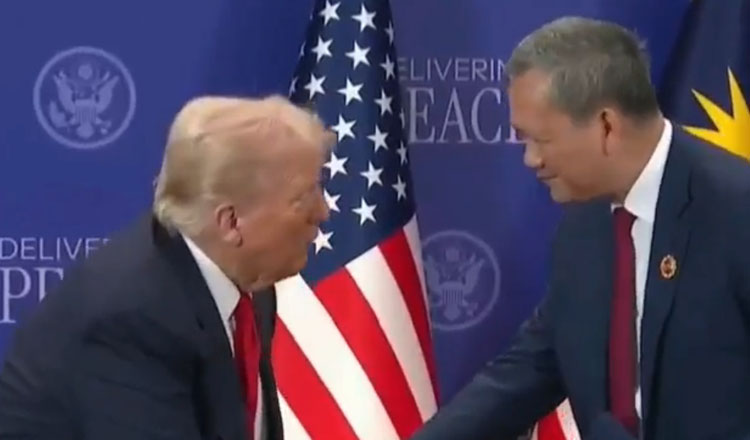
For the United States, this successful intervention underscores Trump’s ongoing role as a global peace broker and strategic partner in Southeast Asia. The agreement is also a key achievement for ASEAN, demonstrating the regional bloc’s ability to handle complex conflicts and maintain stability.
As President Trump continues his Asia tour, his diplomatic actions in Southeast Asia will likely have far-reaching consequences, not only for U.S.-Southeast Asia relations but also for broader global security dynamics.