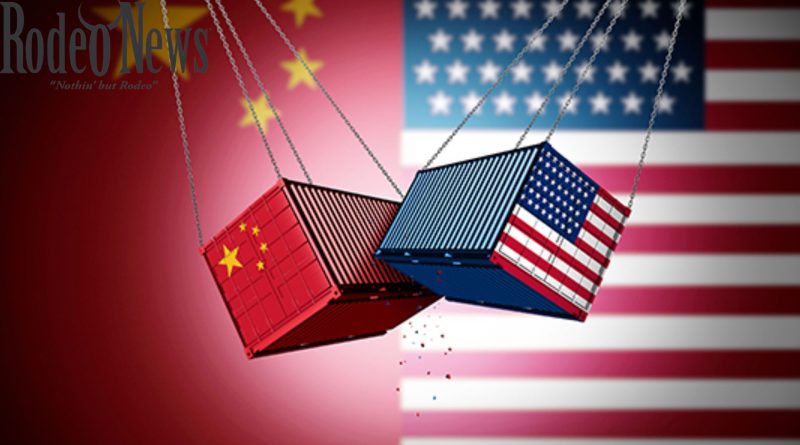
Further reading on U.S.–China trade tensions
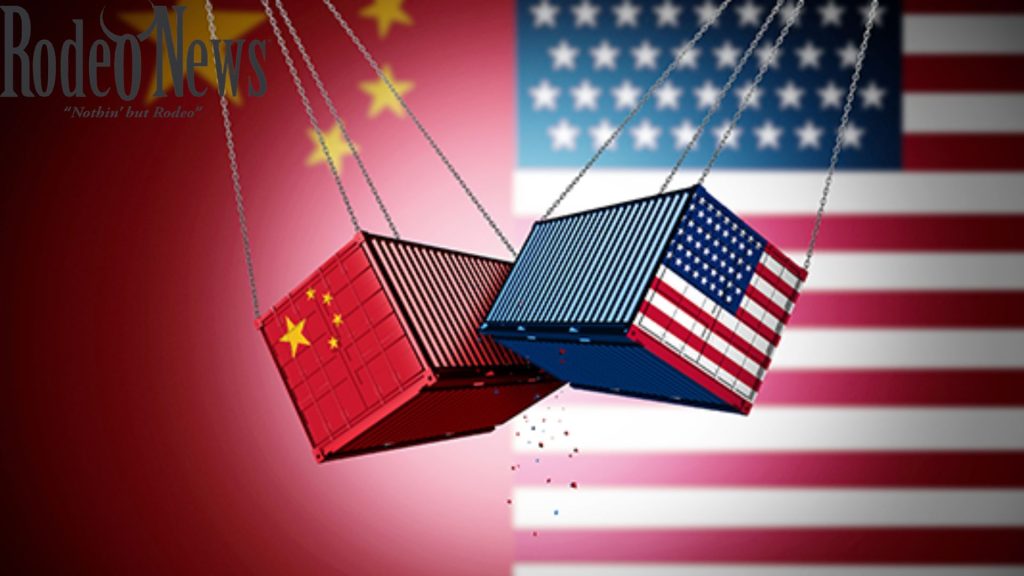
The Office of the United States Trade Representative (USTR) announced on Friday that it is initiating a formal investigation into whether China fulfilled its commitments under the 2020 “Phase One” trade deal signed during President Donald Trump’s first term
What the Investigation Covers
The probe will be conducted under Section 301 of the Trade Act of 1974, which allows the U.S. government to examine foreign trade practices that may harm American interests. China
Key areas of scrutiny include:
- Whether China met its pledged purchase of U.S. goods and services under the Phase One agreement. China
- Progress on structural reforms such as intellectual property protection, forced technology transfers, agriculture and financial services access. RODEO NEWS
One independent analysis from the Peterson Institute for International Economics estimated that China achieved only around 58 % of its purchase commitments under the deal. RODEO NEWS
Timing & Geopolitical Context
The timing of the investigation is notable: it was announced just as Trump prepares to travel to Asia and potentially meet with Chinese President Xi Jinping. RODEO NEWS
The move appears to reflect a strategy of adding pressure on Beijing ahead of high-level talks and to secure new leverage in trade negotiations.RODEO NEWS
Potential Implications
- Tariff escalation: If the investigation finds that China violated its commitments, the U.S. may impose additional tariffs on Chinese imports. Existing duties range around 55 % on some goods. Reuters+1
- Impact on agriculture: Much of the Phase One deal centered on Chinese purchases of U.S. farm goods (e.g., soybeans). Reduced Chinese buying has already affected American farmers. AP News+1
- Broader trade relations: The investigation signals a tougher U.S. posture toward China and may complicate other negotiations—on rare-earths, technology, export controls, and more. Reuters+1
Looking Ahead
A public comment period will open for the investigation on October 31, with a public hearing scheduled for December 16, 2025.
Observers will watch for:
- How China responds diplomatically and whether it agrees to meet with Trump during his trip to Asia.
- Whether new tariffs or trade-measures emerge as a result of the findings.
- How U.S. farm sectors and export markets react to any further escalation in the trade dispute.
In sum, the U.S. decision to investigate China’s compliance with the 2020 trade deal highlights the fragile state of U.S.–China trade relations. With the probe coinciding with Trump’s Asia-trip and potential summit with Xi, Washington is sending a clear message: past deals must be honored, and future trade concessions will be tied to enforcement and leverage.