The East Wing Falls: Inside Trump’s Bold Remodel of the White House
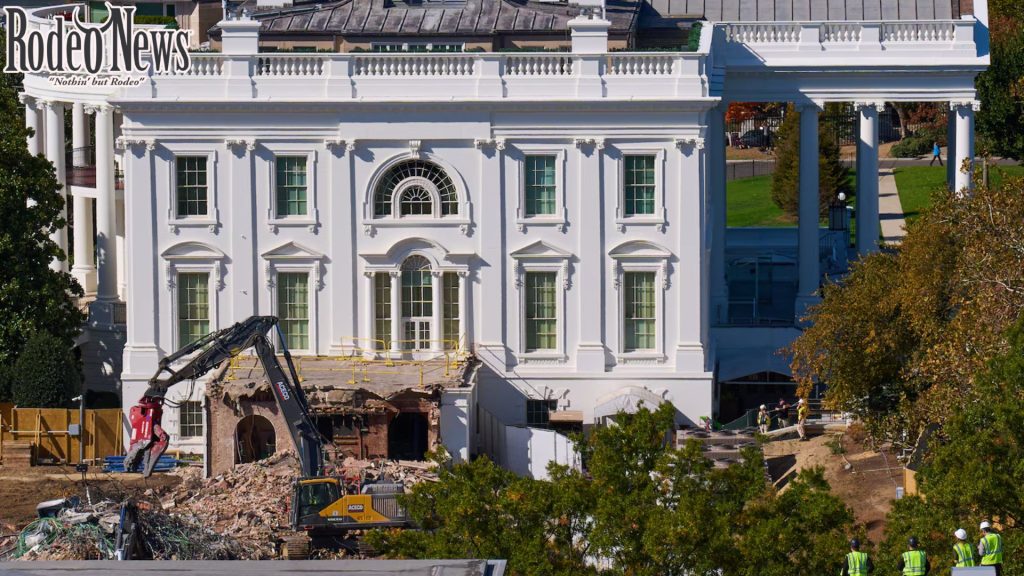
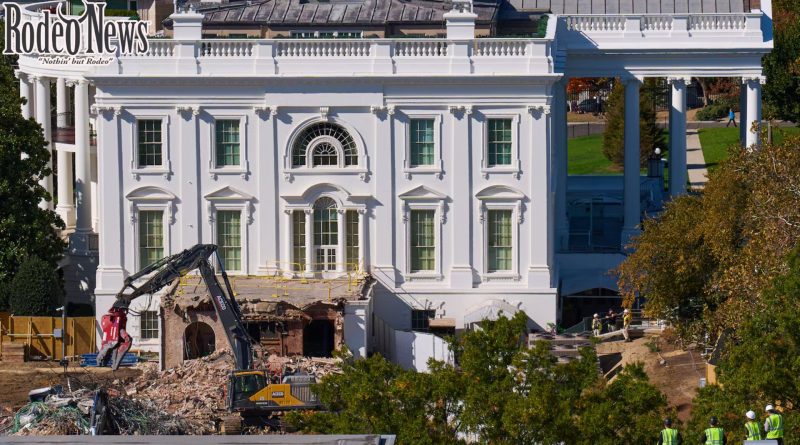
The historic annex of the White House known as the East Wing has been completely demolished, as of October 23, 2025, to make way for a substantial new undertaking — a 90,000-square-foot ballroom commissioned by President Donald Trump.
Crews moved swiftly, bringing down the structure within just a few days of starting the work.
The demolition has stirred a mix of admiration for the ambition and concern among historians and preservationists who say this wing was part of the fabric of White House history.
What’s Being Built
According to the White House’s own presentation, the plan is to replace the East Wing with:
A grand ballroom, capable — per revised figures — of accommodating nearly 1,000 guests, up from the original estimate of around 650.
Offices for the First Lady and her staff, as well as new “guest suites” intended for White House visitors.
The Washington Post
A glass-bridge connection to the main residence. President Trump mentioned this as part of the updated plan.
Originally the project was pitched as a “modernisation” of the East Wing, but the course changed to full demolition when architects and contractors reportedly advised that a rebuild was necessary.
Cost, Funding & Transparency
Initially, the price tag was announced around $200 million, but that figure has since risen to roughly $300 million.
President Trump said private donors have contributed approximately $350 million, and he’s pledged to cover any gaps himself.
Donors listed include major corporations such as Apple Inc., Amazon.com, Inc., Google LLC and Palantir Technologies, and individuals like Stephen A. Schwarzman and Tyler Winklevoss and Cameron Winklevoss.
The Washington Post
The White House spokesperson defended the process as transparent, stating that changes in the project plan were necessary for “a truly strong and stable structure.”
Historic Significance and Preservation Concerns
The East Wing traces its origins to President Theodore Roosevelt’s 1902 addition, and later modifications during the Franklin D. Roosevelt era in 1942.
The Washington Post
Inside it housed the movie theatre and the First Lady’s offices; it also served as the public entrance to the White House for millions of visitors.
Historic preservation experts say the wing was more than bricks and mortar — it carried symbolic weight as part of the “People’s House.” One former National Park Service liaison reflected:
“You feel the presence of the presidents and first ladies who have gone through there and lived throughout history.”
Critics argue that the decision bypassed community engagement, historical review, and broader public input. A recent poll by YouGov found that 53 % of Americans opposed the demolition, with only 23 % in support.
Political & Legal Tensions
Members of Congress expressed concern. For example, Rep. Chellie Pingree (D-Maine) called for greater oversight and preservation of the public’s stake in the White House’s structure.
The administration argues the project is legally sound because the White House grounds appear exempt from certain federal review processes. Nonetheless, critics say the administration missed a chance to bring stakeholders along and build consensus.
Why It Matters
The White House is not merely a residence — it is a national symbol. Changing its structure carries cultural, historic and political weight.
The speed and secrecy of the demolition raise questions about transparency, precedent and the role of public oversight.
The project underlines a broader trend: the intersection of private funding and public heritage, especially when major corporations are involved.
It places the President’s legacy in a new light: how he reshapes physical symbols of the Presidency may reflect how he views the office and its history.
What Comes Next
In the months ahead, keep an eye on:
Design plans and renderings of the new ballroom and guest suites — how they respect or depart from existing historical architecture.
Cost and funding disclosures — whether private contributions hold up, and how shortfalls are handled.
Preservationist or legal challenges — especially if public access or historic designation is affected.
Public reactions and the evolving narrative — whether Americans view this as a bold modernization or a loss of heritage.